

NEWS

Businesses now need to reach more people than those who can attend an event in person. A professional livestream service makes this possible by bringing the event to remote viewers through a stable video stream, clear audio and well-managed production.
This article explains what event livestreaming includes, when businesses should use it and what to consider when choosing a professional livestream provider in Vietnam.
A professional livestream service is a technical solution that captures an event on-site and broadcasts it online in real time.
A professional livestream team handles the full technical setup, including cameras, microphones, lighting, video switching, internet connection and streaming software. The crew also monitors the broadcast throughout the event to keep the image and sound stable.
Depending on the event format, the livestream may be broadcast to platforms such as YouTube, Facebook or a private online platform. The production team can also add presentation slides, speaker names, company logos, videos and other visual elements to make the broadcast easier to follow.
For businesses, the goal is to deliver the same key content to both on-site and online audiences. This requires careful planning before the event and active technical control during the broadcast.
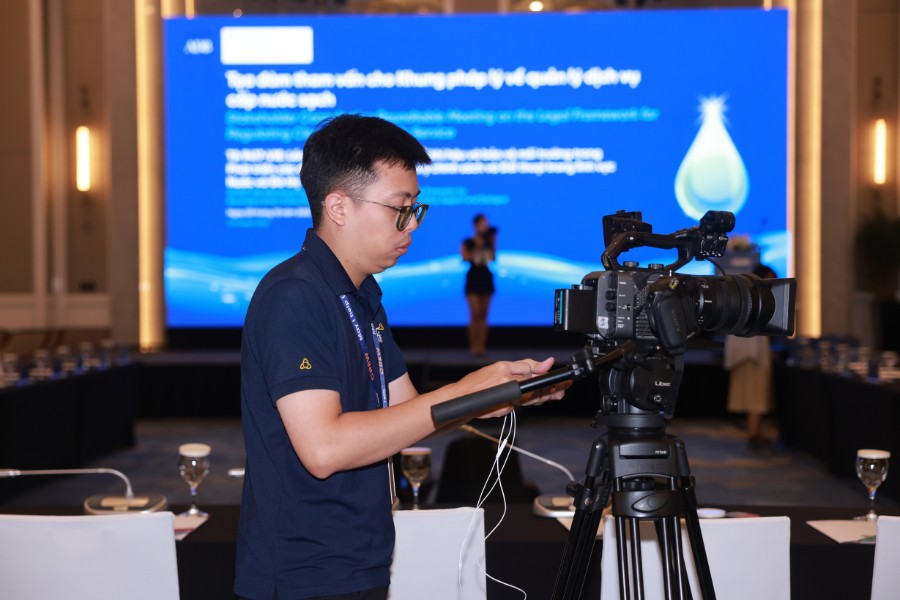
Not every event needs livestreaming. The service becomes particularly useful when a business needs to reach people who cannot attend the event in person or wants to make the event available to a larger audience.
For conferences and seminars, livestreaming allows remote participants to follow presentations, speeches and discussions without travelling to the venue. This can be useful when the event involves guests from different cities or countries.
Corporate events may also benefit from livestreaming when the company wants employees, partners or customers in other locations to join important announcements. A product launch, corporate celebration or business update can reach a wider audience without increasing the capacity of the physical venue.
For an annual general meeting, livestreaming can support remote participation when the event format and applicable requirements allow it. These events also require careful handling of audio, presentations and speaker information because viewers need to follow formal proceedings clearly.
Livestreaming is also a practical option for hybrid events. Instead of treating the online audience as an afterthought, businesses can plan the broadcast as part of the event from the beginning. This helps create a more consistent experience for people joining from the venue and from remote locations.
The technical setup should match the content, audience and format of each event. A conference may require multiple camera angles for speakers and presentations, while a hybrid event needs additional solutions for connecting remote participants.
Conference and seminar livestreaming focuses on making presentations, keynote speeches and expert discussions easy to follow online. Multiple cameras can be used to capture the speaker, stage and audience, while a video switcher helps the production team change between different views during the program.
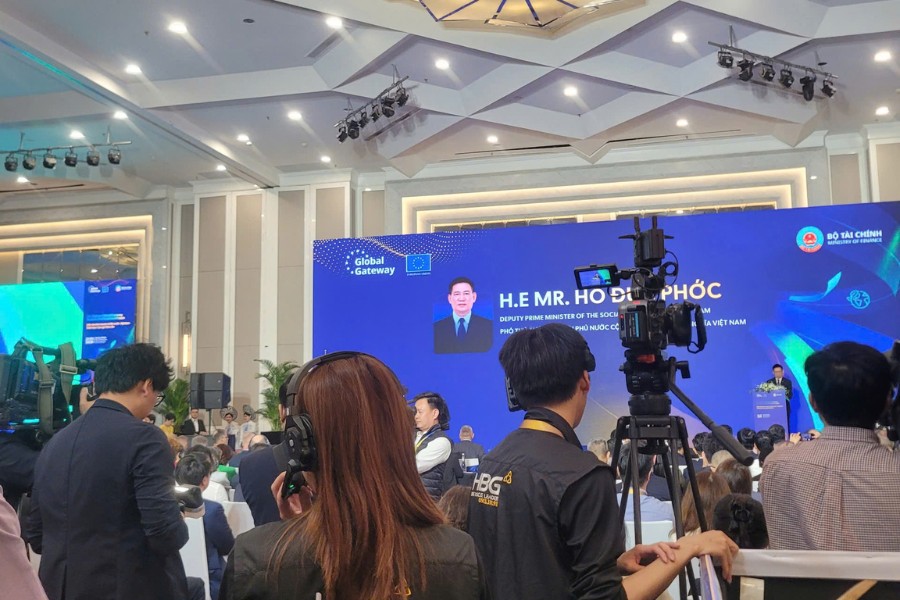
Grand opening and corporate event livestreaming is designed to capture key moments while presenting the company's brand professionally.
Camera positions need to cover important moments without blocking guests or disrupting the event. The production team can also include company logos, event titles and other branded graphics in the livestream.
Annual general meeting livestreaming requires a more controlled production approach because the audience needs to clearly hear and see formal presentations, reports and discussions.
The livestream setup should provide stable audio for the chairperson, board members and other speakers. Cameras should cover the main speaking positions, while presentation slides and relevant documents can be displayed when needed.
These events require careful camera and audio coordination because several people may speak throughout the session. A typical setup can include separate camera angles for the host, individual speakers and the wider panel.
Graphics such as speaker names, company information or discussion topics can be added to help online viewers understand who is speaking. For longer discussions, changing camera angles at the right moments also makes the livestream more engaging to watch.
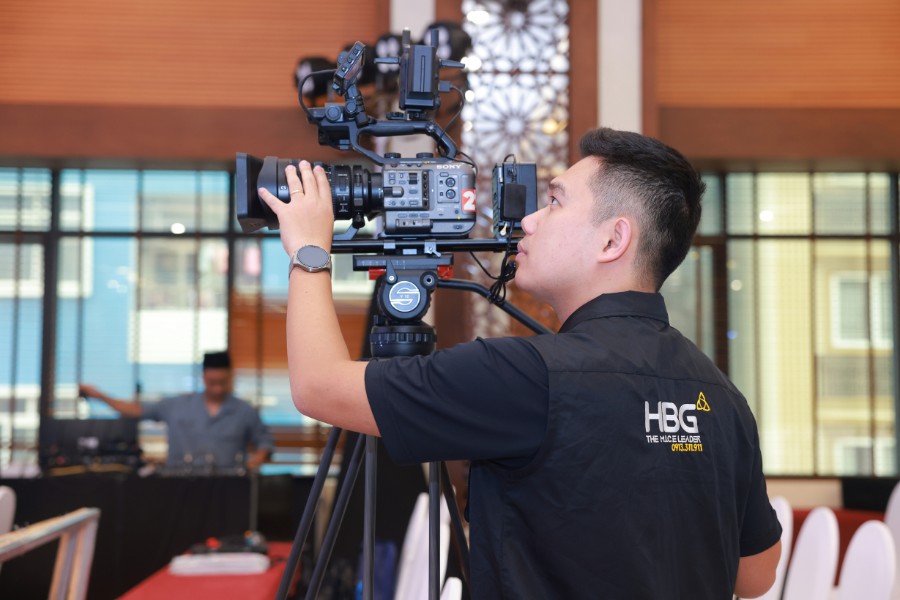
Hybrid event livestreaming connects the physical venue with people joining remotely. Unlike a standard livestream, the production team needs to manage communication in both directions.
The setup may include cameras and microphones at the venue, presentation sharing, online meeting platforms and screens for remote speakers or participants. The team must make sure that people in the room can hear online participants and that remote viewers can clearly follow what is happening on stage.
A professional event livestream needs more than a camera and an internet connection. Event Crew provides the technical setup and on-site production needed to deliver a stable, clear and professional livestream throughout the event.
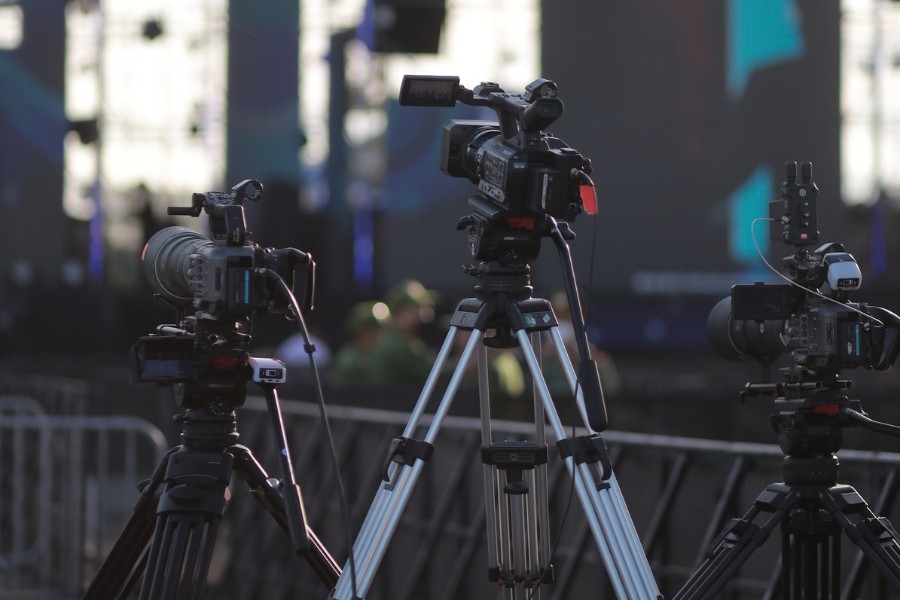
Event Crew uses multiple cameras to capture different parts of the event from suitable angles. Depending on the program, the production team can cover the main stage, speakers, audience activities, product demonstrations or other important moments.
Multiple camera angles also give the livestream team more flexibility during the broadcast. The director can switch between wide shots and close-ups based on what is happening on stage, helping online viewers follow the program more naturally.
The camera setup is planned according to the venue, stage layout and event schedule. This helps the team capture key moments without interfering with the activities at the venue.
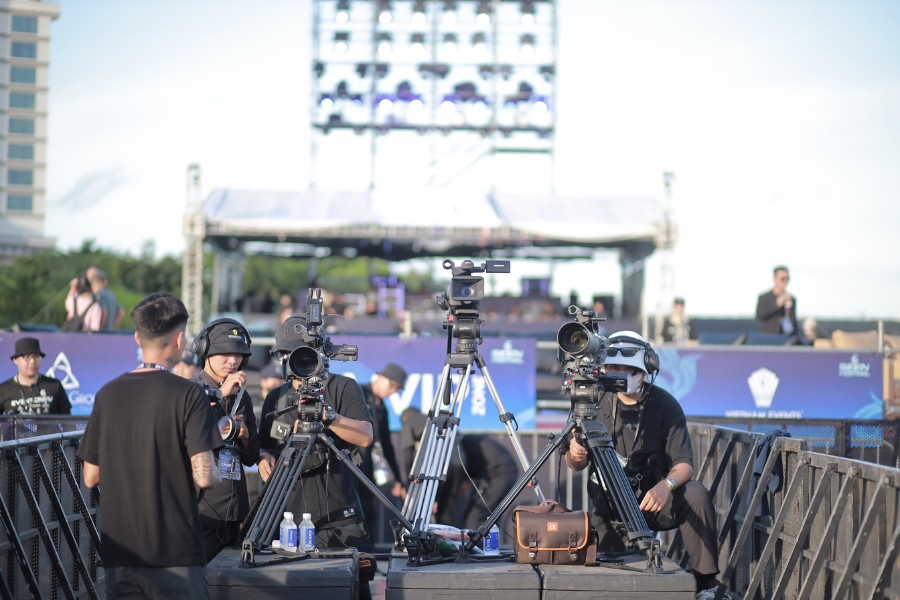
Event Crew can stream an event to suitable online platforms based on the client's audience and communication plan. The broadcast can be connected to platforms such as YouTube, Facebook or other streaming channels.
The team prepares the streaming setup before the event and checks the connection between the on-site production system and the selected platforms. Branded graphics, presentation slides, speaker names and other visual elements can also be integrated into the livestream when required.
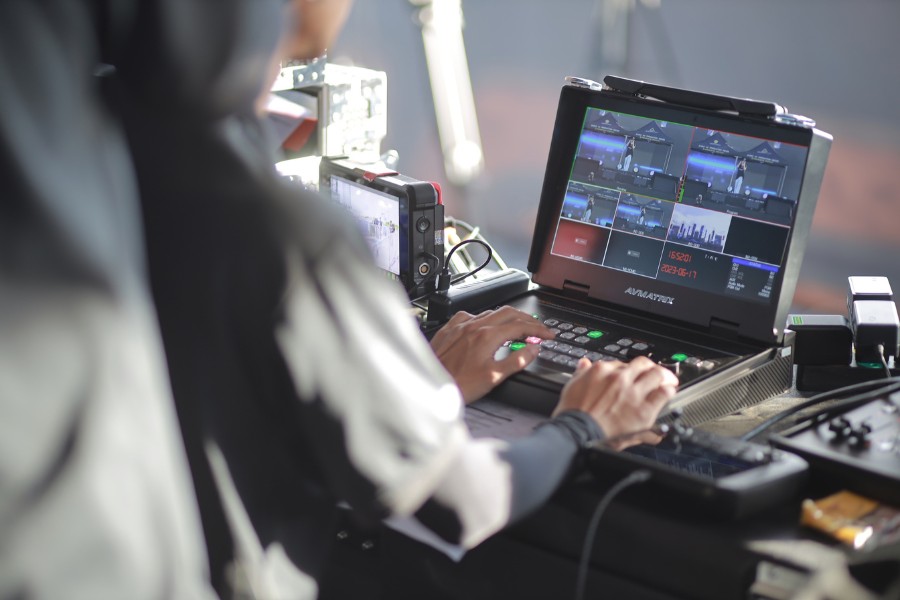
A professional livestream needs continuous technical control while the event is running. Event Crew provides an on-site crew to operate cameras, manage the video feed, monitor audio and oversee the livestream throughout the program.
The team checks the broadcast in real time so technical issues can be identified and handled as quickly as possible. Camera feeds, audio levels, internet connection and the streaming output are monitored during the event rather than being left unattended after the broadcast starts.
This service is part of Event Crew's wider event production capability. With long-term experience in event organization, a skilled technical crew and the ability to coordinate different event production requirements, Event Crew can provide livestreaming as part of a complete event solution rather than as a standalone technical service.
Livestreaming can extend an event beyond the physical venue. Instead of limiting the audience to people who can travel to the location, businesses can allow remote viewers to follow the program in real time.
Professional production also helps maintain consistent video and audio quality. Poor sound, unstable footage or an interrupted broadcast can make it difficult for online viewers to follow the event, especially during conferences, formal meetings and business presentations.
Livestreaming depends on several elements working together, including cameras, microphones, video switching, internet connection and the streaming platform. An experienced technical team can prepare these elements in advance and monitor them throughout the event.
For businesses, this means the event organizer does not have to manage livestream equipment while also handling speakers, guests, schedules and other production tasks. The livestream team takes responsibility for the technical side so the organizer can focus on the event itself.
Event Crew starts by reviewing the event format, venue, program, expected online audience and streaming platforms. The team also identifies the important moments that need to be captured during the broadcast.
Based on the event requirements, the technical team develops a suitable camera plan, audio setup, equipment list and streaming configuration. Camera positions and technical requirements are coordinated with the event layout and program schedule.
Before the event begins, the crew checks the cameras, microphones, video signals, internet connection and streaming platform. This stage helps identify technical problems before the livestream goes live.
During the event, the technical crew operates the cameras and switches between video sources according to the program. The team also monitors audio, video quality and the live broadcast to maintain a stable viewing experience.
After the event, Event Crew completes the agreed livestream deliverables and supports the client with the recorded content when included in the service package. The process can be adjusted according to the client's event and content requirements.
A professional livestream service helps businesses bring their events to audiences beyond the venue while maintaining clear video, reliable audio and consistent technical quality. Choosing an experienced production team is particularly important when livestreaming is a key part of a conference, corporate event, AGM, talkshow or hybrid event.
With long-term experience in event organization, skilled technical staff and the ability to provide comprehensive event solutions, Event Crew can handle livestream production as part of a wider event setup. From technical planning and equipment preparation to on-site operation and monitoring, the team works to keep the livestream running smoothly while the organizer focuses on delivering the event.