
NEWS

Planning a product launch but not sure where to start? This guide explains the key steps to help you organize a successful product launch event, from choosing the right launch format to managing the venue, production, and event crew. Let’s dive in!
A product launch is the process of introducing a new product or service to the market for the first time. A product launch event is a live event designed to present a product to a target audience, demonstrate how it works, and generate interest in the launch. The event can be held for customers, business partners, distributors, media, influencers, or other important guests.
For businesses, a product launch event is more than a product presentation. It creates a direct opportunity to:
The purpose of the event should guide every major decision, from the guest list and venue to the event format and product presentation. A launch for a new consumer product may need a very different approach from a launch for a B2B product or technology solution.
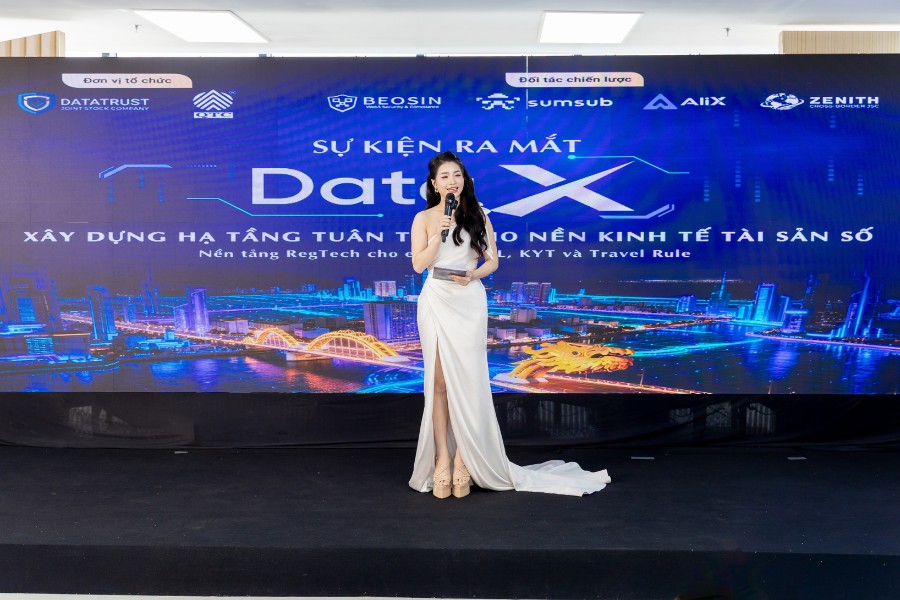
Not every product needs a large launch event. The right format depends on your product, target audience, launch goals, and available resources.
A soft launch introduces a product to a small, select audience before a wider launch. The main purpose is to collect real feedback, test the customer experience, and find problems before reaching a larger market.
This format is suitable when you are launching a new product that still needs testing or when you want to work with a small group of early users, partners, or customers first.
A minimal launch is a simple and focused launch with fewer activities and a smaller production scale. It can be a practical choice when the product is already well prepared but the company does not need a large public event.
Choose this format when your main goal is to introduce the product clearly to a specific audience while keeping the event simple and controlled.

A full-scale product launch is designed for a wider audience and usually involves more event production, branding, media, entertainment, product experiences, and technical elements.
This format is suitable when the launch is an important brand milestone and the company wants to create strong public attention around the product. Depending on the product and audience, the event may include a product reveal, live demonstration, stage production, media activities, guest experiences, and digital content.
Event Crew provides product launch support in Vietnam, from event planning and production to on-site execution. The team works with clients to turn the product and brand message into a clear event concept, then coordinates the people, equipment, and technical elements needed for the launch.
Established in 2008, Event Crew has experience supporting product launches, corporate events, conferences, exhibitions, and experiential marketing projects. Its team includes experienced event professionals as well as technical specialists for areas such as sound and LED systems.
Depending on your launch requirements, Event Crew can support:
For international clients, having one local event partner can also make communication and on-site coordination easier. Event Crew has teams and event networks in major locations in Vietnam, including Hanoi, Da Nang, and Ho Chi Minh City.
Explore some product launch events organized and supported by Event Crew in Vietnam:
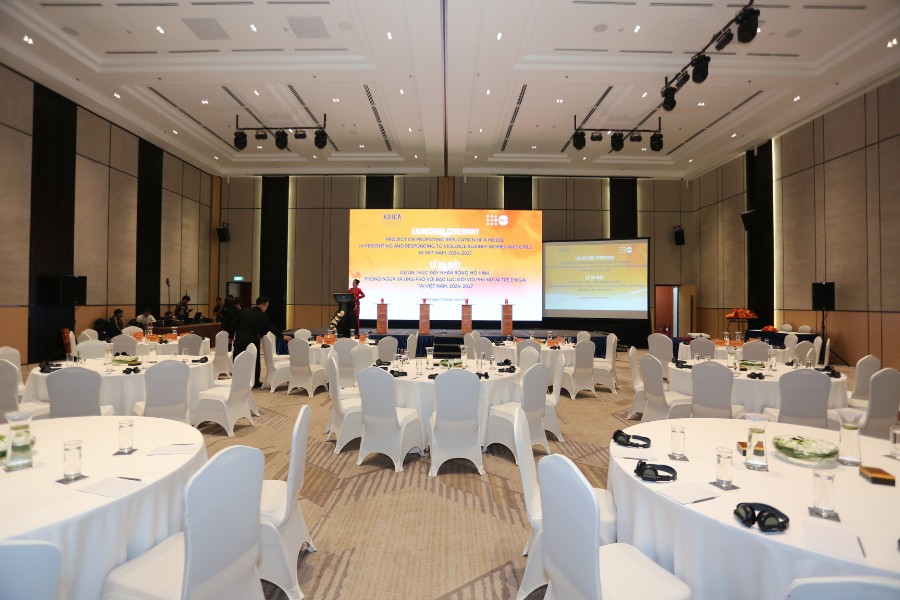
Lễ ra mắt Dự án thúc đẩy nhân rộng mô hình phòng ngừa và ứng phó với bạo lực đối với Phụ nữ và Trẻ em giá tại Việt Nam, 2024 - 2027
Launching Ceremony project on promoting replication of a model in preventing and responding to violence against women and girls in Viet Nam, 2024 - 2027
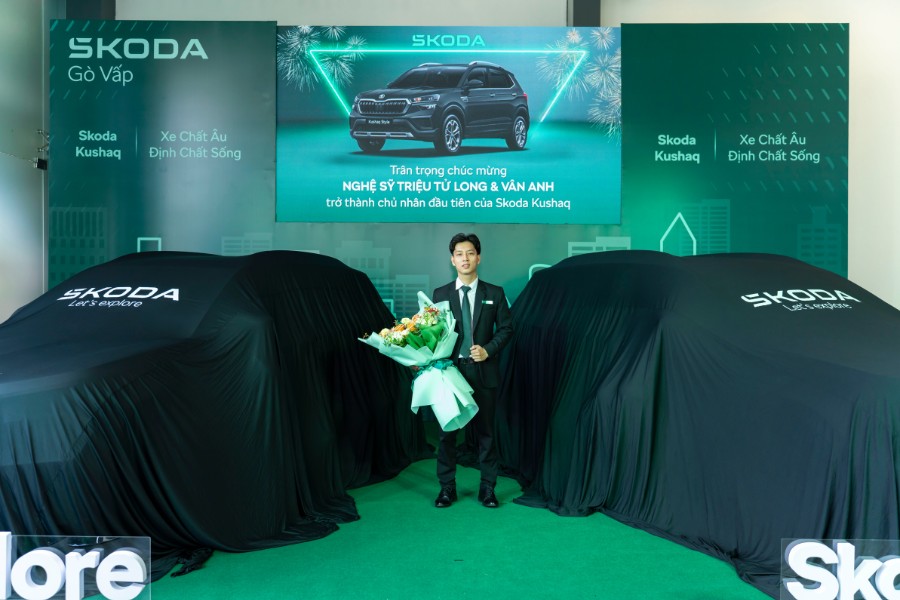
Sự kiện ra mắt xe Skoda Kushaq
Skoda Kushaq Car Launch Event
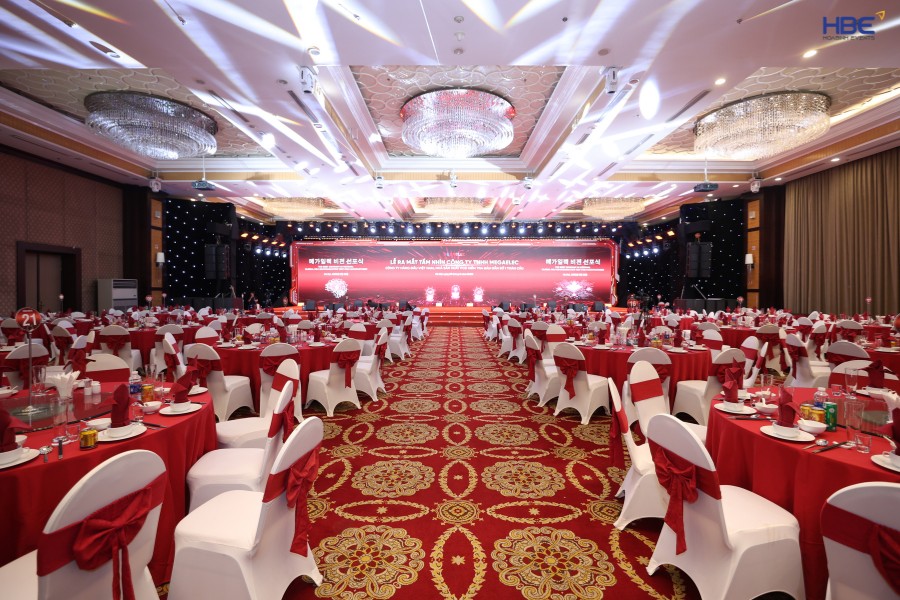
Lễ ra mắt tầm nhìn Công ty TNHH MegaElec
MegaElec Co., Ltd. Vision Launch Event
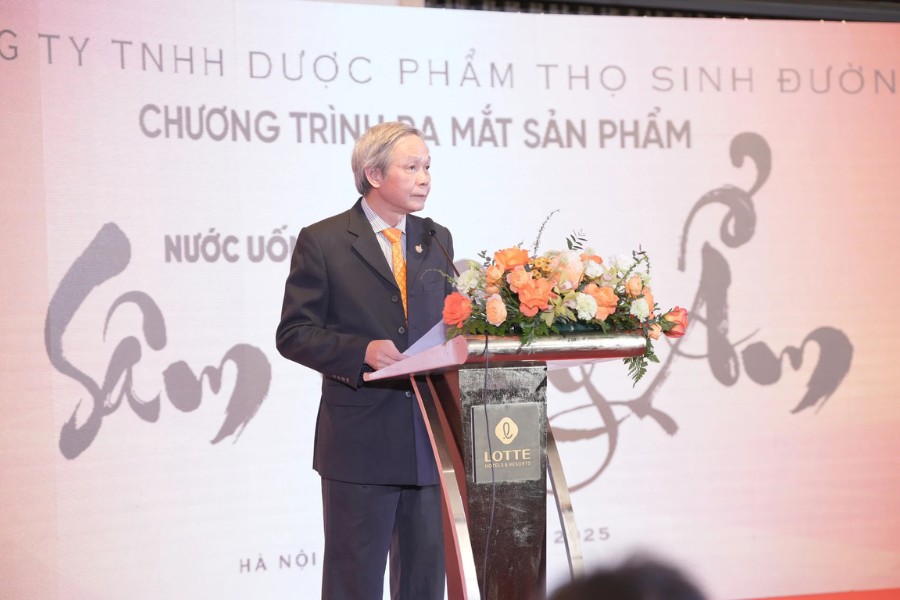
Công ty TNHH Dược Phẩm Thọ Sinh Đường
Chương trình ra mắt sản phẩm nước uống Sâm Kỳ Ẩm
Thọ Sinh Đường Pharmaceutical Co., Ltd. Sâm Kỳ Ẩm Beverage Product Launch Event
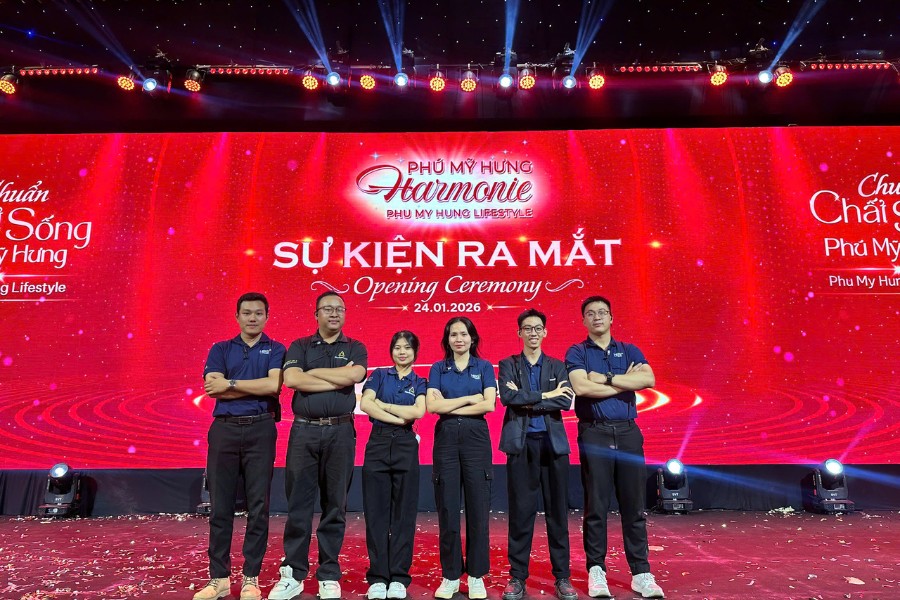
Sự kiện ra mắt dự án Phú Mỹ Hưng Harmonie
Phu My Hung Harmonie Project Launch Event
A product launch brings together product messaging, the target audience, marketing activities, customer engagement, and the launch event.
Before planning the event, the company needs to define what the product stands for and what guests should remember after the launch.
This message should guide the event concept, presentation content, product reveal, stage design, and visual materials. Keep the message clear and focused on the product's main value rather than trying to present too many features at once.
The guest list should match the purpose of the launch. Depending on the product, the audience may include potential customers, existing customers, business partners, distributors, media, influencers, or employees.
The company should also set clear goals for the launch. These may include introducing the product, generating awareness, creating media attention, collecting leads, getting customers to try the product, or supporting early sales.
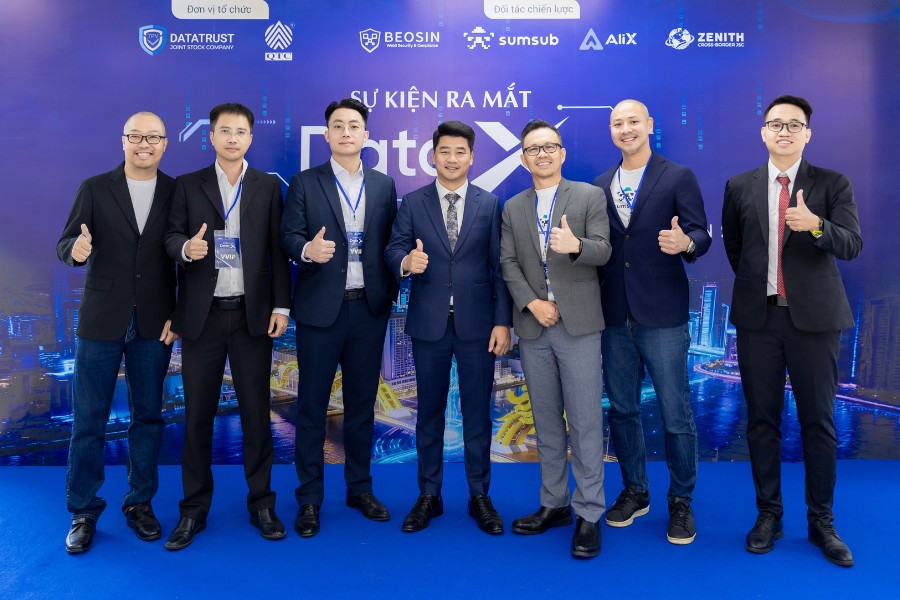
A product launch normally includes communication before, during, and after the event. These activities can include invitations, media outreach, social media content, product videos, event photography, live content, and post-event materials.
The launch should give guests a clear way to learn more about the product and take the next step. Depending on the product, this can include product demonstrations, test areas, one-to-one consultations, product samples, QR codes, or meetings with sales teams.
For B2B launches, the event can also create opportunities for customers, distributors, and business partners to speak directly with the company team.
The launch event brings all these elements together in a live setting. The plan covers the event concept, venue, stage and event space, product presentation, demonstrations, AV equipment, speakers, guest management, media coordination, rehearsals, and on-site operations.
A strong event plan makes sure that the product message and the guest experience work together. The technical production must also support important moments such as the product reveal, presentation, demonstration, and media capture.
A successful product launch event should be built around the product and the audience, not simply around an attractive venue or a large stage. Start with the message you want guests to remember, then design the experience and production around that message.
The event concept should connect the product's main message with the guest experience. For example, a technology product may use an interactive demonstration and a modern digital environment, while a premium consumer product may focus more on product presentation, design, and personal experience.
Once the concept is clear, use it consistently across the stage, entrance area, product display, screen content, activities, signage, and reveal moment.
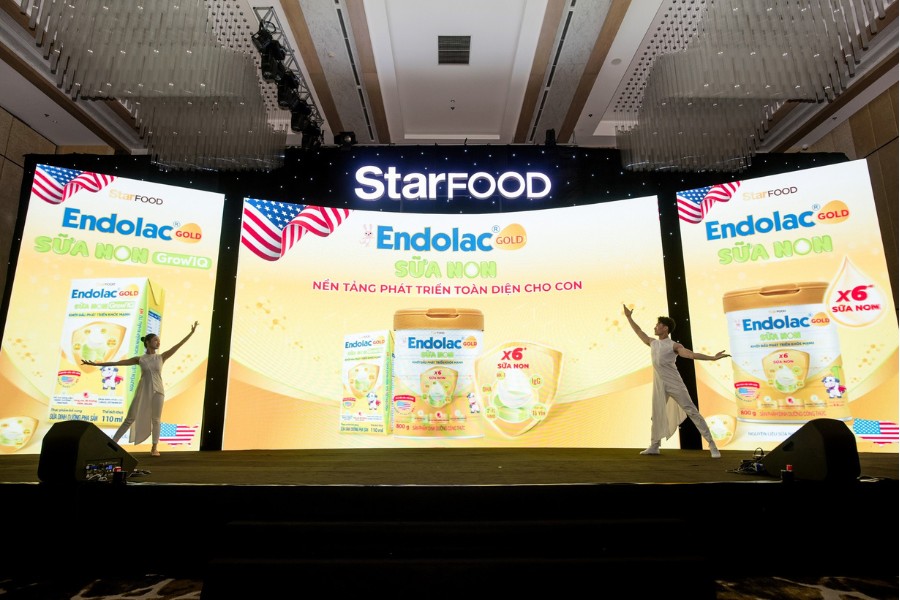
Choose a venue based on what the product launch needs, not only its appearance. Check the venue's capacity, layout, stage area, ceiling height, power supply, internet connection, loading access, sound conditions, branding rules, and available AV equipment.
A technical site inspection is useful before confirming the venue, especially when the event requires large LED screens, lighting, product displays, or complex demonstrations.
Then divide the venue into clear areas based on the guest journey. These may include:
A product launch should give guests a chance to understand the product, not only watch a presentation about it.
Plan demonstrations around the product's most important features. Keep the process simple enough for guests to follow and make sure the product is ready to use throughout the event.
Depending on the product, experiential activities may include:
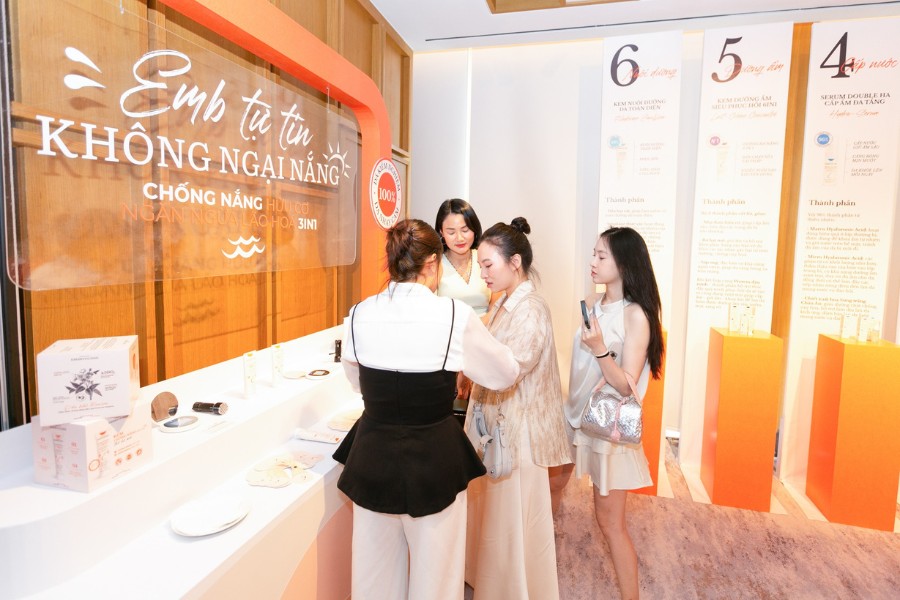
The stage and AV system should support the product story and, most importantly, the product reveal.
The event equipment may include LED screens or projection, sound systems, microphones, stage lighting, presentation screens, video playback, cameras, and show control. Screen content, lighting, sound, and speaker cues should be planned together so that the reveal happens at the right moment.
The stage design should also give the audience a clear view of the product. Avoid placing screens, decorations, or other structures where they block the product or the presenter.
If the launch will be streamed or heavily used for social media, plan the production for cameras as well as the audience in the room. Lighting, camera positions, screen content, and audio quality all affect the final video.
Create a clear schedule for speakers, VIP guests, media, and other important participants before event day.
Speakers should know their speaking time, presentation format, stage position, microphone type, and the point at which they need to enter or leave the stage. Media and influencers may also need dedicated registration, interview areas, product information, or scheduled interview slots.
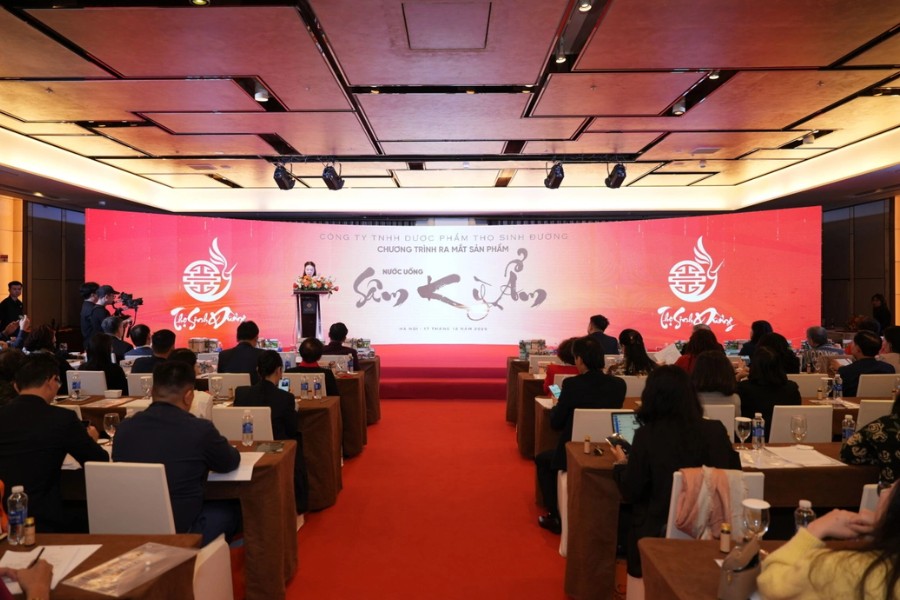
Do not wait until the event starts to test the full program. A product launch should have at least one complete technical rehearsal before guests arrive.
The rehearsal should cover the full sequence, including speaker entrances, presentations, videos, product demonstrations, product reveal, lighting cues, sound cues, screen content, and camera operation. Technical teams should also test backup equipment and prepare solutions for possible failures.
On event day, the event crew should manage the run of show and coordinate all teams from one central schedule. A dedicated show caller or event manager can give cues to speakers, AV operators, lighting teams, stage staff, and other suppliers so that each part of the program happens at the planned time.
A successful product launch event needs more than a product presentation. For companies planning a product launch in Vietnam, working with an experienced local event team can simplify venue coordination, production, guest management, and on-site execution. With the right preparation, your launch event can introduce the product clearly while creating a strong experience for customers, partners, and media