

NEWS

Organizing an event involves much more than choosing a venue and preparing a program. A structured event organization process helps planners control each stage, coordinate different teams, and prepare for potential problems before they happen.
This guide explains what event organization involves, which types of events require professional support, and the key areas to manage from planning to execution. Let's dive in!
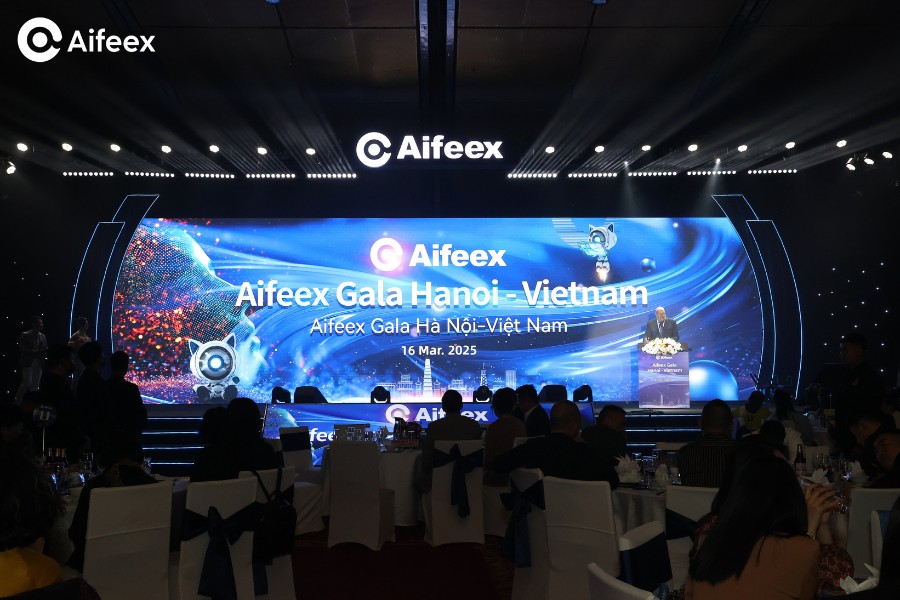
Sự kiện AIFEEX
AIFEEX Event made by Event Crew
Event organization is the process of planning, coordinating, and managing all activities required to deliver an event successfully. From an event planner's perspective, this includes defining the event objectives, building a budget, selecting a venue, arranging suppliers and equipment, developing the program, managing guests, and coordinating on-site operations.
A well-organized event connects these elements into one workable plan. The venue must support the program, technical equipment must match the event format, suppliers need to follow the agreed schedule, and staff must know their responsibilities.
Effective event organization also helps reduce operational risks. Planners can identify possible problems in advance, such as delayed setup, unsuitable equipment, unclear responsibilities, insufficient staffing, or changes in the program.
When registration, seating, presentations, catering, technical support, and transitions between activities run smoothly, guests can focus on the purpose of the event rather than operational problems. For businesses, this can also influence how attendees perceive the brand and the professionalism of the organizing team.
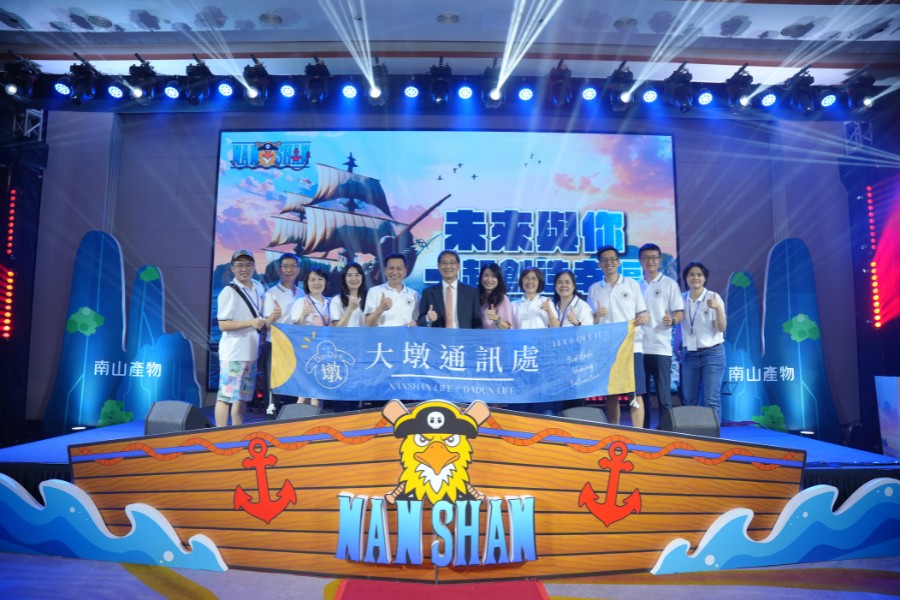
Understanding the main event types is a useful first step to choosing the right planning approach and preparing the resources required for the event. Below are popular types of events:
Corporate events can include company celebrations, annual meetings, employee engagement activities, award ceremonies, gala dinners, and internal events. Although some programs may be relatively small, they still require careful coordination of the schedule, venue, branding, entertainment, catering, and guest experience.
For larger corporate events, planners may also need to manage stage production, audiovisual equipment, transportation, guest registration, photography, and event staff. A detailed production plan helps different teams work toward the same schedule and ensures that the event reflects the company's objectives and brand identity.
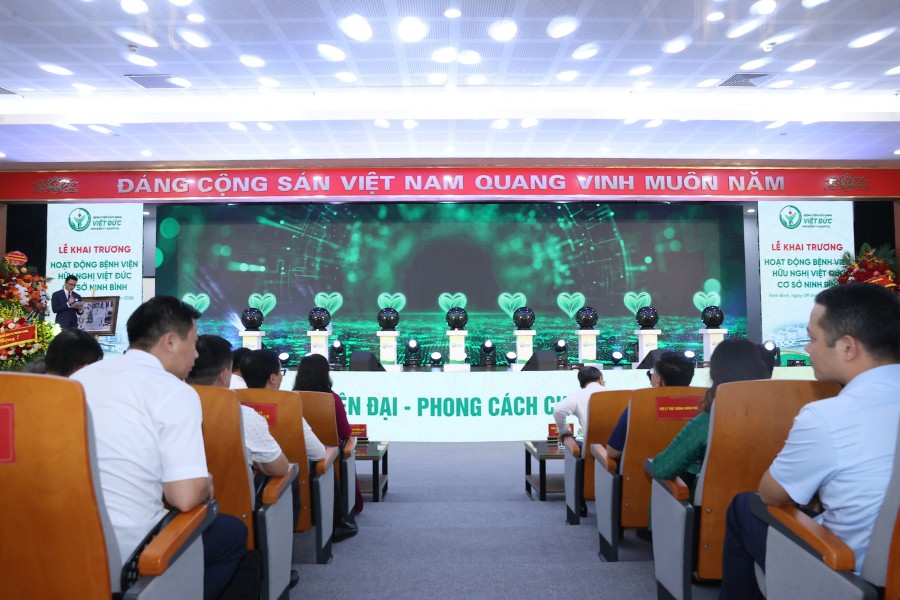
Lễ Khai trương hoạt động Bệnh viện Hữu nghị Việt Đức cơ sở Ninh Bình
Opening Ceremony of Viet Duc Friendship Hospital – Ninh Binh Facility
Conferences and business meetings require a strong focus on timing, speakers, content flow, and attendee management. The organizing team needs to coordinate speaker schedules, presentation materials, registration, seating arrangements, interpretation, audiovisual systems, and networking activities.
Technical planning is particularly important when an event includes multiple presentation sessions or remote speakers. Equipment should be tested before the program starts, while the event team should also prepare clear procedures for speaker changes, presentation handovers, and unexpected technical issues.
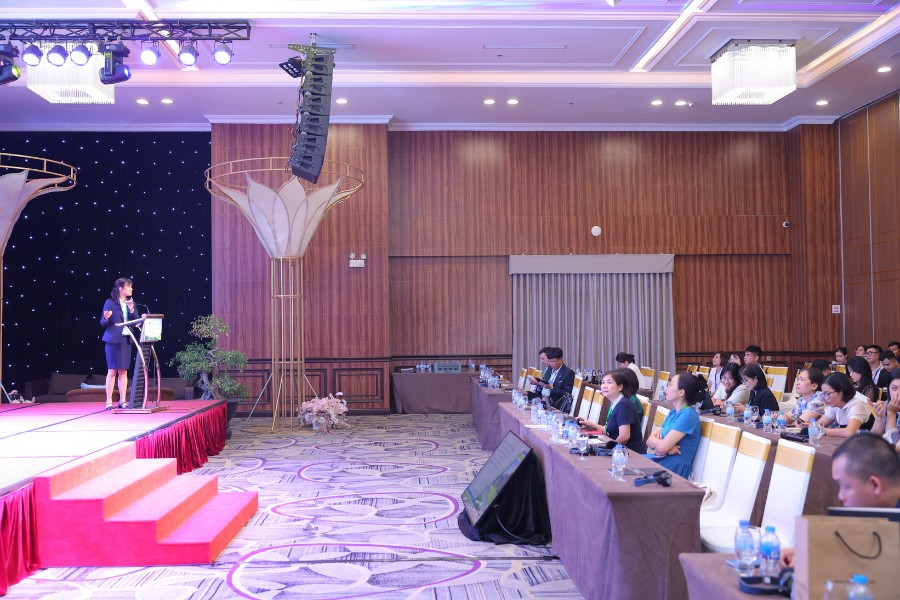
Hội nghị quốc tế về y học cấp cứu và y học hồi sức năm 2025
International Conference on Emergency Medicine and Critical Care Medicine 2025
A product launch or brand event needs to communicate a clear message while creating an engaging experience for guests. Event organization therefore involves more than managing logistics; the venue layout, stage design, product display, demonstrations, entertainment, and guest journey should support the launch concept.
Timing also matters. Product reveals, speeches, videos, demonstrations, and media activities often need to happen at specific moments. Close coordination between the creative, production, marketing, and event teams helps ensure that the brand message remains consistent throughout the program.
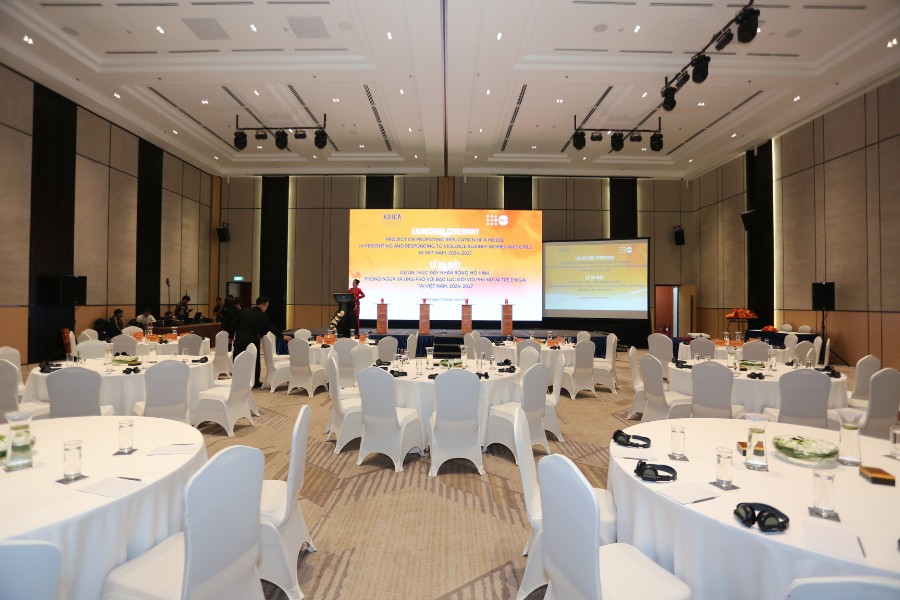
Lễ ra mắt Dự án thúc đẩy nhân rộng mô hình phòng ngừa và ứng phó với bạo lực đối với Phụ nữ và Trẻ em giá tại Việt Nam, 2024 - 2027
Launching Ceremony project on promoting replication of a model in preventing and responding to violence against women and girls in Viet Nam, 2024 - 2027
Cultural and community events may involve public audiences, local organizations, performers, sponsors, and multiple activity areas. Depending on the event, organizers may need to manage crowd flow, performances, temporary structures, sound systems, food vendors, security, and public facilities.
The planning approach should reflect the characteristics of the audience and location. Outdoor events, for example, require additional preparation for weather conditions, power supply, site access, and emergency arrangements.
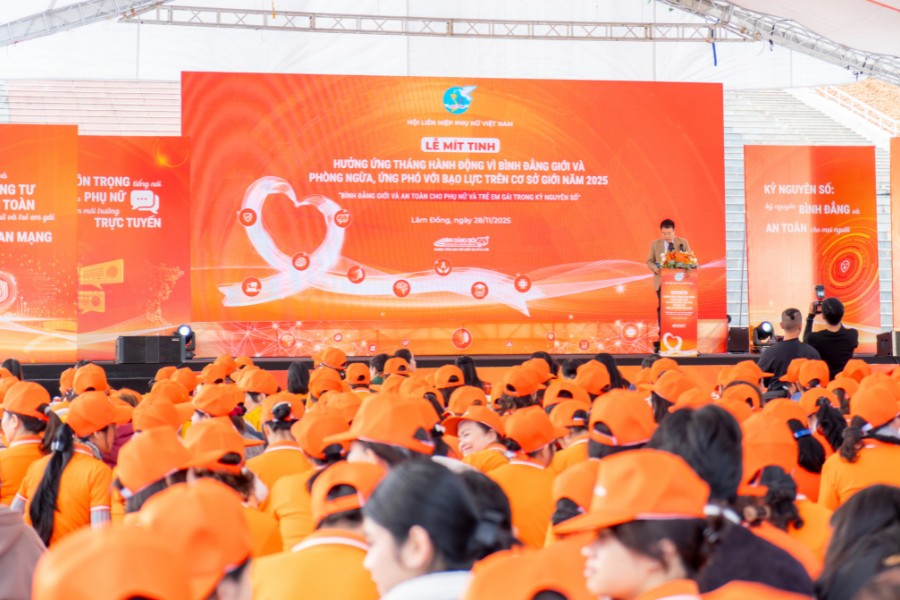
Lễ mít tinh Hưởng ứng tháng hành động vì bình đẳng giới và phòng ngừa, ứng phó với bạo lực trên cơ sở giới năm 2025
Rally in response to the Action Month for Gender Equality and Prevention and Response to Gender-Based Violence 2025
Hybrid and virtual events combine event management with digital technology. In addition to planning the program and speakers, organizers need to consider streaming platforms, internet connectivity, cameras, microphones, lighting, presentation sharing, remote participation, and technical support.
For hybrid events, the experience should work for both people in the venue and those joining online. This requires careful planning of camera positions, audio quality, screen content, speaker interaction, and audience engagement. Technical rehearsals should be completed before the event so the team can identify and resolve connection or equipment issues in advance.
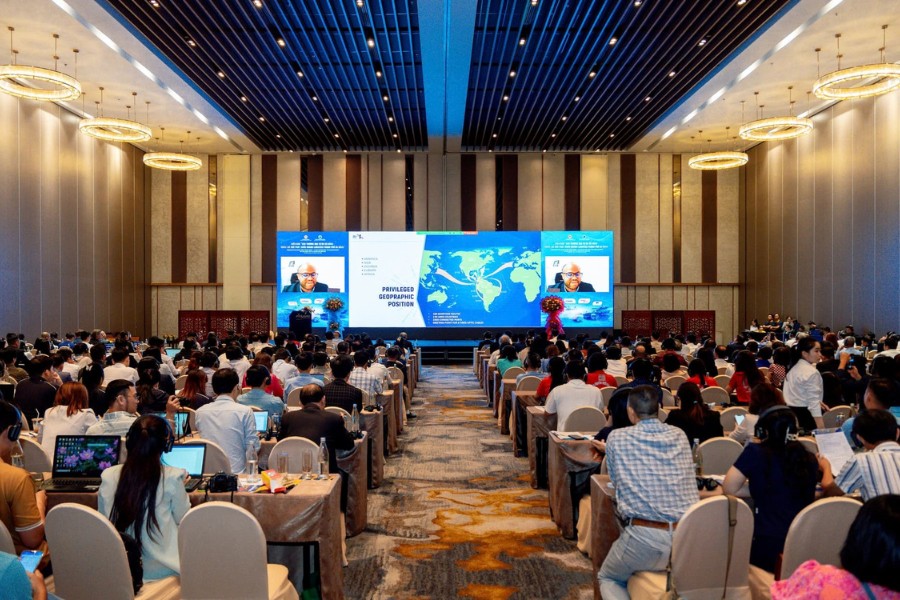
Diễn đàn "Khu thương mại tự do Đà Nẵng - Động lực mới phát triển ngành logistics thành phố Đà Nẵng"
Forum "Da Nang Free Trade Zone – A New Driver for the Development of Da Nang's Logistics Industry
The exact workflow can vary by event type and scale, but the following steps provide a practical framework for organizing a professional event.
Start by identifying what the event needs to achieve. The goal may be to bring business partners together, introduce a new product, train employees, build brand awareness, or create a networking opportunity.
Once the main objective is clear, define the basic event requirements, including the expected number of attendees, event date, location, duration, format, key activities, and required services. These details become the foundation for later decisions about the venue, budget, staffing, and production.
Before developing the program, consider who your audience is, why they are attending, what information or experience they expect, and what may affect their participation.
For example, a business conference may require convenient registration, clear session information, comfortable seating, networking areas, and professional presentation support. A company celebration may place more emphasis on entertainment, interaction, food, and a relaxed atmosphere.
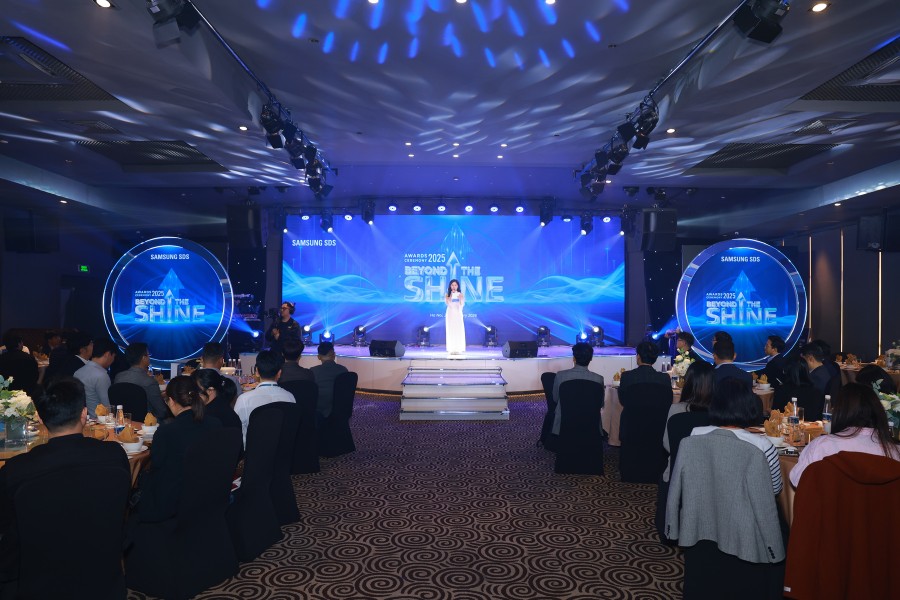
With the goals and audience defined, develop a concept that gives the event a clear direction. The concept should influence the theme, visual identity, stage design, activities, content, and overall guest experience rather than being used only as a decoration idea.
Next, build the event program around the main objective. Set the sequence of sessions, speeches, performances, activities, breaks, meals, and transitions. Each part should have a clear purpose and realistic timing.
Create the budget before making major commitments to venues, suppliers, or production services. Break the budget into practical categories such as venue, catering, audiovisual equipment, stage and decoration, entertainment, staffing, transportation, accommodation, branding, and contingency costs.
Resource allocation should follow the priorities of the event. For example, a conference with multiple speakers may need more investment in audiovisual systems and technical support, while a product launch may require greater attention to stage production and brand presentation.
Leave a contingency amount for unexpected costs. Changes in guest numbers, additional equipment, overtime, transportation issues, or last-minute production requirements can affect the final budget if there is no financial buffer.
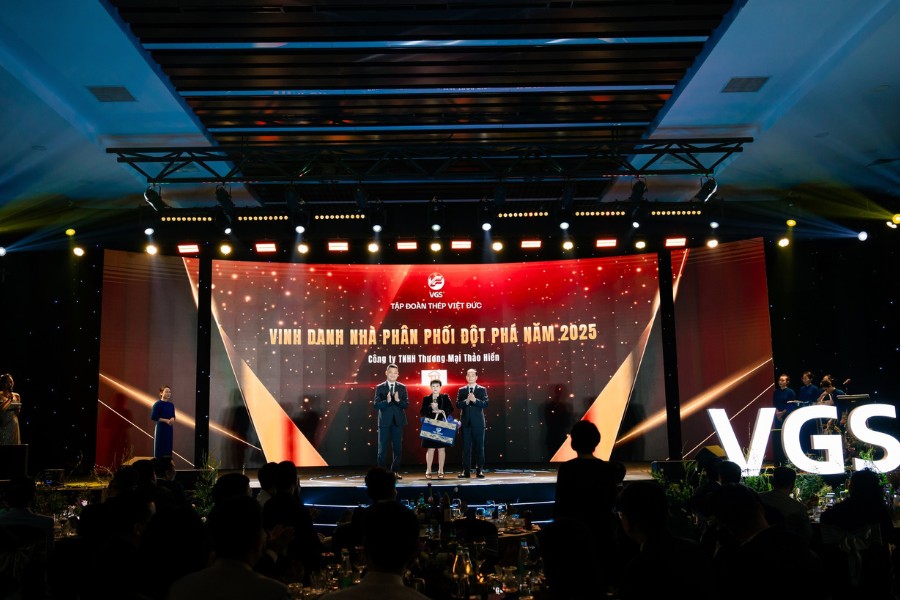
The venue should support the event rather than simply provide enough space. Check its capacity, layout, accessibility, parking, loading access, power supply, internet connection, technical facilities, catering options, and restrictions on setup or operating hours.
The event format also affects these requirements. An in-person event needs a suitable physical environment, while a hybrid event requires reliable internet connectivity, streaming equipment, cameras, microphones, and technical support. A virtual event has different requirements for platforms, speakers, content delivery, and online audience interaction.
Before confirming the venue, an event crew should conduct a site inspection whenever possible. Walking through the venue helps identify practical issues that may not be visible in floor plans or photographs, such as limited loading space, difficult equipment access, unsuitable power locations, or restricted setup times.
A clear team structure prevents important tasks from being missed or handled by multiple people at the same time. For every major task, clarify who is responsible, when it must be completed, and who needs to approve the result.
Before the event, the crew should also establish a communication process. A shared schedule, contact list, production timeline, and escalation procedure allow the team to respond faster when changes occur. On event day, this structure becomes especially important because decisions often need to be made within minutes.
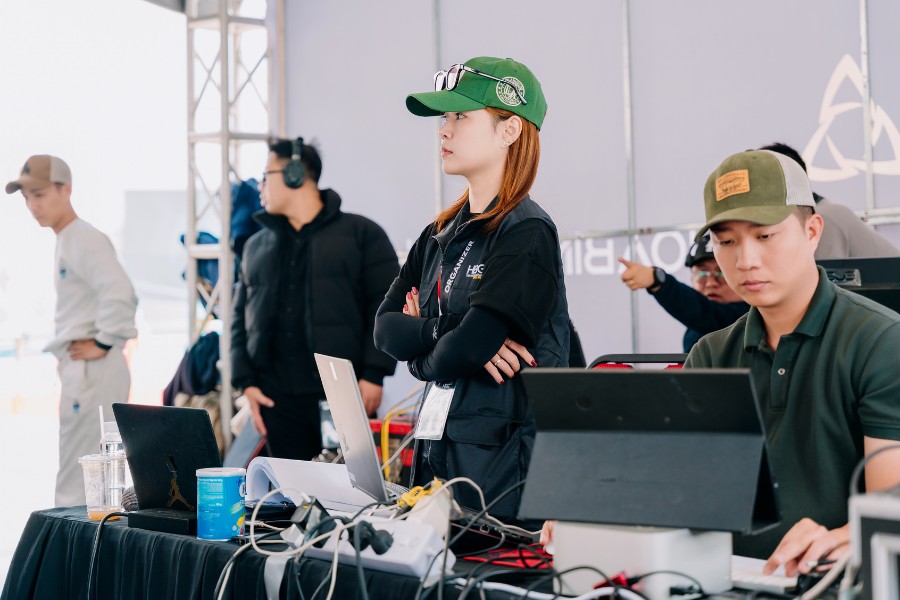
Event suppliers should be selected based on their ability to meet the event's actual requirements, not only their quoted price. Depending on the program, vendors may provide the venue, catering, audiovisual equipment, staging, lighting, decoration, entertainment, transportation, printing, photography, or other services.
Once suppliers are confirmed, provide them with clear information about the event schedule, venue rules, setup requirements, technical specifications, contact persons, and deadlines. All important details should be confirmed in writing to reduce misunderstandings during preparation.
Supplier coordination should continue until the event is completed. An experienced event crew normally checks delivery schedules, conducts technical tests, confirms setup progress, and keeps backup options for critical services. This level of coordination helps ensure that separate suppliers work as one production team instead of operating independently.
Logistics connects the event plan with what actually needs to happen at the venue. Create a detailed logistics plan covering transportation, equipment delivery, loading and unloading, setup and dismantling, catering, accommodation, signage, guest movement, and on-site storage where needed.
Technical requirements should be planned at the same time. Depending on the event, this may include sound systems, lighting, LED screens, projectors, microphones, interpretation equipment, cameras, streaming systems, and other production equipment.
A site inspection and technical rehearsal are valuable before the event, especially for large or complex programs. The event crew should check power supply, internet connection, equipment positions, cable routes, stage dimensions, and access points instead of relying only on venue information or floor plans.
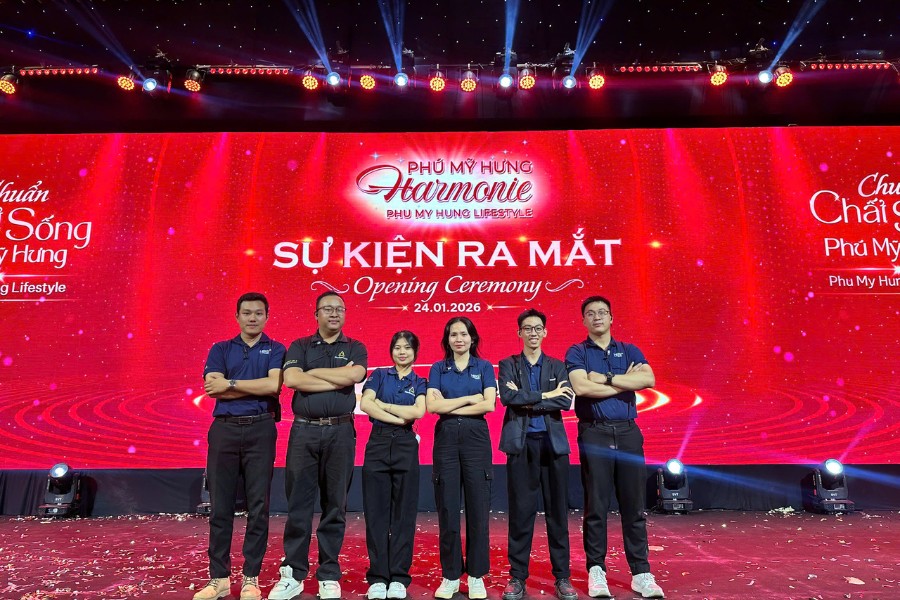
Once the event details are confirmed, prepare a communication plan that reaches the right audience through suitable channels. Depending on the event, promotion may include email, social media, company websites, invitations, media outreach, or direct communication with business partners and guests.
Registration should be designed around the event format and attendee profile. Collect only the information needed for event management, while making the registration process simple and easy to complete.
Keep the attendee database updated throughout the registration period. Tracking registrations, confirmations, cancellations, special requests, and attendance status gives the event team a clearer view of expected guest numbers and helps adjust catering, seating, staffing, and other resources before the event.
The run sheet turns the event program into a practical operating document. It should show the timing and sequence of each activity, including speaker sessions, performances, videos, presentations, breaks, meals, guest movements, and technical cues.
A useful run sheet also identifies the person or team responsible for each activity and the action required at each point. For example, a speaker session may require the stage manager to prepare the speaker, the AV team to load the presentation, and the MC to introduce the next segment.
The document should be shared with all key teams before the event. Event crews often conduct a final briefing to review the run sheet, clarify communication channels, and confirm how the team will handle schedule changes or unexpected situations.
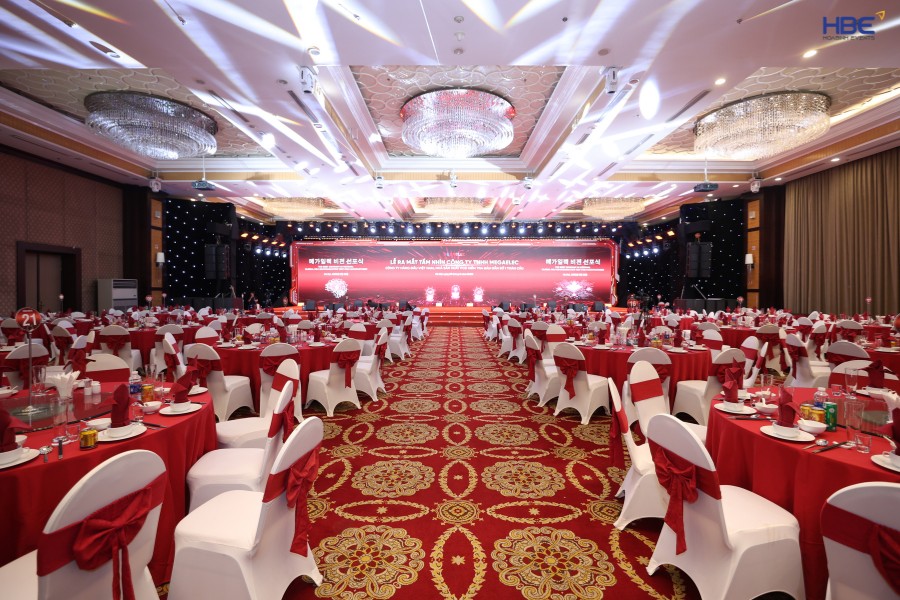
On event day, the priority shifts from planning to coordination. The event crew needs to monitor setup, registration, guest flow, technical systems, catering, stage activities, and timing while keeping communication between different teams clear.
A designated event manager or stage manager should oversee the overall operation and coordinate responses when issues occur. For example, if a speaker arrives late, the team may need to adjust the program, inform the MC, update the technical crew, and communicate the change to relevant staff without disrupting the audience experience.
Professional on-site management also means checking details continuously rather than assuming that preparation is complete. Equipment should be tested before use, suppliers should follow the agreed schedule, and critical areas should have backup solutions where practical.
A post-event review helps the team understand what worked, what caused difficulties, and what should be improved for future events.
Review the event against its original objectives and examine practical results such as attendance, program timing, budget performance, attendee feedback, technical performance, and supplier delivery. Feedback from the client, guests, event crew, and vendors can reveal issues that may not be visible during the event itself.
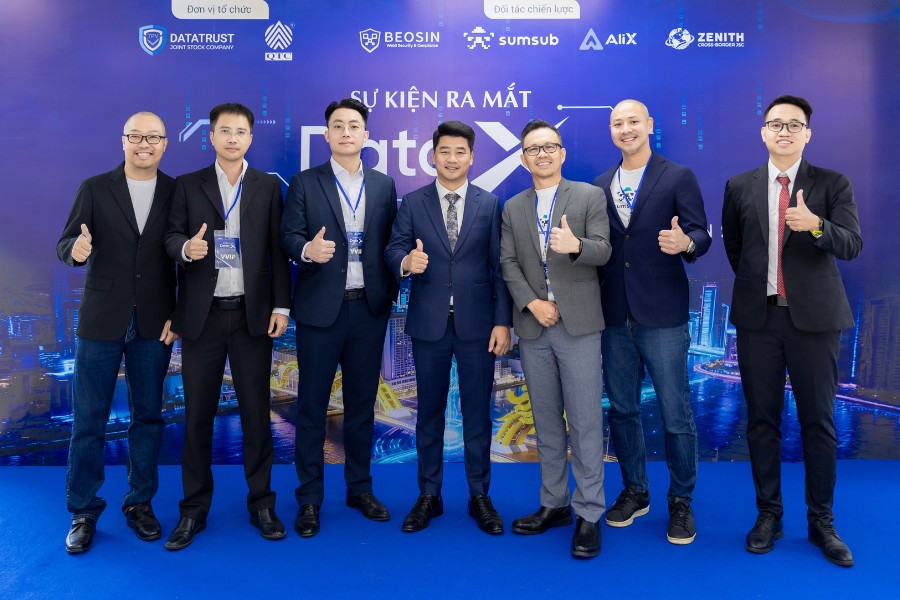
Professional event organization requires experienced people who can connect planning, production, logistics, and on-site operations into one coordinated process.
Event Crew provides end-to-end event organization services, supporting clients from the initial concept and planning stage through production, supplier coordination, event-day management, and post-event evaluation.
With many years of experience in event organization, Event Crew brings together skilled event planners, production specialists, technical crews, coordinators, and on-site staff. Each team member takes responsibility for a specific part of the project while working within a shared production plan.
From corporate events and conferences to product launches, brand events, and large-scale programs, Event Crew develops solutions based on the event's objectives, audience, venue, schedule, and budget.
The following Event Crew projects show practical event solutions executed on-site.
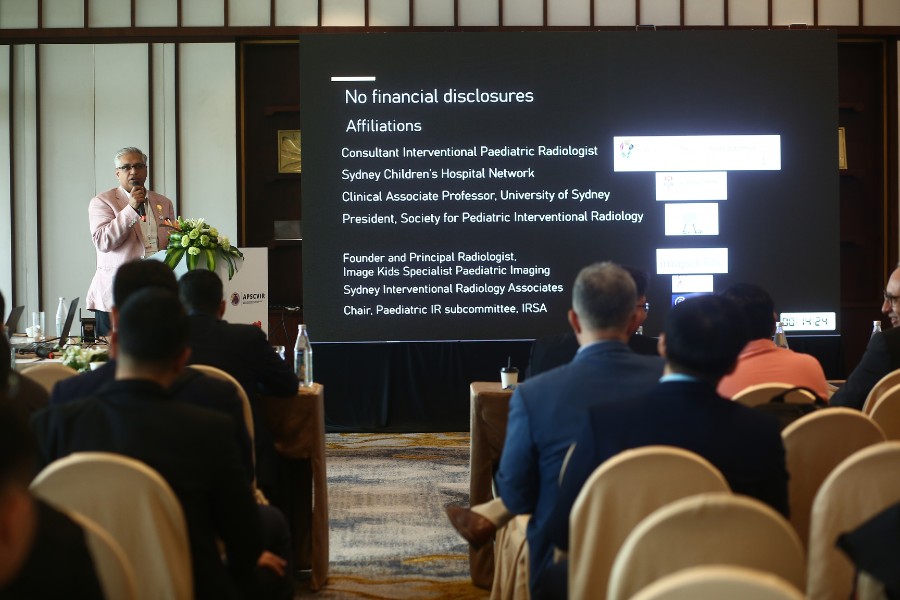
Hội nghị Khoa học APSCVIR 2025
APSCVIR 2025 Scientific Conference
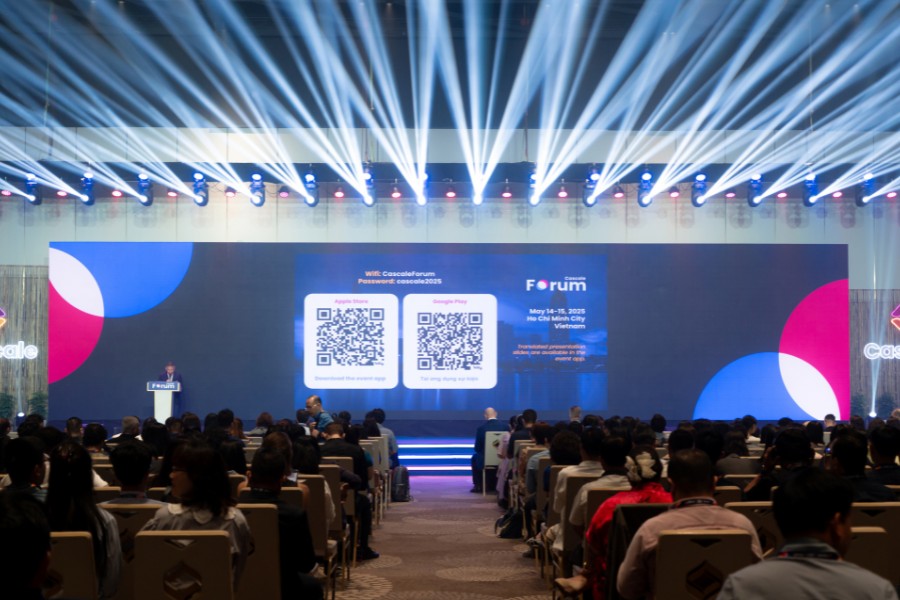
Cascale Forum 2025
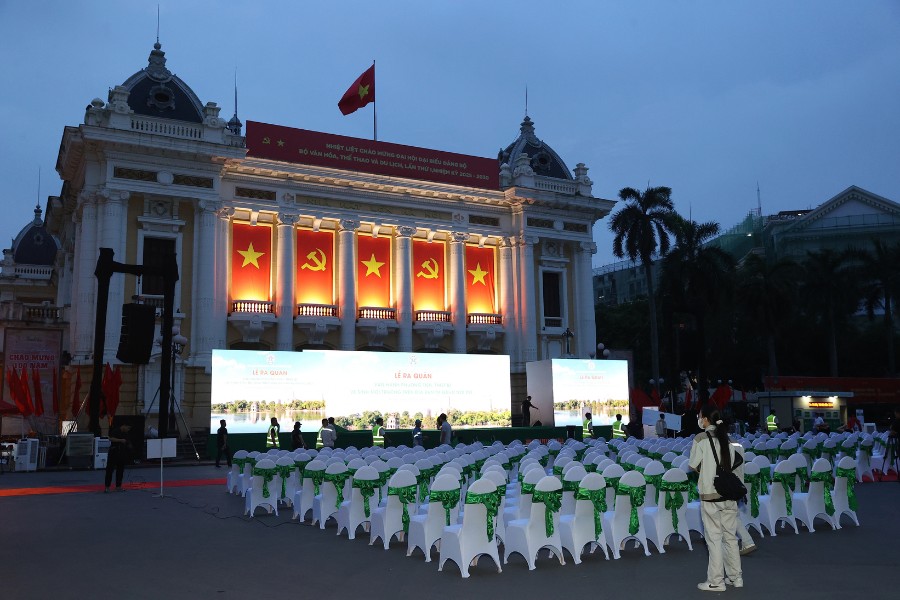
Lễ ra quân vận hành phương tiện, thiết bị vệ sinh môi trường trên địa bản 04 quận nội đô
Launch Ceremony for the Operation of Environmental Sanitation Vehicles and Equipment in Four Inner-City Districts
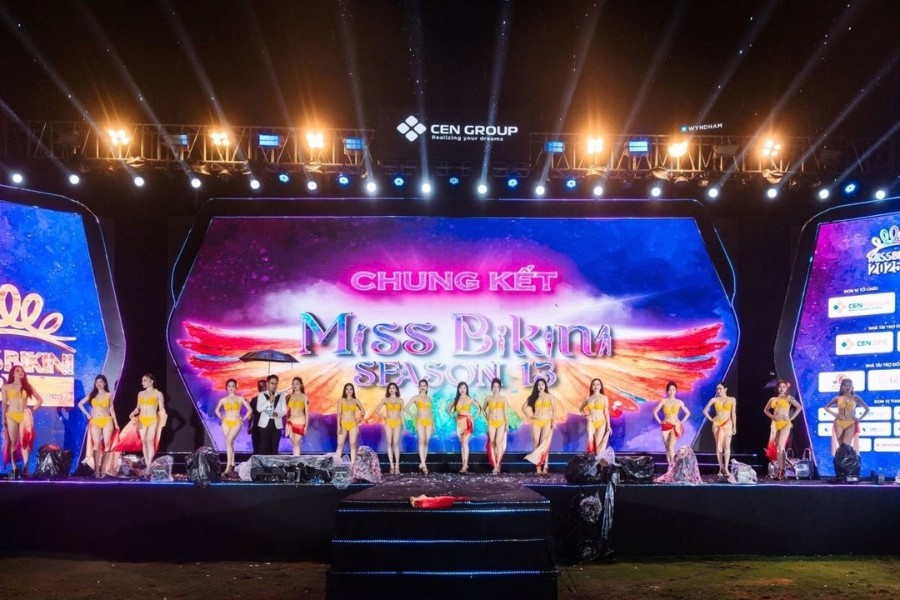
Miss Bikini Cen Group
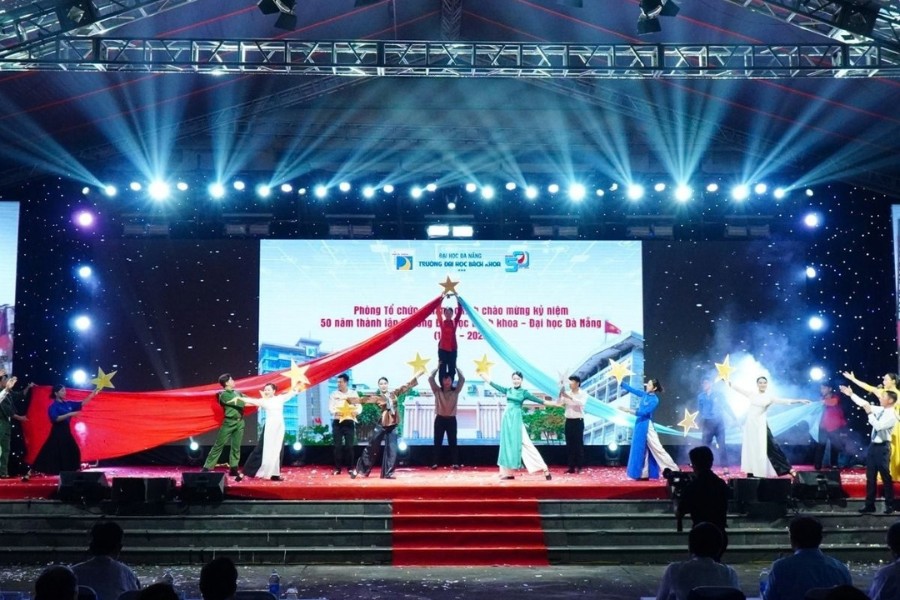
Lễ kỷ niệm 50 năm thành lập ĐH Bách Khoa, ĐH Đà Nẵng
50th Anniversary Celebration of the University of Science and Technology, The University of Danang
Effective event organization depends on careful preparation and strong coordination at every stage. Defining clear goals, understanding attendees, developing the right program, controlling resources, coordinating suppliers, and preparing for on-site challenges can help reduce operational risks and create a smoother event experience.
A professional event crew adds value by turning the plan into coordinated action. With experienced personnel and a structured process from planning to execution, organizations can focus on their event objectives while the operational details are managed by a dedicated team.