

NEWS

Real estate events need more than an attractive venue and a large guest list. A poorly planned event can make a property difficult to understand, weaken the sales message, and waste valuable opportunities to connect with buyers and investors.
This guide explains the main types of real estate events, why businesses organize them, and how to choose a format that supports the property's sales and communication goals.
A real estate event is an organized business event designed to present properties, introduce real estate projects, connect industry professionals, or support property sales and investment activities. The format can range from a project launch and property showcase to an open house, investment seminar, industry conference, or client event.
For developers, agencies, and real estate businesses, an event creates a direct setting to present a project and communicate its value beyond what customers see in online listings or advertising. A well-designed event can bring the property, sales team, visual materials, and potential buyers together in one experience.
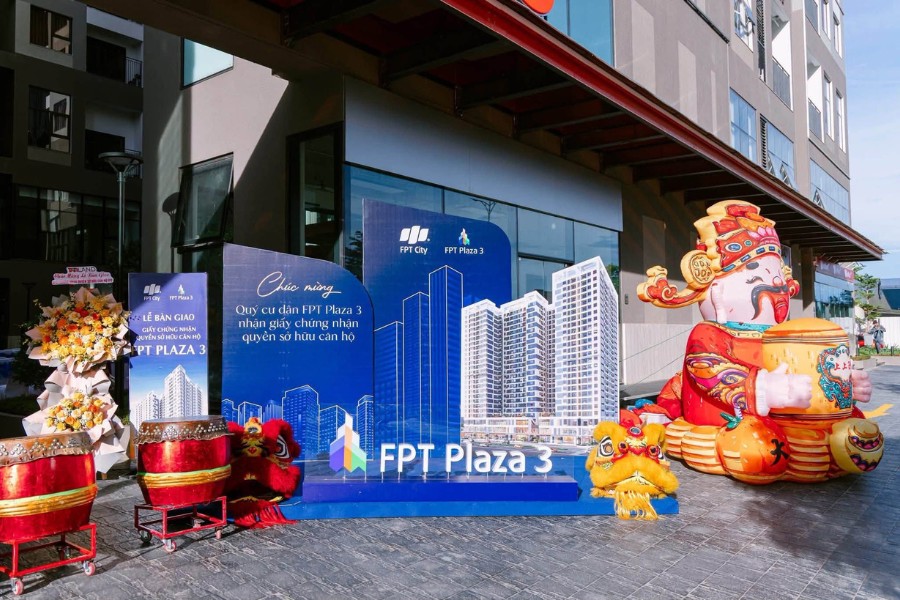
Hosting a real estate event can help businesses:
Different real estate event formats serve different business needs. Choosing the right format helps the organizing team build the program, venue setup, guest experience, and sales activities around one clear objective.
Choose a property launch or project showcase when a developer needs to introduce a new development to the market and create strong initial attention around the project.
The event should make the property easy to understand. Presentations, project videos, 3D models, scale models, sales materials, and visual displays can explain the development's location, master plan, facilities, design, and key product features.
For projects entering a competitive market, the event also provides a controlled environment for the sales team to present the project's positioning and speak directly with potential buyers.
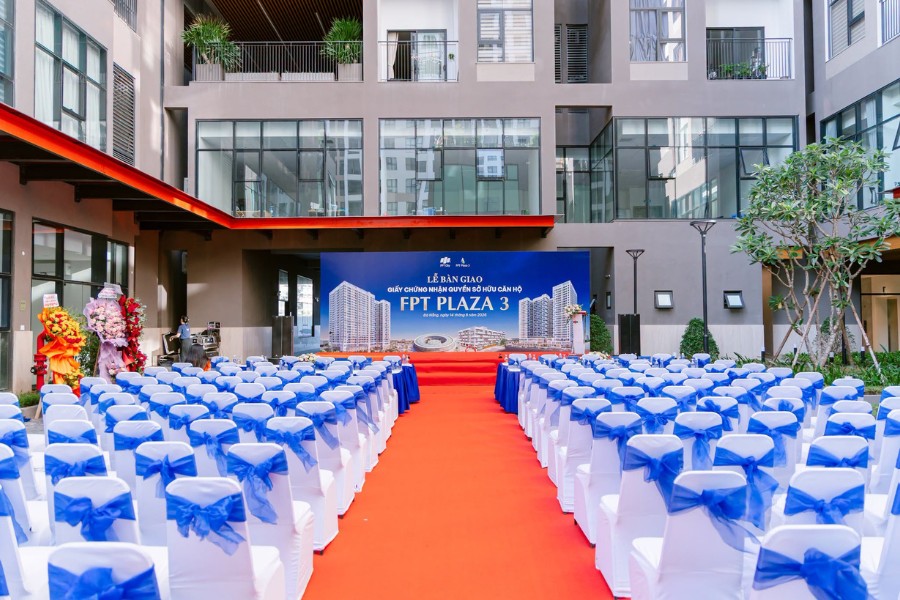
An open house works well when potential buyers need to see the property in person before making a decision. Instead of relying only on brochures, photos, or online listings, guests can experience the actual space and assess its location, layout, construction quality, and surrounding environment.
VIP property tours take this approach further by creating a more private and personalized experience for selected buyers or investors. The organizing team can arrange guided tours, private consultations, project briefings, and dedicated viewing areas to give each guest more time to evaluate the property.
A real estate conference or industry forum is designed to bring professionals together around market trends, business issues, investment opportunities, or industry developments.
This format is suitable for businesses that want to establish industry presence rather than focus only on selling one property. A structured program allows the organizer to build a professional platform for knowledge sharing and business connections.
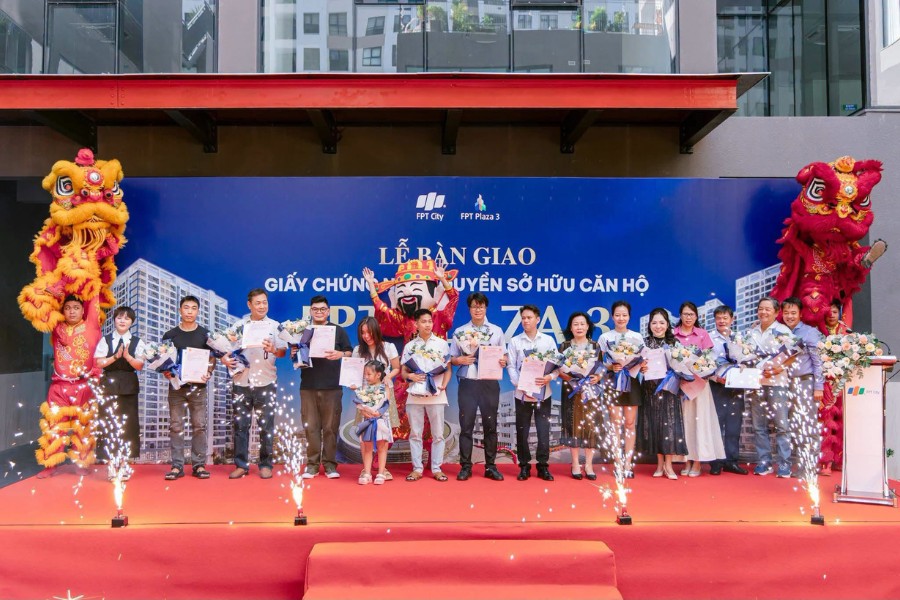
Investment seminars are useful when a real estate business needs to provide potential buyers or investors with more detailed information before they make an investment decision.
The content should address practical questions such as market conditions, investment strategy, project fundamentals, financing, legal considerations, or risk factors. A workshop format can add smaller discussions, case studies, Q&A sessions, or one-to-one consultations.
A networking event focuses on building relationships rather than delivering a long presentation about a single property.
For real estate companies, it can create direct connections with agents, brokers, investors, financial partners, suppliers, and other industry contacts. The event should leave enough time for face-to-face conversations instead of filling the schedule with stage activities.
A comfortable layout, suitable seating arrangements, food and beverage service, name badges, and well-planned networking areas can make conversations easier and keep the event moving naturally.
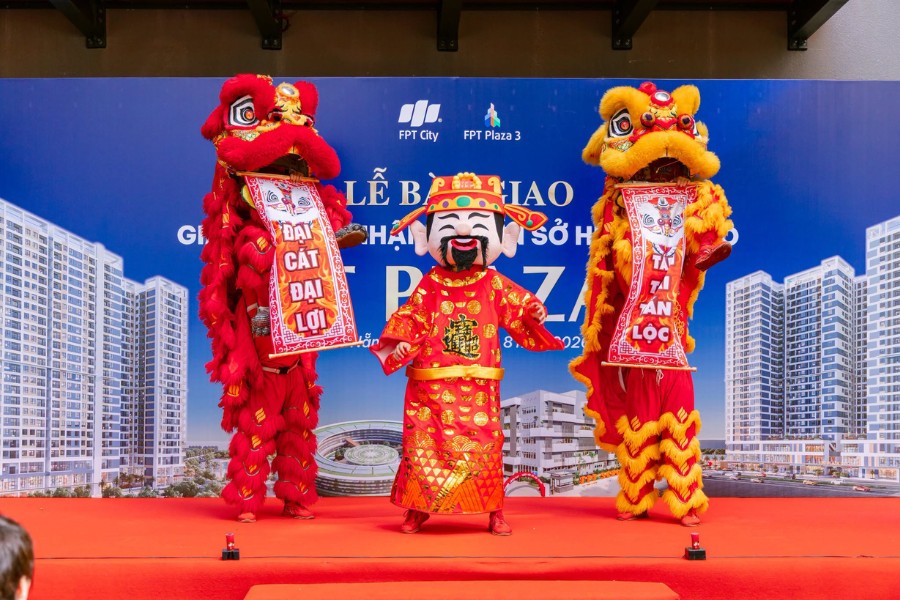
A client appreciation party is organized to maintain relationships with existing customers and recognize their contribution to the business.
For real estate companies, the event can strengthen long-term customer relationships after a property purchase and create opportunities to introduce new projects or services without making the entire program feel like a sales presentation.
The experience should put guests at the center. A well-designed program can combine entertainment, dining, recognition activities, and personal interaction with company representatives while maintaining a clear and professional brand presence.
A successful real estate event needs a clear connection between the property, the event experience, and the sales process. The planning team should know what attendees need to understand about the project, what action they should take after the event, and how every event element supports that goal.
Start by setting one main business objective for the event. A project launch may focus on creating market awareness and generating qualified leads, while an investor seminar may focus on explaining the investment opportunity and answering detailed questions.
Define the target audience based on the property's actual sales strategy. Consider factors such as buyer profile, investment interest, purchasing stage, location, and expected spending level. These details will affect the invitation list, event content, venue, sales setup, and follow-up approach.
The sales and marketing teams should agree on the expected result before planning begins. Useful targets include the number of qualified attendees, consultation requests, property viewings, or follow-up appointments.
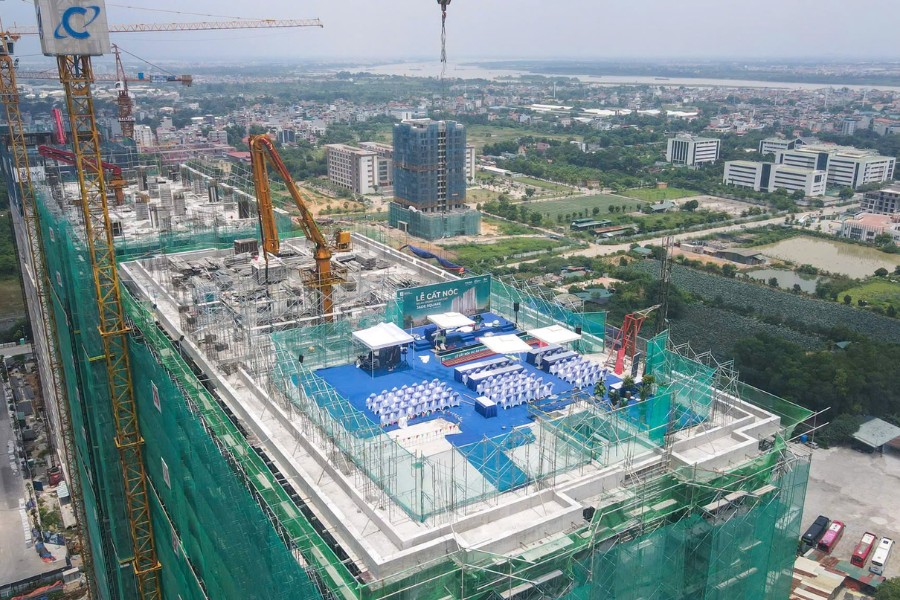
Match the event format to the property and the action you want attendees to take. A project launch needs strong presentation and visual display areas, while an open house requires easy access to the property and enough space for guided tours and private consultations.
The venue should also support the practical needs of the event. Check its location, access, parking, guest capacity, stage area, screen visibility, power supply, sound conditions, branding opportunities, and installation rules before confirming the booking.
For a property tour or site-based event, pay additional attention to visitor routes, safety, weather conditions, temporary structures, lighting, toilets, and transportation between locations.
Build the budget around the actual requirements of a real estate event rather than allocating the same amount to every event category. Major cost areas often include venue rental, stage and audiovisual production, decoration and branding, guest reception, catering, transportation, entertainment, photography and event videography, staffing, and marketing.
You should set deadlines for venue confirmation, concept approval, invitation launch, guest confirmation, production design, supplier booking, content preparation, equipment testing, and final rehearsal.
Reserve enough time for property-related materials as well. Project information, floor plans, price information, brochures, sales presentations, models, and other materials often require approval from several departments before they are ready for public use.
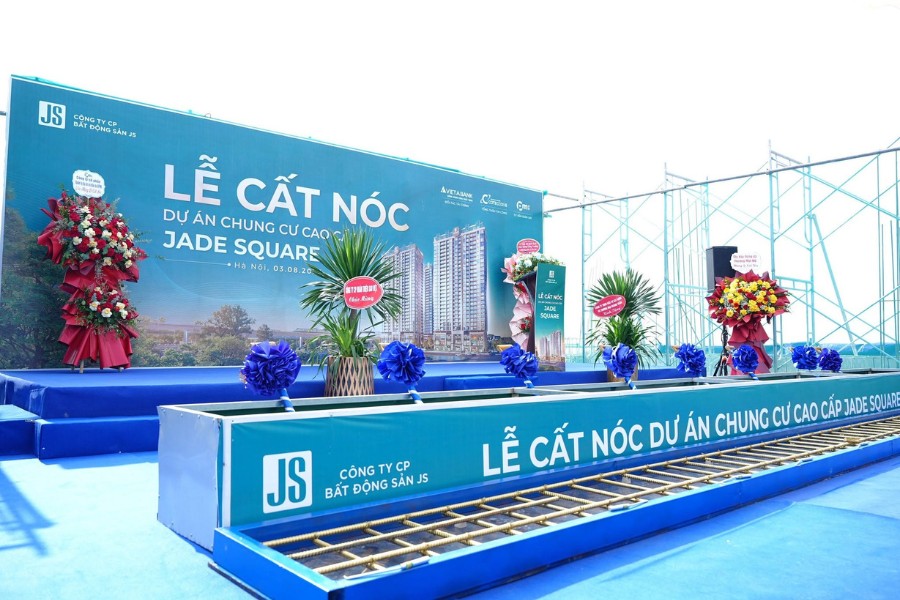
Build the program around the information and actions that matter to potential buyers or investors. A property launch may move from project introduction and visual presentation to product details, sales information, Q&A, and private consultation.
For an open house, plan the guest journey from arrival and registration to property viewing, project briefing, consultation, and departure. Assign staff to each stage so guests know where to go and who can assist them.
Avoid filling the schedule with entertainment or long presentations that leave little time for property consultation. The program should give attendees enough opportunity to ask questions, review project information, and speak directly with the sales team.
Start promotion with a clear reason for people to attend. The invitation should communicate the project or event name, date, venue, main content, and the specific experience attendees will receive.
Prepare the guest list early and divide contacts according to their relationship with the business and potential interest in the property. Use suitable channels to reach them, such as direct invitations, email, phone calls, social media, or partner networks.
Track registrations before the event rather than treating the invitation as the final step. Confirm attendance, record relevant guest information, and share practical details such as venue access, parking, arrival time, or property tour arrangements.
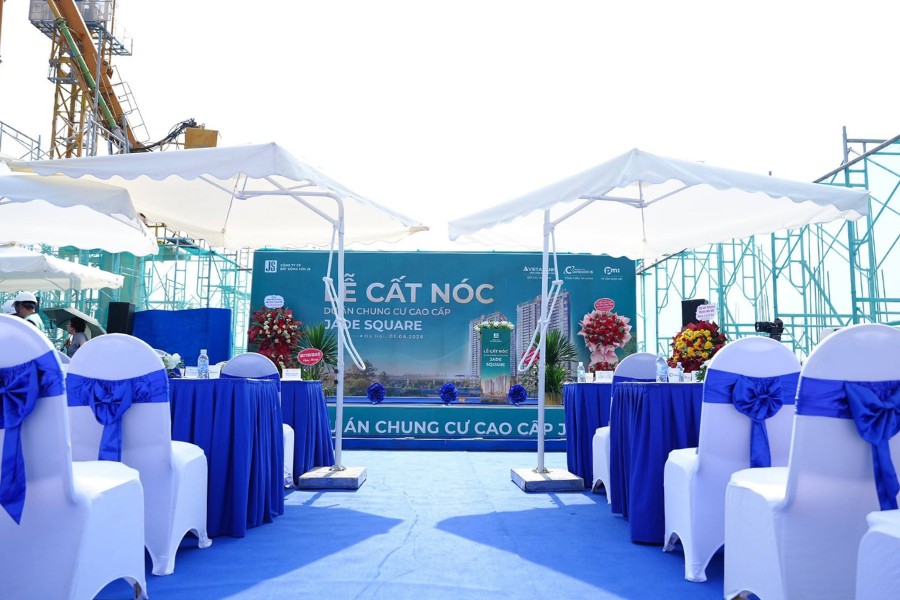
Real estate events often involve several suppliers working on the same schedule. The organizer needs one clear production plan covering stage setup, LED screens or projectors, sound, lighting, branding, furniture, registration, catering, photography, videography, transportation, and guest support.
Create a detailed run sheet that shows setup times, technical checks, rehearsals, guest arrival, program cues, property tours, sales activities, and breakdown. Assign a responsible person to each major work area and establish one communication channel for urgent onsite coordination.
For events held at a development site, inspect the location before production begins. Construction conditions, access roads, temporary power, uneven surfaces, weather exposure, and limited visitor facilities can directly affect the event setup and guest experience.
The sales process should continue as soon as the event ends. Organize attendee information and separate general attendees from qualified leads, guests who requested a consultation, and people who need additional project information.
Send relevant follow-up materials based on each attendee's interaction at the event. A guest who requested a property consultation should receive a direct sales follow-up, while someone who asked for project documents may need a different response.
Track attendance, qualified leads, consultations, site visits, and other agreed outcomes to understand whether the event supported the business and sales goals.
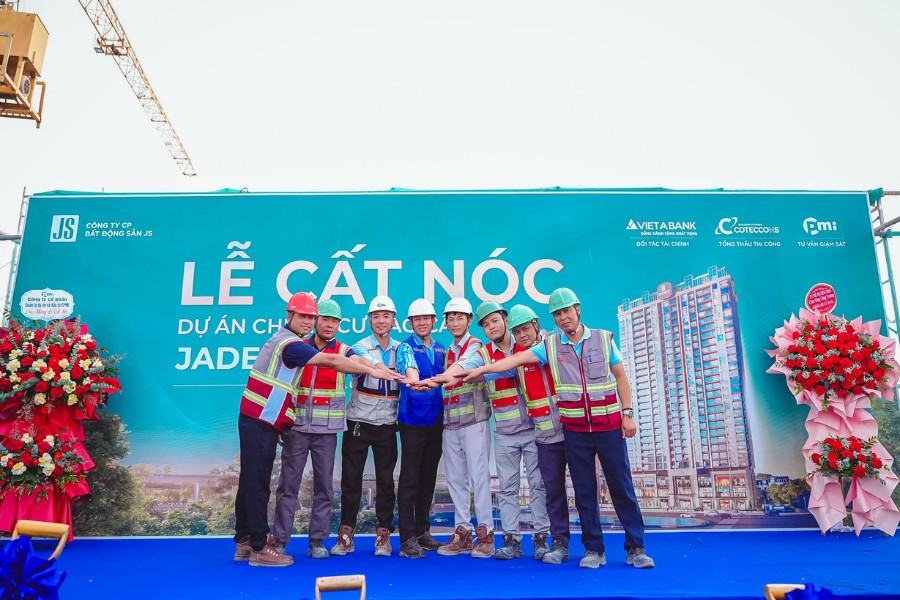
Real estate events can lose their business value when the planning team focuses heavily on appearance but does not connect the event with the property and sales process.
Choosing an event format without a clear business goal. A visually impressive launch will not solve the problem if the event does not bring the right audience or create a clear path to the next sales step.
Overloading the event with sales content. Attendees need useful project information and enough time to ask questions. A program made up almost entirely of sales presentations can make it difficult to create a meaningful experience.
Using a venue that does not fit the property experience. A venue may look attractive but still have poor access, limited parking, weak technical conditions, or insufficient space for product displays and consultations.
Failing to prepare accurate project information. Sales teams, presenters, brochures, screens, and project displays should use consistent and approved information. Conflicting details can create unnecessary questions and reduce trust.
Ignoring the attendee journey. Registration, seating, project viewing, consultation, refreshments, and departure should form a logical flow. Crowded registration areas or unclear movement between activities can affect the overall experience.
Treating lead collection as an afterthought. Without a clear process for recording attendee information and assigning follow-up responsibilities, valuable sales opportunities can be lost after the event.
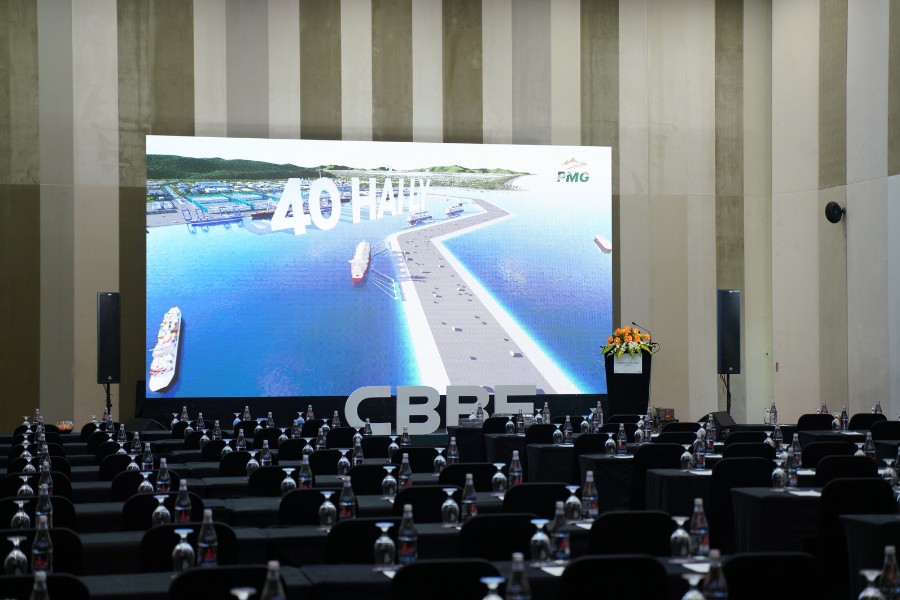
Event Crew provides end-to-end real estate event services in Vietnam, handling the planning and execution of events from concept development to onsite operation. Our team coordinates key elements including event planning, venue setup, stage and audiovisual production, branding, guest reception, program operation, photography, videography, and post-event support.
With many years of experience in event organization, Event Crew has a skilled team familiar with the practical demands of property launches, project kick-offs, conferences, investor events, open houses, and client programs. We work closely with the client's marketing and sales teams to turn project information and business objectives into a structured event experience.
From a small property viewing to a large-scale project launch, Event Crew provides an integrated solution that keeps production, guest experience, and event operations coordinated throughout the project.
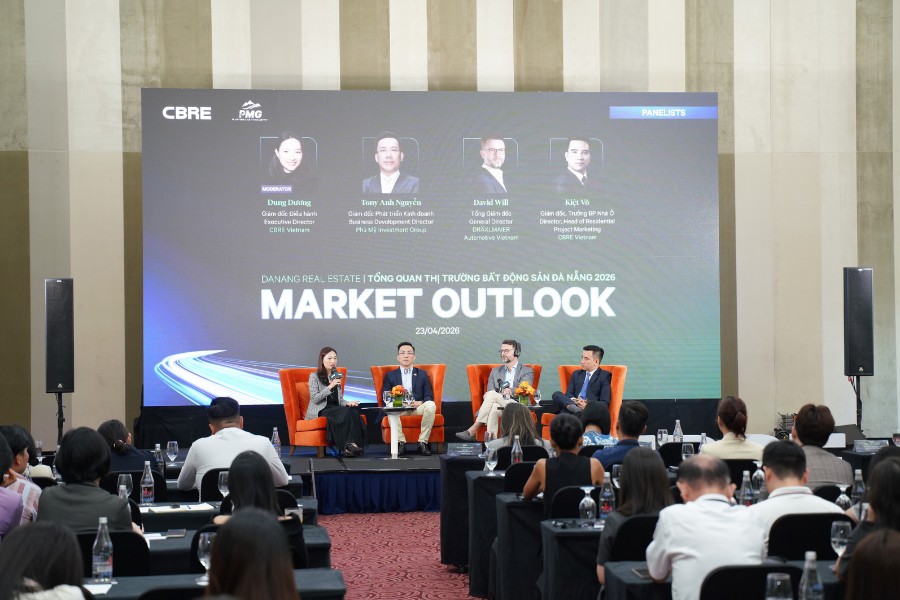
Danang Real Estate - Tổng quan thị trường Bất động sản Đà Nẵng 2026 - Market Outlook
Danang Real Estate – Overview of the Da Nang Real Estate Market in 2026 - Market Outlook organized by Event Crew
A professional real estate event should connect three elements: the property, the attendee experience, and the business objective. Clear planning helps the organizing team choose the right format, prepare accurate project information, manage event logistics, and create a practical path from event attendance to sales follow-up. Contact us today for expert advice on the right real estate event solution for your needs.