

NEWS

A project kickoff can quickly become a meeting where people discuss the project without reaching a clear understanding of what happens next. Unclear goals, missing stakeholders, and poorly prepared materials can lead to confusion from the very beginning. This guide explains how to prepare and run a project kickoff meeting, from defining project expectations to assigning responsibilities and addressing potential risks in advance. Let's dive in!
A project kickoff is the first formal meeting held at the start of a project. It brings the project team and relevant stakeholders together to establish a shared understanding of the project's goals, scope, timeline, responsibilities, and expected outcomes.
Unlike a regular project meeting, a kickoff sets the working direction for the entire project. It gives participants a clear starting point and creates an opportunity to resolve major questions before the team begins detailed execution.
For businesses, a well-prepared kickoff can help reduce misunderstandings between departments, align expectations with clients, and establish clear communication from the start. It also gives project managers a chance to identify potential issues early instead of waiting until they affect the project schedule or deliverables.

The format of a project kickoff depends mainly on who needs to be aligned and how the project will be managed. Understanding the differences helps organizers invite the right participants and prepare relevant content for the meeting.
An internal project kickoff is held within the organization, usually involving the project manager and employees from the departments responsible for delivering the project.
The meeting focuses on internal alignment, including project goals, work assignments, deadlines, communication methods, and team responsibilities. It is commonly used when a company launches a new internal initiative, marketing campaign, technology project, or operational project.
Because the participants already work within the same organization, the discussion can focus more deeply on execution details and coordination between team members.
A client or stakeholder project kickoff brings the internal project team together with the client, sponsor, partner, or other key stakeholders.
The main purpose is to make sure everyone has the same understanding of the project's objectives, scope, deliverables, timeline, and approval process. It is particularly useful for agency projects, consulting work, technology implementation, and other projects delivered for an external organization.
The organizer should give particular attention to decision-making roles and communication channels. Participants need to know who provides information, who approves deliverables, and who should be contacted when issues arise.

A cross-functional project kickoff involves people from different departments or specialist teams who need to work together to deliver the same project.
For example, a product launch may involve marketing, sales, product, design, technology, and operations teams. Each group may have different responsibilities and priorities, so the kickoff needs to establish how their work connects.
The meeting should clarify dependencies between teams, key handoff points, shared deadlines, and communication responsibilities. This helps prevent one team's delay or missing information from affecting another team's work.
Good preparation starts before the meeting invitation is sent. The organizer should have the key project information ready and make sure participants know what they need to understand, discuss, or decide during the kickoff.
Start by defining what the project is expected to achieve and why it matters to the organization. The goal should be specific enough for participants to understand the intended result rather than simply describing the activity.
It is also useful to identify the expected outcomes of the kickoff itself. For example, the team may need to confirm the project direction, agree on responsibilities, approve the initial timeline, or identify issues that require further discussion.
A clear distinction between project goals and kickoff outcomes keeps the meeting focused on decisions and alignment.

Before the kickoff, prepare a clear summary of what the project includes and where its boundaries lie. The team should understand the main work areas, expected deliverables, key milestones, and target completion dates.
If some requirements are still being finalized, mark them clearly instead of presenting assumptions as confirmed information. This gives participants a chance to raise questions before the project moves into execution.
The timeline should also show important dependencies and deadlines that may affect other teams or stakeholders.
Prepare a participant list based on the actual project structure rather than inviting everyone who may have an interest in the project. Each key role should have a clear purpose for attending.
During preparation, define who leads the project, who owns specific workstreams, who provides specialist support, and who has approval authority. This information can then be presented during the kickoff so that participants know who is responsible for each area.
Clear ownership is especially important for projects involving several departments or external stakeholders.

Build the agenda around the decisions and information participants need at the start of the project. A practical kickoff agenda may cover the project background, goals, scope, deliverables, timeline, team roles, communication process, risks, and next steps.
Prepare only the materials needed to support these discussions. Depending on the project, this may include a project brief, timeline, scope document, presentation, team structure, initial requirements, or risk list.
Send essential materials to participants before the meeting when they need time to review them. This allows the kickoff to focus on discussion and decisions instead of reading documents together.
Ask key participants to identify questions or concerns before the kickoff, particularly when the project involves complex requirements, multiple teams, or external stakeholders.
Review these points and group them into topics such as scope, resources, timeline, technical requirements, approvals, or dependencies. Potential risks should also be identified early, together with the person responsible for monitoring or addressing each one.
Bringing these issues into the kickoff creates a more practical discussion and helps the team leave the meeting with clear actions rather than unresolved concerns.

A clear agenda helps keep the project kickoff focused and gives participants enough time to discuss important issues. The exact timing can vary by project size, but the following structure works well for a typical 60–90-minute kickoff meeting.
|
Time |
Agenda item |
Main content |
|
5 minutes |
Welcome and introductions |
Introduce the project team, key stakeholders, and meeting objectives |
|
10 minutes |
Project background |
Explain why the project is being launched, the business context, and the main problem or opportunity |
|
10 minutes |
Project goals and expected outcomes |
Confirm what the project needs to achieve and how success will be measured |
|
10 minutes |
Scope and deliverables |
Review what is included, what is outside the scope, and the main project deliverables |
|
10 minutes |
Timeline and milestones |
Present key dates, project phases, deadlines, and major dependencies |
|
10 minutes |
Roles and responsibilities |
Clarify project ownership, team responsibilities, approval roles, and key contacts |
|
10 minutes |
Working process and communication |
Agree on communication channels, meeting frequency, reporting process, and document sharing |
|
10 minutes |
Risks and open questions |
Discuss known risks, unresolved requirements, dependencies, and concerns raised by participants |
|
5 minutes |
Next steps |
Confirm immediate actions, owners, deadlines, and the next project meeting |
For a larger project, the agenda can include separate sessions for technical requirements, budget, resources, or stakeholder approvals. The organizer should avoid adding topics that do not require alignment at the kickoff stage.
A project kickoff checklist helps the organizer make sure the meeting produces clear decisions and actionable next steps rather than becoming a general discussion.
Before closing the kickoff, make sure the following points have been discussed and confirmed:
Not every detail needs to be finalized during the kickoff. When a decision cannot be made immediately, assign an owner and a deadline for resolving it instead of leaving the issue without follow-up.

The project manager should turn the discussion into a clear record while the information is still fresh. The meeting notes should normally include:
Share the meeting summary with relevant participants after the kickoff and keep it with the main project documents. This gives the team a common reference point when questions arise during execution.
A kickoff can lose its value when the meeting focuses too much on presentations and not enough on alignment. Several problems are particularly common.

Event Crew provides end-to-end project kickoff organization for businesses that need a professional setup, smooth event operations, and clear coordination from preparation to completion. Our team can support the full process, from planning the event format and agenda to venue setup, stage and audiovisual production, guest coordination, onsite operation, and post-event support.
With many years of experience in event organization, Event Crew has a skilled team that understands the practical requirements of corporate meetings and project kickoff events. Based on the project's objectives and participant profile, our team can develop a suitable event setup and coordinate the required production elements.
Whether the kickoff is a small internal meeting or a larger event involving clients, partners, and multiple departments, Event Crew provides an integrated solution that helps the organizing team focus on the project content while the event operations are handled by an experienced crew.
Some project kickoff events organized by Event Crew for your reference:
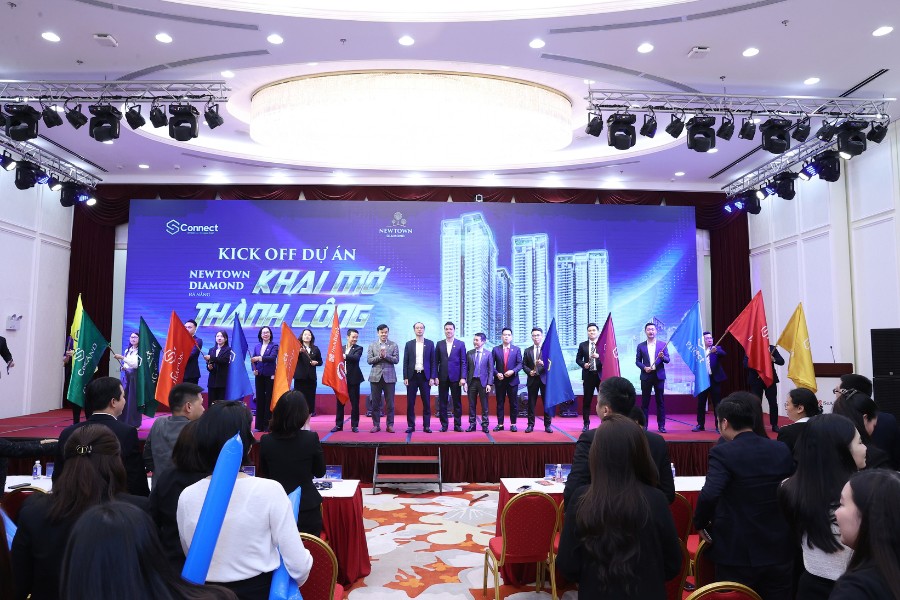
Kick off Dự án Newtown Diamond Đà Nẵng
Newtown Diamond Da Nang Project Kick-off

Sự kiện Kick-off Dự án Khu đô thị sinh thái LA Home – Khu vực Miền Bắc
Chủ đề “LA HOME: TÂM ĐIỂM DÒNG CHẢY – ĐÓN SÓNG HẠ TẦNG 2026”
LA Home Eco-Urban Area Project Kick-off – Northern Region
Theme: “LA HOME: THE FLOW’S FOCAL POINT – RIDING THE 2026 INFRASTRUCTURE WAVE”

Sự kiện kick-off của SVR
SVR Project Kick-off Event
A successful project kickoff starts with clear preparation. Defining the project goals, scope, responsibilities, agenda, risks, and expected decisions gives participants a shared direction before execution begins. With proper planning and professional event support, a project kickoff can create a clear and practical starting point for the entire project