

NEWS

Event project management means controlling budgets, deadlines, team responsibilities, and unexpected changes while keeping the entire project on track.
This guide explains how to build an event project management plan, manage the five stages of an event project, and solve common problems that can affect your event's success. Let's see the details!
Event project management is the process of planning, organizing, coordinating, and controlling all the work needed to deliver an event successfully. It treats an event as a project with clear goals, a defined budget, specific deadlines, and assigned responsibilities.
For example, when a company organizes a product launch, someone must coordinate the venue, production team, suppliers, speakers, and marketing activities. An event project manager connects these teams, tracks their progress, and makes sure they complete the work according to the approved plan.
Event project management covers the entire project, from the first discussion with stakeholders to the final report after the event.
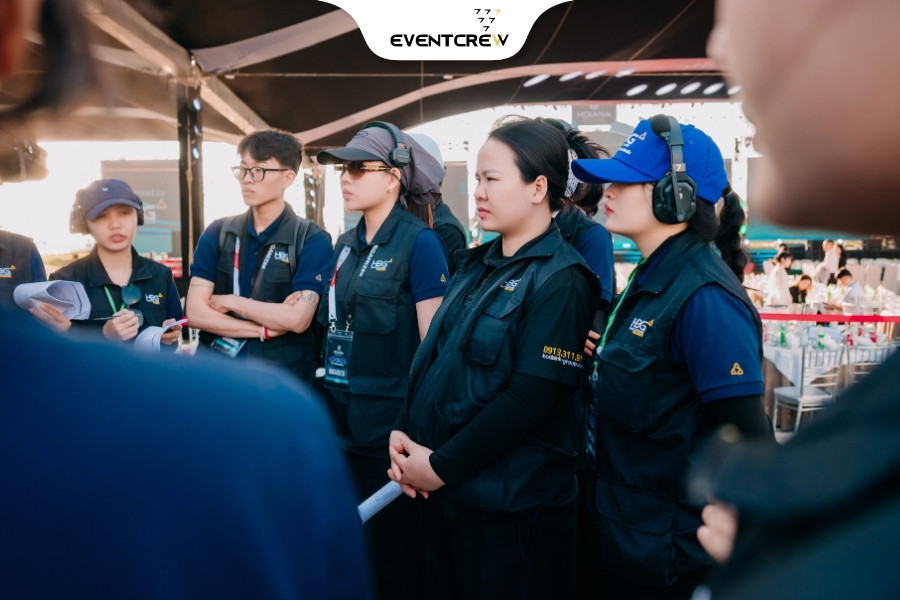
The main areas of management include:
The key difference between event planning and event project management is their focus. Event planning develops the event's activities and arrangements. Event project management also controls how the team delivers those arrangements, including who is responsible, when work must finish, and how the project handles changes.
Effective event project management helps prevent these problems through clear responsibilities and regular progress checks.
1. Keeps the event aligned with its objectives
A project manager connects daily decisions with the event's original goals. This helps the team prioritize activities that support the expected results instead of adding unnecessary work.
2. Controls costs and protects the budget
Every change can affect expenses. By tracking commitments, invoices, and approved changes, the project manager can identify budget risks before costs become difficult to control.
3. Improves coordination between teams and suppliers
Venues, caterers, technical teams, and decorators often work on different schedules. Project management brings their responsibilities and deadlines into one coordinated plan.

4. Reduces delays and last-minute problems
Regular progress reviews help identify unfinished tasks, missing approvals, and supplier delays. The team can then take action while there is still time to adjust.
5. Makes responsibilities and decisions clear
When everyone knows who owns each task and who can approve changes, the team can work faster and avoid confusion.
6. Supports consistent event quality
Project management creates checkpoints for important deliverables, such as stage construction, technical systems, guest services, and program readiness. These checks help the team meet agreed standards before the event begins.
In short, event project management gives organizers greater control over the work, costs, people, and decisions that determine whether an event succeeds.
An event project management plan is the main document that guides how your team will deliver the event. It connects project goals with the resources, responsibilities, schedules, and controls needed to achieve them.
Start by agreeing on what the event must achieve. Then translate those goals into specific project deliverables.
For example, a corporate conference may aim to host 300 participants, deliver six speaker sessions, and provide a professional experience for invited guests.
The project scope should identify the services and activities your team will manage. It should also state any exclusions to prevent misunderstandings later.
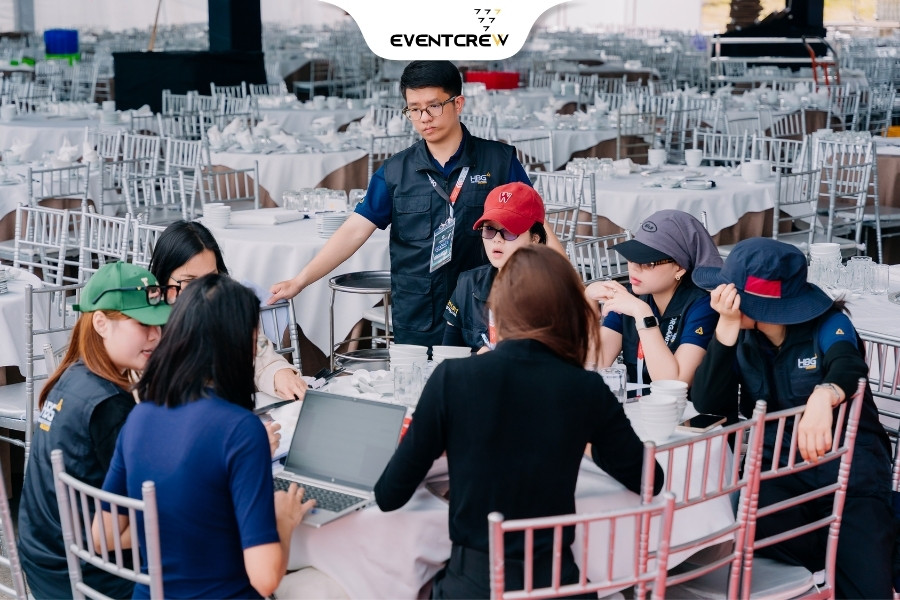
Key actions:
Expected output: An approved project brief and scope of work.
A clear scope is especially important when working with external suppliers. Without it, additional requests may increase costs or delay delivery.
Once the scope is clear, estimate the resources needed to deliver it.
Break the budget into categories and assign an estimated cost to each major activity. Include supplier fees, internal costs, taxes, transport, and other relevant expenses.
Budget management should also track money that the project has already committed, even if the supplier has not sent the final invoice.
Key actions:
Expected output: An approved budget baseline and resource allocation plan.
For example, if a supplier requests additional equipment, the project manager should review the cost, confirm whether it is necessary, and obtain approval before committing to the change.
An event team needs a clear structure, even when the project is small.
The project manager oversees overall delivery, while team leads manage specific areas. Each important task should have one person who is accountable for its completion.
For larger events, a responsibility assignment matrix, often called a RACI matrix, can help clarify who performs the work, who approves it, and who needs updates.
Key actions:
Expected output: A project organization chart and responsibility matrix.
Avoid assigning the same task to several people without naming a clear owner. Shared responsibility can make it difficult to identify who must take action when a deadline approaches.
Venue and supplier decisions affect the project budget, schedule, and technical requirements. These decisions should follow the approved scope rather than personal preference alone.
Review suppliers based on their ability to meet the project's needs, not simply their quoted prices.
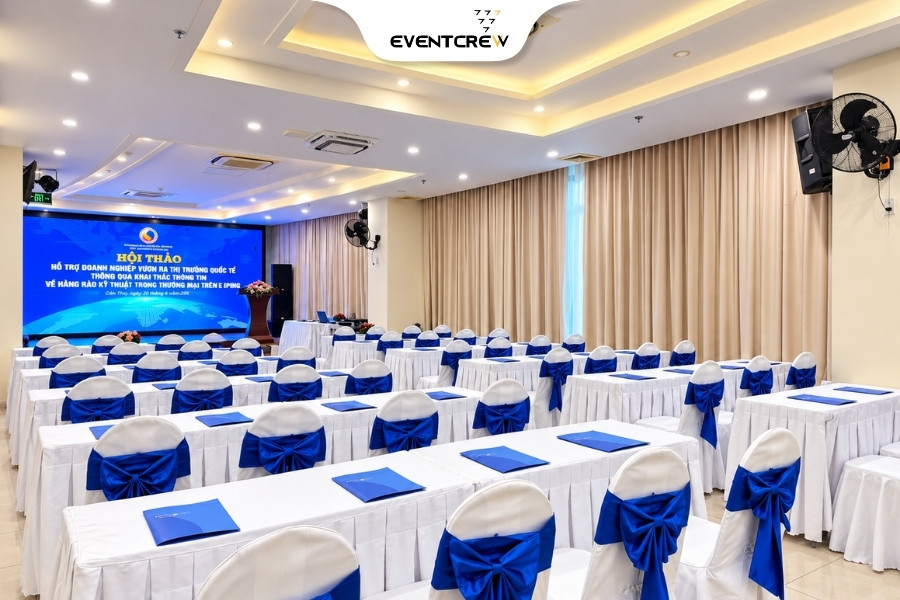
Key actions:
Expected output: A confirmed venue, supplier list, and procurement schedule.
For example, the stage contractor, lighting supplier, and LED screen provider may need to work in the same area. The project manager should agree on their installation sequence before work begins.
A project timeline shows when work starts, when it must finish, and which tasks depend on others.
Milestones are important checkpoints that indicate whether the project is ready to move forward. Examples include budget approval, supplier confirmation, final design approval, and completion of technical rehearsals.
Key actions:
Expected output: A project timeline with milestones, dependencies, and assigned owners.
A simple milestone plan might look like this:
|
Milestone |
Target date |
Responsible person |
|
Project scope approved |
8 weeks before event |
Event Owner |
|
Budget and key suppliers confirmed |
6 weeks before event |
Project Manager |
|
Event design approved |
4 weeks before event |
Creative Lead |
|
Final program and guest arrangements confirmed |
1 week before event |
Operations Lead |
|
Technical rehearsal completed |
1 day before event |
Production Lead |
|
Event delivery completed |
Event day |
Project Manager |
|
Final report submitted |
Within 1–2 weeks after event |
Project Manager |
These dates are examples. Your actual timeline should reflect the event's size, complexity, and approval process.
Every event project involves uncertainty. Suppliers may deliver late, costs may increase, speakers may cancel, or technical systems may fail.
Risk management helps the team identify these possibilities early and prepare practical responses.
Start with a risk register that records each risk, its potential impact, the person responsible, and the planned response.

Key actions:
Expected output: A risk register and contingency plan.
Example:
|
Risk |
Possible impact |
Response |
|
Stage supplier delivers late |
Delayed installation and rehearsal |
Confirm progress checkpoints and prepare an alternative supplier option |
|
Speaker cancels |
Gap in the event program |
Prepare a replacement speaker or alternative session |
|
Equipment failure |
Program interruption |
Test systems and arrange critical backup equipment |
|
Unexpected cost increase |
Budget overrun |
Require approval for changes and use the contingency reserve when justified |
|
Bad weather |
Outdoor activities disrupted |
Prepare an indoor venue or alternative layout |
A contingency plan should name the person who can activate each response. Without clear authority, the team may lose valuable time waiting for decisions.
Event projects involve different stakeholders, including clients, management, sponsors, suppliers, and internal teams.
They do not all need the same information. Senior decision-makers may want budget and milestone updates, while vendors need detailed schedules and technical instructions.
Create a communication plan that defines what information each group receives, how often they receive it, and who sends it.
Key actions:
Expected output: A stakeholder communication plan and reporting schedule.
For example, the project manager may send a weekly progress report during early preparation and hold daily coordination meetings in the final days before the event.
The most important rule is to maintain one approved version of key documents. If different teams work from different schedules or floor plans, even a well-prepared project can face serious coordination problems.
The event project management lifecycle describes how a project moves from the first idea to final completion.
While the project management plan explains how the work will be managed, the lifecycle explains when different management activities take place.
Initiation determines whether the proposed event is clear, realistic, and worth moving forward with.
At this stage, the event owner and project manager discuss the business purpose, expected results, estimated budget, target audience, and major constraints.
The team may also carry out an initial feasibility review. For example, they need to know whether a suitable venue is available, whether the proposed date is realistic, and whether the budget can support the expected event scale.
Main management activities:
Main deliverable: An approved project charter or event brief.
The project should not move into detailed planning until stakeholders agree on its basic direction.

Planning turns the approved event concept into a practical delivery plan.
The project manager organizes the work into smaller activities, assigns responsibilities, develops schedules, and establishes budget controls. Supplier requirements, quality standards, and risk responses also become more detailed.
This stage creates the reference documents that the team will use throughout delivery.
Main management activities:
Main deliverable: An approved event project management plan.
A strong plan makes the project easier to control, but it should remain flexible enough to handle approved changes.
Execution is the stage where the team carries out the approved work.
This includes coordinating suppliers, producing event materials, managing venue preparation, arranging logistics, and delivering the event program.
The project manager focuses on making sure different teams complete their responsibilities in the correct sequence.
Main management activities:
Main deliverable: Completed project work and successful event delivery.
During execution, clear communication is essential. A change in one workstream may affect several other teams, so the project manager must coordinate the response.
Monitoring and controlling takes place alongside execution and, in practice, throughout much of the project.
The purpose is to compare actual progress with the approved plan and take corrective action when necessary.
For example, if stage installation is two days behind schedule, the project manager must assess whether the delay will affect rehearsals and identify a realistic recovery plan.
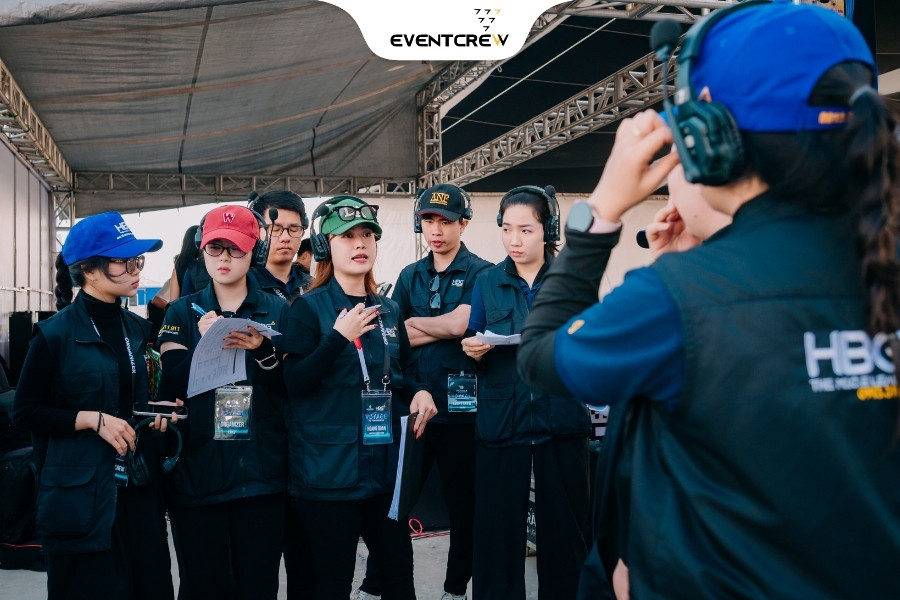
Main management activities:
Main deliverable: Updated project status reports, issue records, and approved corrective actions.
Monitoring does not mean checking every minor detail personally. The project manager should focus on activities that affect the project's objectives, deadlines, costs, and overall quality.
Closure begins when the event ends and the team starts completing the remaining project obligations.
The project manager verifies that suppliers have finished their work, confirms equipment returns, closes payments, and prepares the final report.
Evaluation then determines whether the event achieved its original objectives.
Main management activities:
Main deliverable: A closed project with a final performance and financial report.
A proper closure process gives the organization useful information for future events and helps prevent unresolved costs or supplier disputes.
The table below outlines common challenges and practical ways to address them.
|
Challenge |
How it affects the project |
Practical solution |
|
Unclear project scope |
Stakeholders request extra work that was not included in the original budget or schedule. |
Document deliverables and exclusions. Review the impact of every major change before approval. |
|
Budget overruns |
Additional supplier charges and late decisions increase total costs. |
Track committed and actual spending. Set approval limits and maintain a contingency reserve. |
|
Missed deadlines |
Delayed approvals or deliveries affect dependent tasks. |
Use a milestone schedule, identify critical dependencies, and review progress regularly. |
|
Poor vendor coordination |
Suppliers arrive at the wrong time, duplicate work, or interfere with other teams. |
Assign one coordination lead and maintain a shared installation and delivery schedule. |
|
Unclear team responsibilities |
Important tasks remain unfinished because no one takes ownership. |
Assign one accountable owner to each task and define decision-making authority. |
|
Slow stakeholder approvals |
Designs, contracts, and production activities cannot move forward. |
Set approval deadlines and identify authorized decision-makers early. |
|
Frequent last-minute changes |
Changes disrupt schedules, budgets, and supplier arrangements. |
Use a change request process that reviews cost, timing, and operational impact. |
|
Limited project visibility |
Management discovers problems too late to respond effectively. |
Maintain a shared dashboard showing milestones, budget status, risks, and open issues. |
|
Unexpected operational problems |
Technical failures, supplier delays, or safety incidents interrupt delivery. |
Maintain a risk register, prepare backup options, and assign clear escalation procedures. |
|
Weak post-event evaluation |
The organization cannot measure results or improve future projects. |
Define success criteria before the event and complete a structured final report. |
Consider a company organizing a conference for 300 attendees. Three days before the event, management requests an additional discussion session.
Without a clear project management process, the team may immediately update the agenda. However, the change could affect speaker schedules, room availability, catering times, and technical arrangements.
An event project manager should follow a controlled process:
This process helps the organizer make informed decisions rather than reacting to changes without understanding their consequences.
The goal of event project management is not to prevent every change. It is to make sure changes remain controlled and the project continues to meet its objectives.

Successful event project management requires more than a detailed event plan. A structured management process helps teams work together, make timely decisions, and deliver events that meet agreed objectives.
For businesses that want professional support, Event Crew offers end-to-end event organization services. With extensive industry experience and skilled personnel across project coordination, event production, technical operations, and on-site management, Event Crew supports the complete event delivery process.
Instead of managing multiple suppliers independently, businesses can work with Event Crew through a single point of contact for planning, coordination, and execution.
Contact Event Crew to discuss your event requirements and receive a tailored event management proposal.
----------------------------------------
EVENT CREW
WhatsApp/Zalo/Viber/Hotline: (+84)939 311 911 - (+84)913 311 911
https://eventcrew.asia/
info@hoabinh-group.com