

NEWS

Planning an event involves many tasks, from setting a budget and booking vendors to managing guests and running the program. Without a clear plan, it is easy to miss important details, especially when working with several service providers.
This event planning checklist covers everything you need to prepare before, during, and after an event. Use it to organize tasks, track progress, coordinate vendors, and make sure your event runs smoothly.
An event planning checklist is a list of tasks that must be completed to organize and deliver an event. It helps event organizers manage responsibilities, deadlines, budgets, and service providers in one place.
A well-structured checklist is especially useful when different vendors handle the venue, catering, decoration, audiovisual equipment, and entertainment. Each provider may complete their own work, but someone must make sure all services work together.
Using a checklist helps you:
The checklist should be a working document, not just a list created at the beginning. Update it whenever a task is completed, a deadline changes, or a new issue appears.
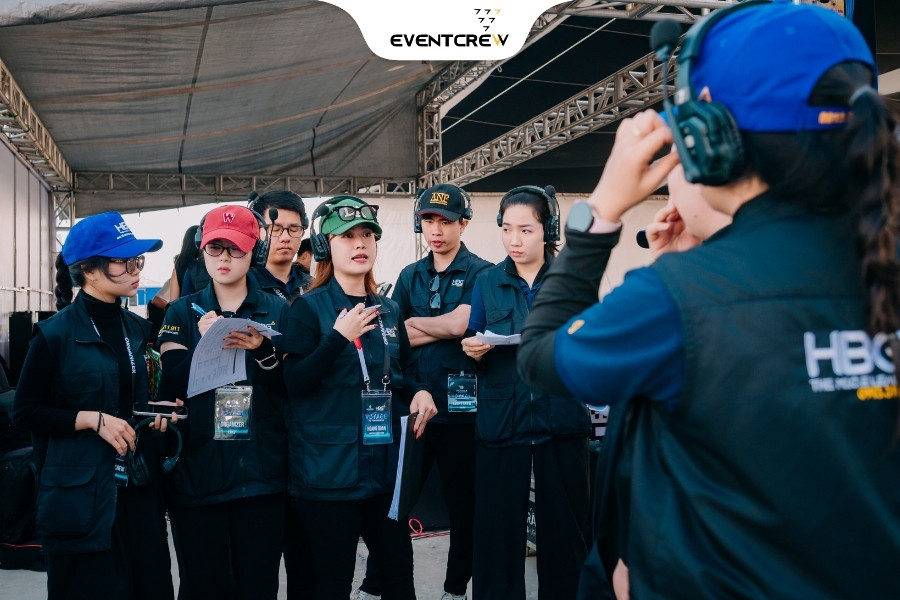
The preparation stage has the greatest impact on how smoothly an event runs. Before signing contracts or ordering equipment, confirm the event's purpose, budget, audience, and main requirements.
The following checklist covers 15 important areas to review before event day.
Start by identifying why the event is being organized and what a successful result should look like. Your goals will guide decisions about the venue, program, budget, and guest experience.
For example, a product launch may focus on media coverage and potential customers, while a corporate conference may prioritize attendance, professional presentations, and networking.
Checklist:
A clear budget helps you decide what is affordable and where to spend your money. Estimate the total cost before booking major services, then divide it into specific categories.
Remember to include taxes, delivery charges, setup fees, overtime, and possible additional expenses. These costs can become significant when several vendors are involved.
Checklist:

The right venue should support your event format, guest capacity, technical requirements, and overall budget.
Before making a booking, visit the location whenever possible. Photos may not show important details such as loading access, power supply, backstage space, or guest movement.
Checklist:
Even a small event needs clear ownership of each task. Without defined responsibilities, teams may repeat the same work or assume someone else is handling it.
Appoint an event manager or main coordinator who can oversee the entire project and communicate with all vendors.
Checklist:
An event program explains what guests will experience. A detailed production schedule explains how the team will deliver that experience.
Both are necessary. For example, a 15-minute presentation may require extra time for speaker preparation, microphone changes, and presentation loading.
Checklist:
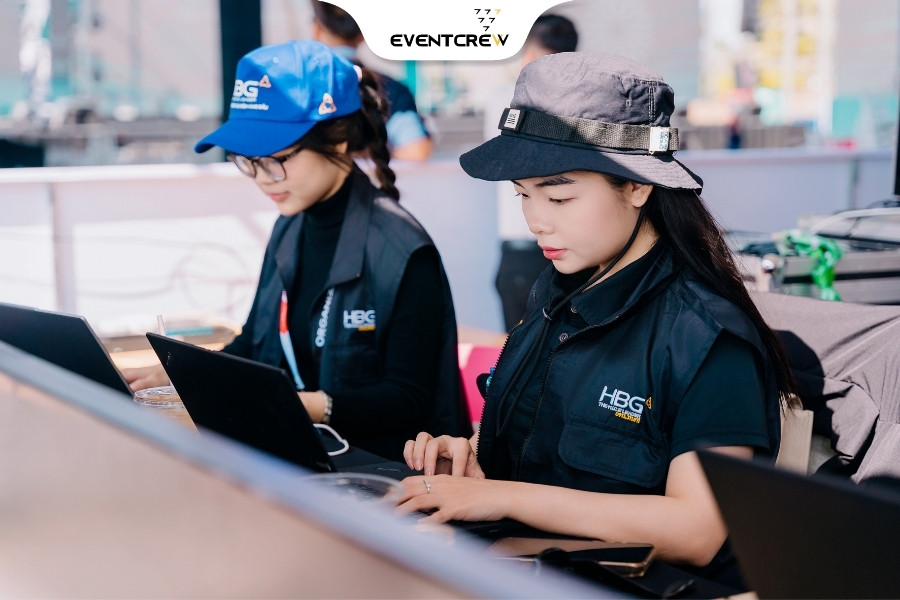
Guest management starts long before attendees arrive. Accurate registration information helps you plan seating, catering, security, and check-in.
For events involving VIP guests or multiple attendee groups, separate guest categories early to avoid confusion on event day.
Checklist:
Working with several vendors requires more than comparing prices. Each provider must understand the event schedule, delivery conditions, technical requirements, and other teams involved.
Pay particular attention to services that depend on each other. For instance, the stage contractor must coordinate with the LED screen and lighting suppliers before installation begins.
Checklist:
Food and beverage planning should reflect the event duration, audience, and venue conditions. A short seminar may only need refreshments, while a full-day conference may require several meal services.
Guest numbers are important, but service timing and available space also affect the experience.
Checklist:

Speakers and performers need clear information about their roles, schedules, and technical requirements. Confirm these details early to avoid changes during the event.
Attendee activities should also support the event's goals rather than simply fill empty time.
Checklist:
Audiovisual problems can interrupt presentations, delay the program, and affect the audience experience. Build your equipment list around the actual event format and venue.
For hybrid events, internet stability, camera coverage, and audio quality need extra attention.
Checklist:
Event branding should make the venue easy to recognize and navigate. It also helps create a consistent experience across invitations, registration areas, stages, and presentation materials.
Finalize designs before production begins, especially when printed materials and stage structures come from different suppliers.
Checklist:
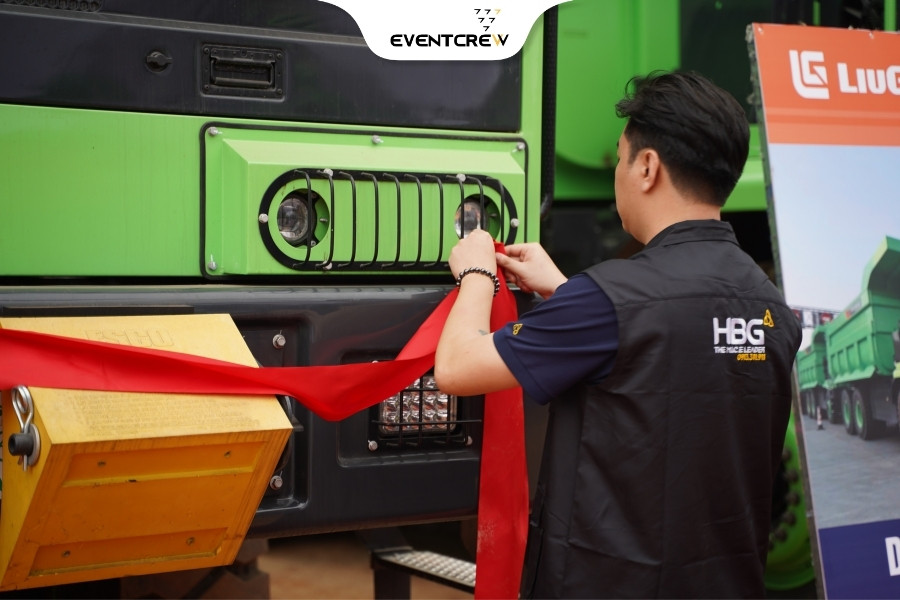
For events that require public attendance, promotion should begin early enough to attract the right audience. Internal corporate events may need a simpler communication plan focused on invitations and reminders.
Choose channels based on where your target attendees are most likely to see the information.
Checklist:
Logistics connects all the event's moving parts. Deliveries, equipment installation, staff arrival, guest transport, and venue access must follow a coordinated schedule.
A common problem is having several suppliers arrive at the same loading area without assigned time slots.
Checklist:
Not every problem can be prevented, but the team should know how to respond when something changes.
Focus on realistic risks that could affect safety, guest experience, or the event schedule. Assign someone to make decisions quickly when an issue occurs.
Checklist:
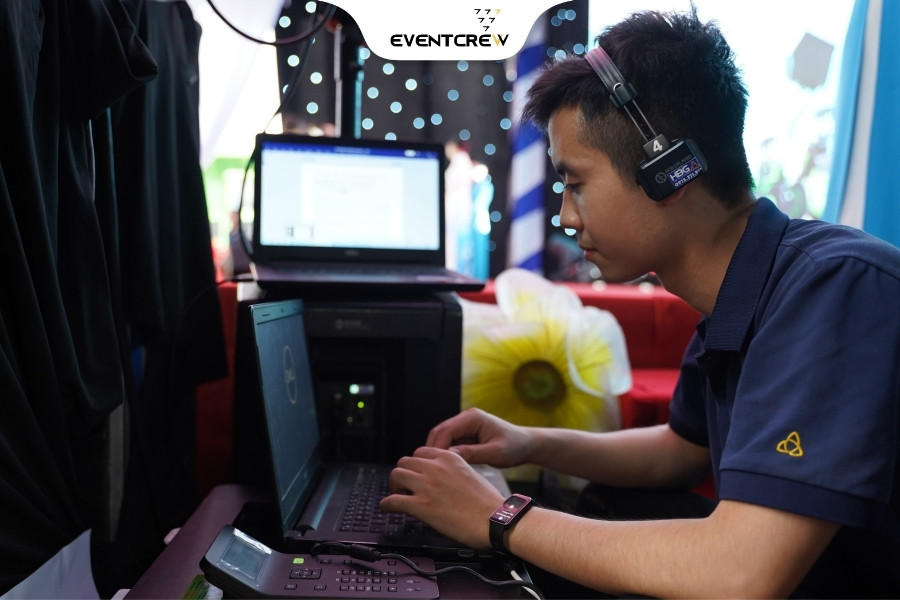
The final preparation stage is about verification, not creating new plans. Every major item should have an owner, a confirmed status, and supporting information.
A final coordination meeting helps identify gaps between teams and vendors.
Checklist:
On event day, the focus shifts from planning to execution. Use the following checklist during venue setup, rehearsals, guest arrival, and the live program.
Arrive before vendors begin work and inspect the venue against the approved layout. Check that installation areas are accessible and the setup sequence is clear.
Checklist:
Walk through the venue as if you were an attendee arriving for the first time. Important information should be easy to find without asking staff for directions.
Checklist:
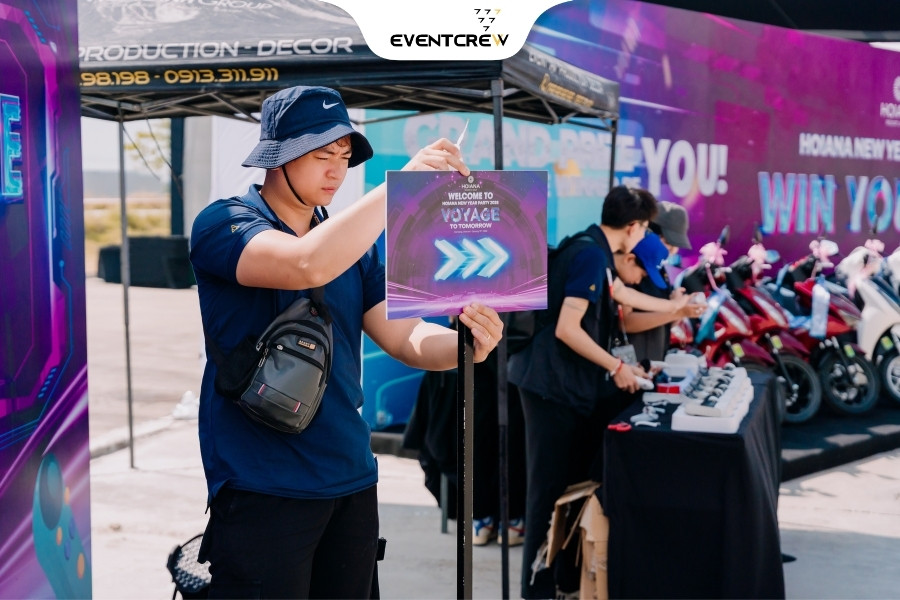
A full technical check should include actual presentation files, microphone use, video playback, and transitions between program segments.
Do not rely only on the fact that individual devices can turn on.
Checklist:
Registration is often the first direct interaction between attendees and the event team. Keep the process simple, organized, and easy to understand.
Checklist:
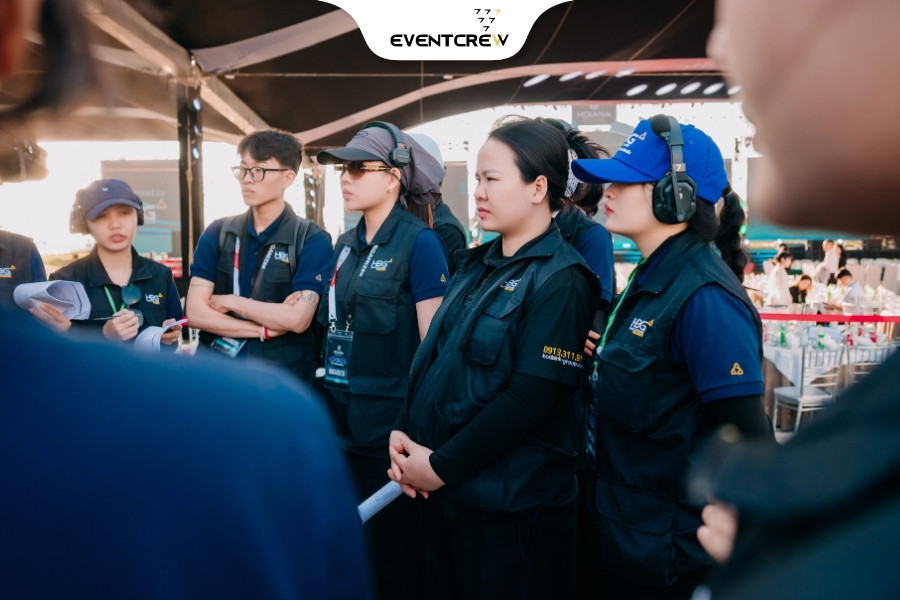
Before doors open, gather the key teams for a short operational briefing. Everyone should know the program, their assigned area, and who to contact when something goes wrong.
Checklist:
Speakers and performers should be ready before their scheduled appearance. Assign a backstage coordinator to manage arrivals, waiting areas, and stage transitions.
Checklist:

Food service must match the live event schedule. If a session runs late, catering teams should receive an update before service begins.
Guest service staff should also be ready to answer questions and assist attendees throughout the program.
Checklist:
The event manager should work from one approved run of show and communicate changes to all relevant teams.
When a session is delayed, check how the change affects catering, speakers, transportation, and the venue schedule.
Checklist:
Safety remains a priority even when the program is running behind schedule. Staff must know when to stop an activity, contact emergency services, or follow venue procedures.
Checklist:
Photos, videos, and attendee feedback are valuable for reporting and future marketing. The media team should follow the program closely so important moments are not missed.
Checklist:
An event is not finished when the last guest leaves. Equipment must be returned, suppliers must be paid, and results should be reviewed.
Completing these tasks properly helps protect the budget, maintain vendor relationships, and improve future events.
Start breakdown only when it is safe and the venue allows it. Coordinate suppliers to avoid damage, missing equipment, or delays.
Checklist:
Compare actual spending with the approved budget before closing the project. Check every invoice against the contract and confirmed services.
Checklist:
Attendee feedback shows which parts of the event worked well and where improvements are needed. Keep surveys short and focused on the experience you want to measure.
Checklist:
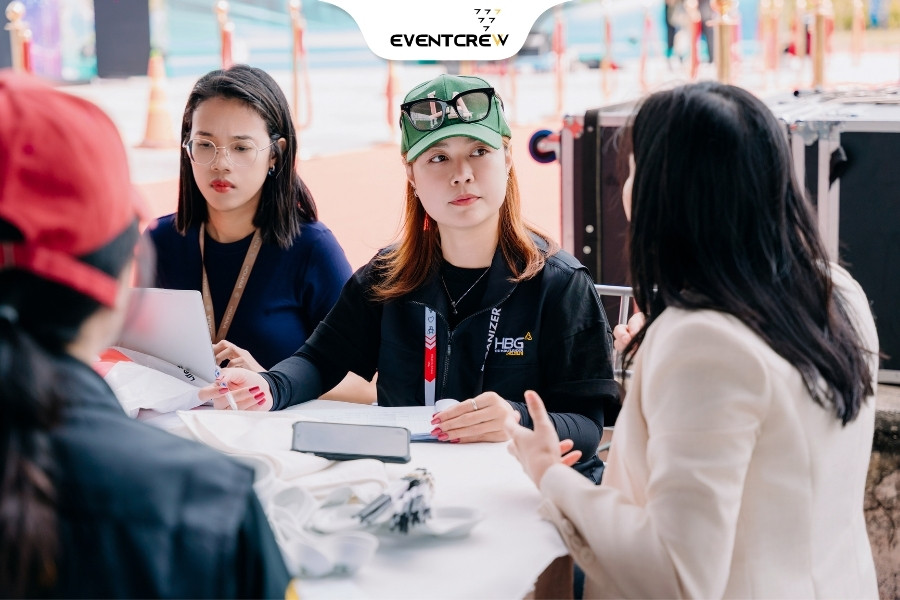
Use the goals defined before the event to evaluate its results. Attendance alone may not show whether the event achieved its purpose.
Choose metrics that match the event type, such as qualified leads for a product launch or attendee satisfaction for a conference.
Checklist:
Post-event content helps extend the value of an event and provides useful material for attendees, partners, and internal teams.
Check approvals before publishing photos, videos, quotations, or sensitive information.
Checklist:
A post-event report should explain what happened, what the event achieved, and how resources were used.
Make it useful for decision-makers by focusing on measurable results and important operational findings.
Checklist:
A short review meeting can prevent the same problems from happening again. Include representatives from planning, operations, technical production, and guest services.
Focus on practical improvements rather than assigning blame.
Checklist:
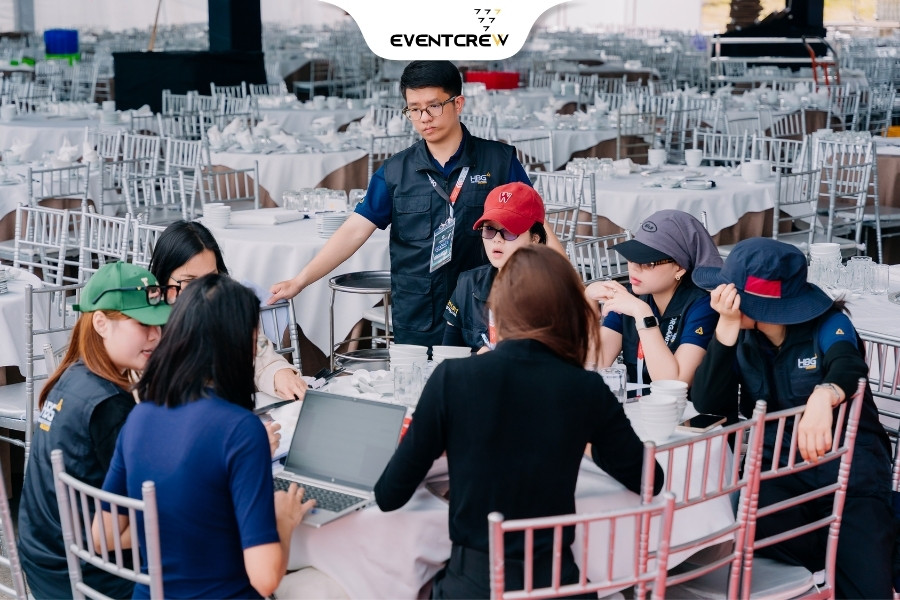
A complete checklist is only useful when it is updated and shared with the right people. To manage an event effectively, turn the checklist into a working task tracker rather than treating it as a one-time planning document.
1. Assign one owner to every task
Each task should have one person responsible for completing it, even when several teams are involved. For example, the event manager may oversee stage production, but a production lead should be responsible for confirming the final stage setup.
2. Set deadlines based on task dependencies
Some tasks cannot begin until others are completed. Stage production may depend on approved artwork, while catering quantities depend on the confirmed guest count. Identify these relationships early to prevent delays.
3. Use a simple status system
Mark tasks as Not Started, In Progress, Waiting for Approval, or Completed. Add a Blocked status when a task cannot move forward because of an unresolved issue.
4. Keep all important information in one shared document
Use a spreadsheet or project management tool to track tasks, deadlines, responsible persons, vendors, costs, and supporting files. This is especially important when several service providers are working independently.
A practical task tracker can use the following structure:
|
Task |
Owner |
Deadline |
Status |
Notes |
|
Confirm venue booking |
Event Manager |
[Date] |
Completed |
Contract signed |
|
Approve stage design |
Marketing Lead |
[Date] |
In Progress |
Waiting for final artwork |
|
Confirm catering quantity |
Guest Services Lead |
[Date] |
Waiting for Approval |
Final RSVP count required |
|
Test AV equipment |
Technical Lead |
[Date] |
Not Started |
Scheduled before rehearsal |
|
Complete staff briefing |
Operations Lead |
[Date] |
Not Started |
Event-day briefing |
5. Review the checklist more often as the event approaches
During early planning, weekly updates may be enough. In the final week, review critical tasks daily. On event day, use the approved run of show and a shorter operational checklist for live coordination.
6. Check results, not just completion status
A task marked “Completed” does not always mean it is ready. For example, receiving a backdrop is different from checking its size, print quality, and installation. Define what successful completion looks like for important tasks.
7. Keep one person responsible for overall coordination
When vendors work independently, problems often appear between their responsibilities. A single event manager should track these connections, resolve conflicts, and make sure every service supports the same schedule.
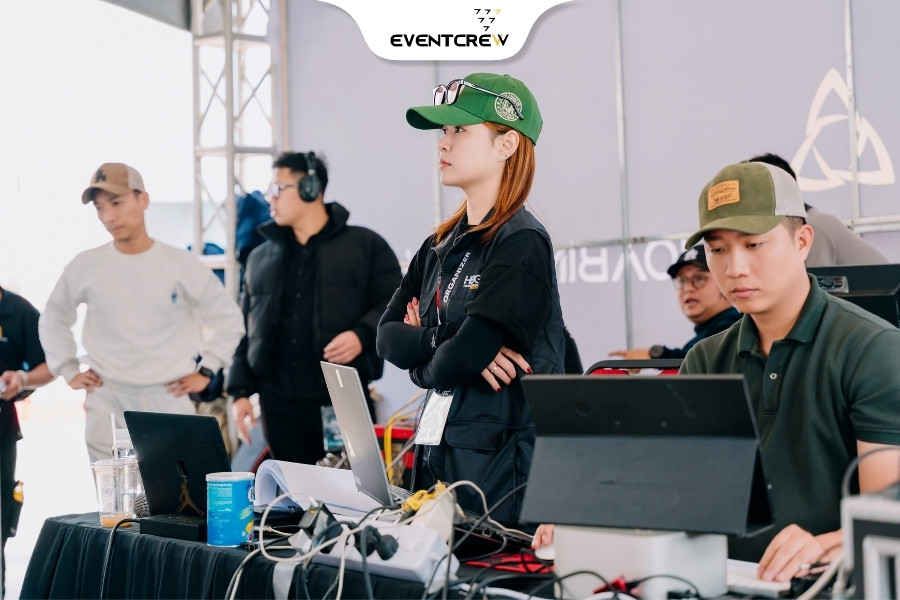
A detailed event planning checklist helps you organize tasks, control costs, coordinate vendors, and reduce the risk of missing important details. By following the checklist before, during, and after the event, you can manage the entire process with greater confidence.
However, managing multiple suppliers still requires time, technical knowledge, and experienced on-site coordination.
Event Crew provides end-to-end event planning and organization services for businesses and organizations seeking a more coordinated approach. With an experienced event team and skilled personnel across planning, production, technical setup, and on-site operations, Event Crew helps bring different event requirements together under one clear management process.
Instead of coordinating separate vendors on your own, you can work with Event Crew to plan and deliver your event through a single point of contact. Contact Event Crew to discuss your event requirements and request a tailored event proposal.
—-----------------------------------------------------------------------------------------
EVENT CREW
WhatsApp/Zalo/Viber/Hotline: (+84)939 311 911 - (+84)913 311 911
https://eventcrew.asia/
info@hoabinh-group.com