

NEWS

Planning a virtual event that keeps people interested from start to finish can be challenging. Explore these 30 virtual event ideas across 10 event types, along with practical tips to create an engaging online experience.
The following ideas show how you can design each event type around its audience, objectives, and activities.
Virtual conferences allow companies, professional associations, and industry organizations to bring speakers and attendees together without requiring everyone to travel. These events work particularly well when participants are based in different cities or countries.
For a successful virtual conference, the program should offer more than a series of online presentations. Organizers can create separate sessions for different topics, invite industry experts to discuss current challenges, and provide opportunities for attendees to connect with one another.
A clear agenda and reliable streaming system are essential for this format. Organizers should also consider time zones, speaker rehearsals, and session recordings to make the content accessible to a wider audience.
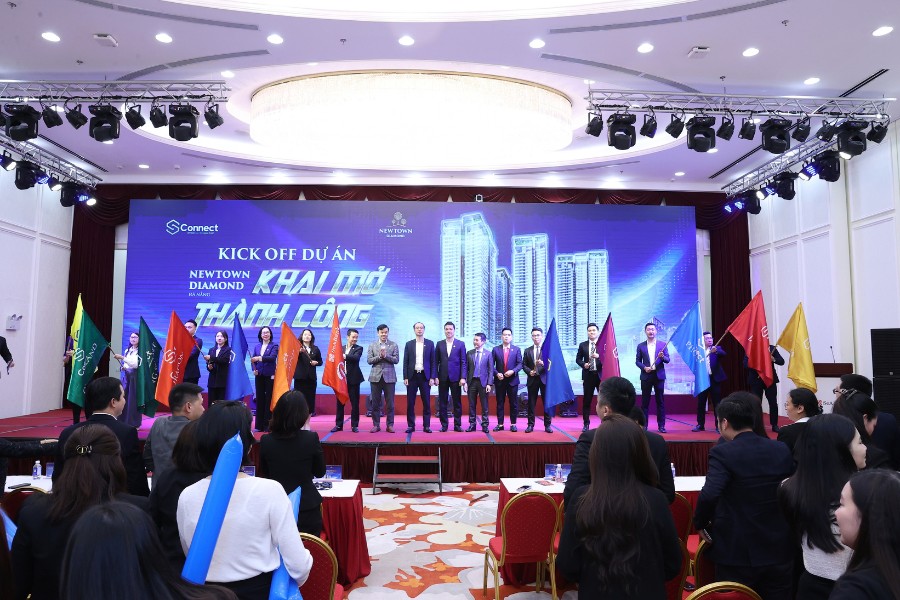
Online workshops and masterclasses are designed for people who want to learn a specific skill through practical instruction. Unlike conferences, these events usually involve smaller groups and require participants to complete activities during the session.
The most effective workshops focus on one clear learning outcome. Instructors can demonstrate a technique, guide participants through an exercise, and provide feedback before the session ends.
Organizers should send preparation instructions and any required materials before the event. Smaller groups, clear demonstrations, and dedicated practice time will help participants gain more value from the experience.
A virtual product launch allows a business to introduce a new product or service to customers, distributors, media representatives, and business partners in different locations.
The event should build interest around the product rather than simply deliver a sales presentation. High-quality visuals, live demonstrations, and a well-planned reveal can help the audience understand what makes the product valuable.
Businesses can choose from several launch concepts:
Webinars and expert panels are suitable for organizations that want to educate customers, discuss professional issues, or establish credibility in a specific field.
Three useful approaches include:
Virtual corporate celebrations help companies bring employees, partners, and guests together for important milestones, even when they cannot attend the same physical venue.
These events may celebrate a company anniversary, recognize business achievements, or mark the end of a successful year. Their main purpose is to create a shared sense of occasion and strengthen relationships.
Consider the following concepts:
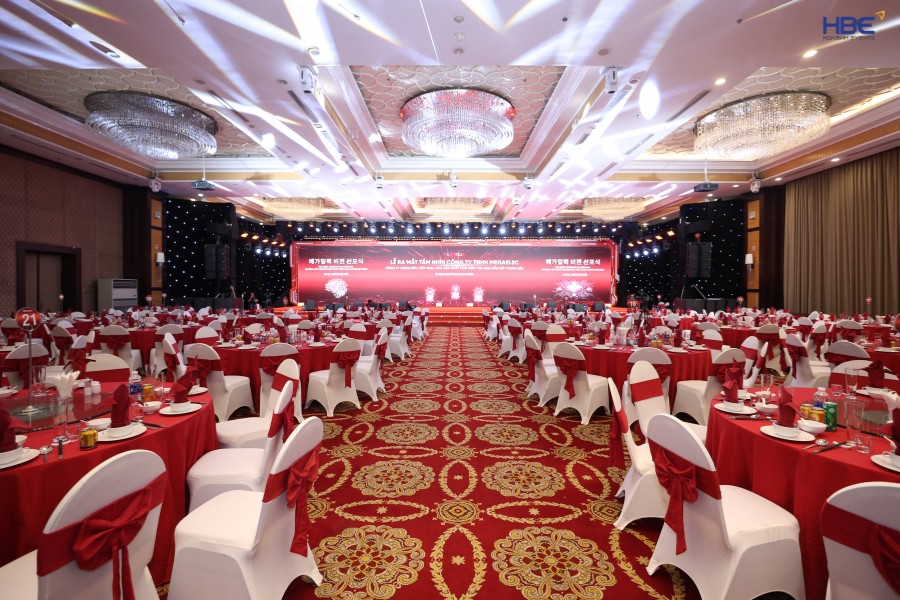
Employee recognition events focus specifically on appreciating individual contributions, team achievements, and positive workplace behaviors.
Unlike a general corporate celebration, this format places employees at the center of the program. The content should feel personal, sincere, and relevant to the people being recognized.
Companies can organize recognition activities such as:
Virtual concerts and entertainment programs offer audiences an enjoyable shared experience without requiring them to attend a physical performance venue.
Possible event concepts include:
Sound quality deserves particular attention because poor audio can quickly reduce the enjoyment of a live performance. Organizers should also confirm music rights, performance permissions, and streaming platform requirements before the event.
Virtual training sessions help businesses deliver structured learning to employees, partners, and professional groups across multiple locations.
While workshops often focus on a single practical activity, professional training programs may involve several learning modules, assessments, and follow-up resources. The event format should support measurable learning outcomes.
Organizations can consider these training ideas:
Virtual trade shows allow exhibitors to introduce products, share business information, and connect with potential customers through an online exhibition environment.
These events are especially useful for industries with geographically dispersed buyers and suppliers. Instead of walking through physical booths, visitors explore digital exhibition spaces and interact with company representatives.
Three possible formats include:
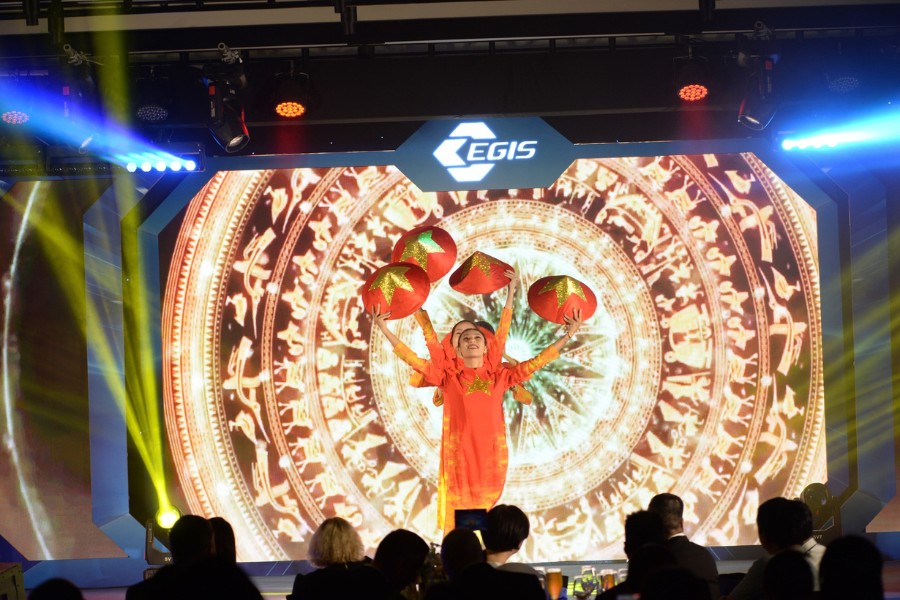
Hybrid events combine a physical venue with online participation, allowing organizations to reach both local and remote audiences through one coordinated program.
However, a hybrid event should not simply broadcast everything happening on stage. Remote participants need their own opportunities to interact, ask questions, and feel included in the experience.
Event planners can explore these concepts:
Hybrid events require careful coordination between the venue production team and the online event team. Separate audience monitoring, clear communication channels, and reliable backup connections help ensure that both groups receive a consistent experience.
Even a well-designed virtual event can lose its audience if participants spend too much time watching without interacting. Event organizers should plan engagement activities around the program's purpose rather than adding them simply to fill time.
Live polls and Q&A sessions allow attendees to contribute to the conversation instead of remaining passive viewers.
Interactive chat is also useful for sharing comments and reactions. However, the event team should assign a moderator to monitor discussions, respond to technical concerns, and keep conversations appropriate.
The most effective questions are directly related to the content being presented. Polls and chat activities should help participants understand the topic or express their opinions, not interrupt the natural flow of the program.
Breakout rooms create smaller discussion spaces where attendees can communicate more comfortably than they might in a large virtual session.
During an industry conference, organizers can divide participants into groups based on professional interests. In a training program, each group may receive a case study to discuss before presenting its findings. Virtual networking sessions can also connect participants who share similar business goals.
To make these activities productive, every breakout room should have a clear topic, an appropriate number of participants, and a defined time limit.
A facilitator or group leader can help guide the conversation, especially when participants have not met before. After the discussion, organizers may invite groups to share key insights with the wider audience.
Gamification introduces game-like elements that encourage attendees to participate throughout the virtual event.
For example, organizers can award points when participants answer quiz questions, complete learning activities, or visit different virtual exhibition booths. A leaderboard can display progress, while small rewards can recognize participation.
In a virtual trade show, visitors might complete a challenge by exploring selected exhibitor booths and answering product-related questions. During employee training, teams can earn points by solving practical business scenarios.
The rules should remain simple, and participation should be optional when appropriate. Rewards do not need to be expensive; recognition, certificates, or modest gifts can be enough to encourage involvement.
Most importantly, the activities should support the event's objectives rather than distract participants from the main content.
Long periods of uninterrupted presentation can make it difficult for online audiences to maintain attention, especially when they are joining from their homes or workplaces.
A balanced event agenda should combine informative content with opportunities to respond, discuss, or participate in activities.
For example, a 60-minute webinar might include a short introduction, a focused expert presentation, an interactive poll, a practical demonstration, and a final Q&A session. A longer virtual conference may alternate keynote presentations with networking breaks, panel discussions, and smaller sessions.
The ideal timing depends on the audience, topic, and complexity of the content. Organizers should avoid forcing interaction into every segment, particularly when participants need time to listen carefully or understand technical information.
Clear transitions, engaging presenters, and a realistic schedule help maintain a consistent experience from the beginning to the end of the event.
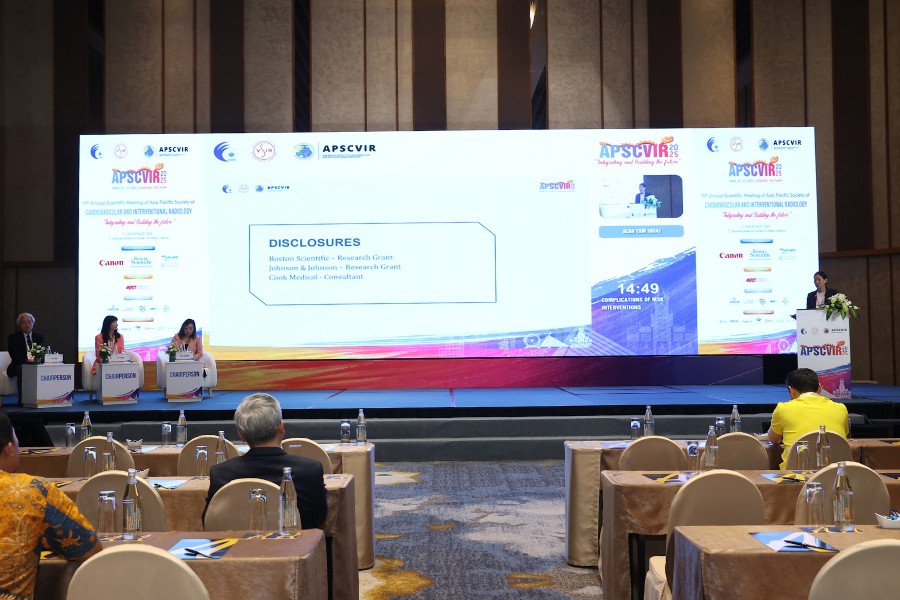
The best virtual event ideas are those that match your audience's interests and support a clear event objective. Whether you are planning an international conference, an online product launch, a corporate celebration, or a professional training program, thoughtful content and reliable execution are essential to creating a memorable experience.
At Event Crew, we understand that successful virtual events depend on the people working behind the scenes. Our approach brings together event planning, creative production, technical specialists, livestream coordination, and on-site event management to develop solutions that fit each project's requirements.
From preparing the event concept and coordinating speakers to managing technical production and live program operations, Event Crew focuses on creating well-organized experiences that connect businesses with their audiences.
Planning a virtual or hybrid event? Contact Event Crew to discuss event organization and production solutions tailored to your goals, audience, and budget.
—--------------------
EVENT CREW
WhatsApp/Zalo/Viber/Hotline: (+84)939 311 911 - (+84)913 311 911
https://eventcrew.asia/
info@hoabinh-group.com