

NEWS

Planning a customer conference can be challenging when a business needs to bring together customers, strengthen relationships, introduce new products, and deliver a professional event within a fixed budget.
This guide explains the main types of customer conferences and provides practical steps to help businesses plan an event that meets customer expectations and supports long-term business relationships.
A customer conference is a business event that brings a company and its customers together to share information, strengthen relationships, discuss products or services, and explore opportunities for future cooperation. Depending on its purpose, the conference may include business updates, product presentations, customer recognition, educational sessions, and networking activities.
Unlike an internal company meeting, a customer conference focuses on the interests and experiences of existing customers, strategic accounts, and sometimes prospective customers. The company hosts the event, but the program should offer clear benefits to the people attending.
Customer conferences can take place in hotel ballrooms, conference centers, company facilities, or online. Some businesses also combine an in-person conference with livestreaming to reach customers who cannot travel.
A successful customer conference should give attendees useful information, opportunities to connect with the business, and a clear understanding of how the relationship can develop after the event.
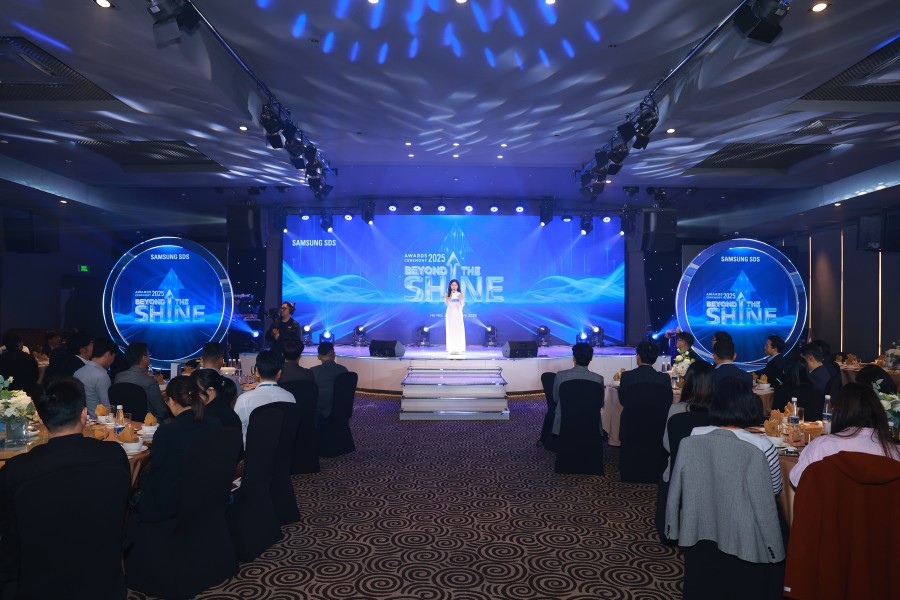
A customer conference requires time and financial investment, so businesses should understand what the event can achieve before committing resources.
Strengthen relationships with existing customers. Face-to-face conversations allow company leaders and account managers to build personal connections with customers. These interactions can help businesses better understand customer priorities, address concerns, and develop stronger working relationships.
Recognize customer loyalty and long-term partnerships. A customer conference creates an opportunity to thank customers for their continued support. Recognition activities, appreciation speeches, and carefully planned hospitality can make important customers feel valued.
Communicate business updates directly. Companies can use the event to introduce new services, explain product changes, share future plans, or communicate changes that affect customers. Live presentations also allow attendees to ask questions and receive direct answers.
Collect customer feedback. Panel discussions, feedback sessions, surveys, and individual meetings help businesses understand customer experiences. The information collected can support improvements in products, services, and customer support.
Encourage product adoption and customer education. Customers may not use all the features or services available to them. Demonstrations and practical training sessions can help them understand how to gain more value from their purchases.
Create opportunities for future business. A conference can bring together customers, account managers, and business partners to discuss additional needs or future projects. However, these conversations should develop naturally from customer interests rather than turn the entire event into a sales presentation.
The value of a customer conference depends on how well its objectives match customer expectations. An event designed to strengthen loyalty should not follow the same agenda as a technical user conference or a product launch.
Businesses can organize different types of customer conferences depending on their industry, customer relationships, and communication objectives. Choosing the right format helps determine the guest list, content, venue, and overall event experience.
An annual customer conference is a recurring event where a company meets its customers to review important developments, discuss future plans, and maintain business relationships.
These conferences often include a company performance overview, market updates, presentations from senior leaders, customer feedback sessions, and announcements about upcoming products or services.
The agenda should focus on information that directly affects customers. Instead of presenting only internal company achievements, organizers should explain how new strategies, investments, or service improvements will benefit attendees.
A customer appreciation conference focuses on recognizing customer loyalty, celebrating successful partnerships, and maintaining positive business relationships.
The program may include a welcome address from company leadership, a review of partnership milestones, customer recognition, entertainment, and a formal dinner.
The main challenge is balancing formal business content with hospitality. A long series of promotional presentations may reduce the sense of appreciation, while a program focused only on entertainment may miss opportunities for meaningful customer communication.
Organizers should give customers enough time to interact with company representatives and ensure that recognition activities are respectful and relevant.
A product and user conference brings customers together to explore a company's products, services, features, and future development plans.
This format is common among technology providers, equipment manufacturers, and businesses offering specialized products that require customer knowledge or technical support.
The agenda may include product demonstrations, new feature announcements, user experience discussions, practical workshops, and question-and-answer sessions with product specialists.
The event should give customers opportunities to see how products work in real situations. Live demonstrations, customer examples, and hands-on sessions are often more useful than presentations that simply list product features.
Organizers must also prepare technical support for demonstrations and have backup materials available if a live product demonstration fails.
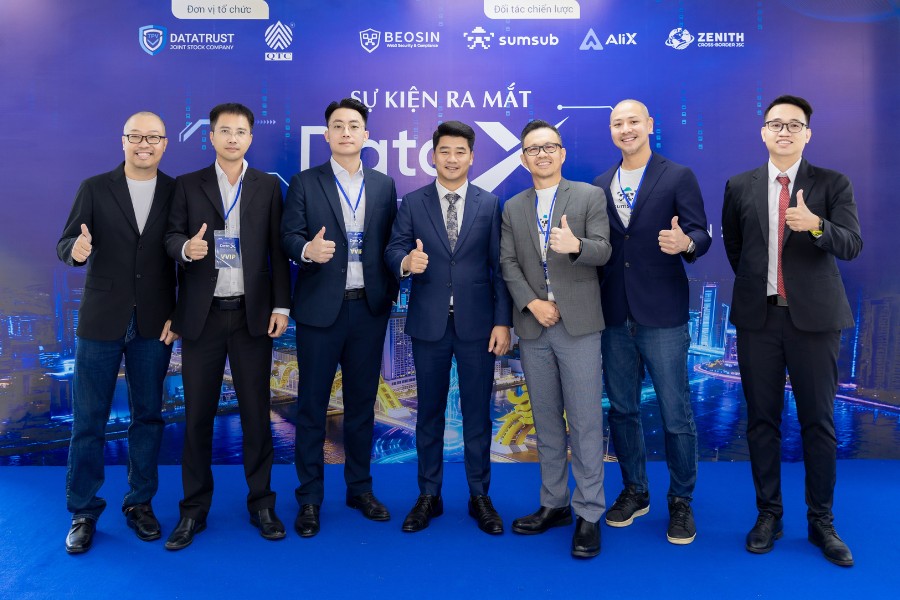
A customer education and training conference helps attendees improve their knowledge, develop practical skills, or use a company's products and services more effectively.
Unlike a product launch, this type of conference places greater emphasis on learning outcomes. Sessions may include expert presentations, practical demonstrations, workshops, case discussions, and guided exercises.
To make the event useful, organizers should identify the audience's knowledge level before developing the program. Experienced customers may need advanced sessions, while new users may benefit from introductory training.
The venue should also support the learning format. Workshops may require smaller rooms, demonstration areas, reliable internet access, or specialized equipment.
An industry and business networking conference connects customers with company representatives, industry specialists, and other businesses that share professional interests.
The event usually focuses on market trends, industry challenges, business opportunities, and professional relationships. It may include keynote presentations, panel discussions, roundtables, and structured networking sessions.
The program should address topics that matter to the customers' businesses rather than focus entirely on the host company's services.
Networking also needs structure. Organizers can arrange industry-specific discussion tables, scheduled meetings, or moderated group sessions to help customers connect with relevant participants.
The following steps provide a practical planning process for businesses organizing a customer conference.
The first step is to identify what the business wants to achieve and which customers should participate.
A company may want to improve customer retention, introduce a new service, strengthen relationships with strategic accounts, collect feedback, or encourage greater product adoption. Each objective requires a different program.
For instance, a customer appreciation conference should prioritize recognition, hospitality, and relationship-building. A product user conference should allocate more time to demonstrations, technical discussions, and practical learning.
Organizers should also segment the guest list instead of inviting every customer without considering relevance. Possible groups include long-term customers, high-value accounts, distributors, active product users, and customers with specific business interests.
For each group, identify the reason they would attend and the value they expect to receive.
|
Customer conference objective |
Target customers |
Suitable conference activities |
|
Strengthen customer loyalty |
Long-term customers and strategic accounts |
Appreciation speeches, customer recognition, leadership meetings |
|
Introduce new products or services |
Existing users and customers with relevant needs |
Product presentations, live demonstrations, Q&A sessions |
|
Improve product adoption |
Current customers and product users |
Training workshops, practical demonstrations, expert support |
|
Collect customer feedback |
Selected customers and user representatives |
Roundtable discussions, feedback sessions, surveys |
|
Develop business relationships |
Corporate clients, distributors, and partners |
Industry discussions, networking sessions, scheduled meetings |
The organizing team should establish measurable indicators that match the event's purpose. These may include attendance rates, customer satisfaction, participation in demonstrations, feedback responses, or the number of follow-up meetings requested.
A customer conference budget should reflect the expected guest experience and the activities needed to achieve the event's objectives.
The main cost categories typically include venue rental, catering, stage and audiovisual production, branding, invitations, registration, staffing, guest transportation, and accommodation when required.
Businesses should also consider expenses that are specific to their customer conference format. A VIP appreciation event may require additional hospitality arrangements, while a product user conference may need demonstration equipment and technical specialists.
A practical budget should distinguish between essential expenses and optional enhancements. For example, reliable audio, clear presentation screens, and comfortable seating are usually more important than elaborate decorative effects.
A formal customer appreciation conference may work well in a hotel ballroom with banquet facilities. A product and user conference may need a conference center with breakout rooms and demonstration spaces. An industry networking event could benefit from a venue with flexible meeting areas and comfortable networking zones.
When comparing venues, organizers should evaluate:
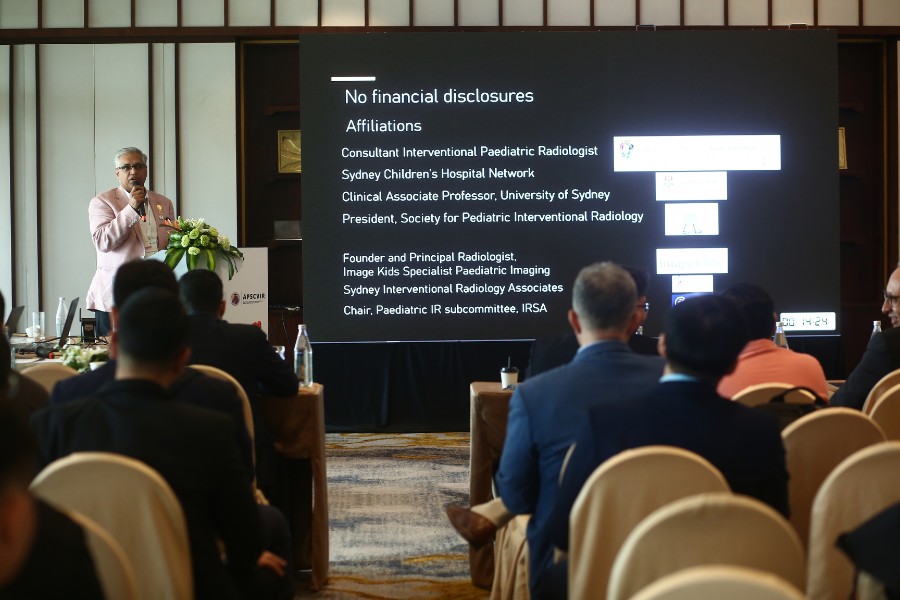
A customer conference agenda should provide value to attendees while supporting the host company's communication objectives.
The most common planning mistake is filling the program with company presentations without considering what customers want to learn or discuss.
A stronger agenda balances business updates, useful information, customer participation, and networking opportunities.
To maintain audience interest, speakers should avoid repeating the same messages. Each session needs a clear purpose and should contribute something different to the overall program.
Organizers should also reserve time for questions, discussion, and direct interaction. Customers are more likely to find the conference worthwhile when they can participate instead of listening throughout the entire event.
The speakers at a customer conference should be selected based on the information and experience customers need.
Once speakers are confirmed, the organizing team should communicate the conference objectives, audience profile, session topic, speaking duration, and presentation deadline.
Special attention should be given to customers who participate as speakers. They may require additional coordination to approve presentation content, business information, and the use of company names or logos.
For VIP customers and important partners, organizers should confirm attendance early and prepare suitable reception arrangements. This may include designated hosts, reserved seating, and opportunities to meet company leadership.
Every speaker and special guest should have a clear role in the program. Invitations should not be based only on seniority or reputation if the person's contribution does not match the conference objectives.
A generic invitation that only includes the conference date and location may not provide enough motivation to attend. The message should highlight the benefits, such as exclusive business updates, practical product information, networking opportunities, or customer recognition.
The invitation should clearly state the event name, date, time, venue, agenda highlights, registration instructions, and contact information.
For important customers, personal invitations from account managers or company leaders can support stronger engagement. Broader customer groups may be managed through email campaigns and online registration.
The registration system should collect only the information needed to organize the event, such as attendee name, company, contact details, and relevant participation requirements.
After registration, customers should receive a confirmation message with essential event information. Reminder communications can be sent closer to the conference date.
Technical production supports the professional delivery of a customer conference. It should make presentations easy to follow and help the organizing team maintain a smooth program.
The production plan may include stage design, LED screens, microphones, lighting, video playback, presentation control, photography, and livestreaming when required.
The organizing team should work with the production supplier to prepare a detailed event script that identifies speaker entrances, presentation changes, video cues, lighting adjustments, and other important transitions.
Logistics also extend beyond the stage. Registration counters, directional signage, product display areas, supplier loading access, and customer movement routes must be planned in advance.
Before the conference, the team should test essential equipment and rehearse critical program transitions. Backup presentation files, spare microphones, and appropriate contingency arrangements can reduce the impact of unexpected problems.
Hospitality plays an important role in a customer conference because the event reflects how the company values its customers.
Organizers should confirm dietary requirements, service timing, seating arrangements, and the number of expected guests before finalizing the catering order.
Networking activities should also have a clear purpose. Simply adding a long break to the agenda does not guarantee meaningful customer interaction.
Account managers should know which customers they are responsible for welcoming and supporting during the event.
Well-organized hospitality and networking can turn a formal conference into an opportunity for stronger customer relationships.
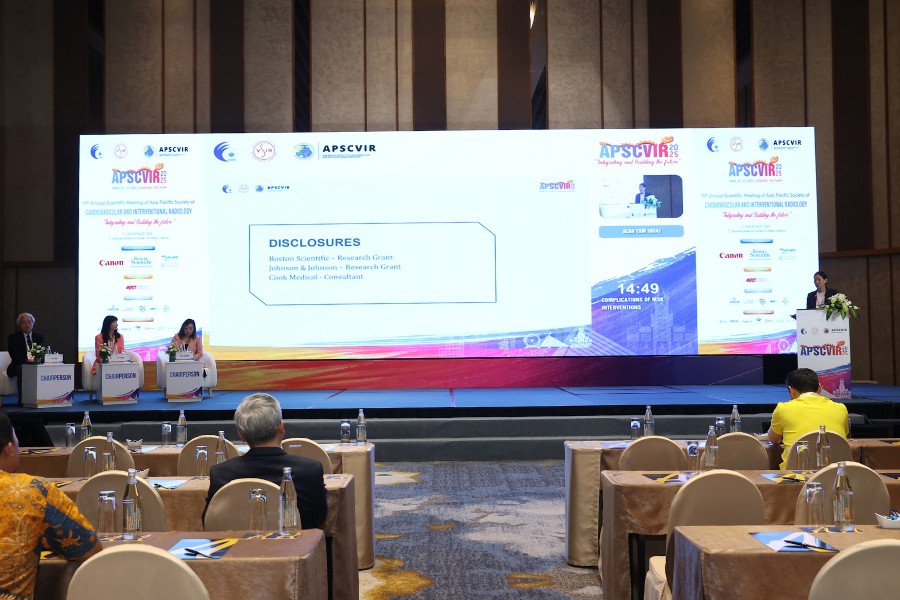
A customer conference involves multiple teams, including event organizers, account managers, registration staff, hospitality personnel, technical operators, and venue representatives.
Each team should understand its responsibilities before the event begins. The organizing team should prepare a contact list and establish a clear communication process for operational issues.
A final briefing should cover the event schedule, customer arrival procedures, VIP arrangements, speaker responsibilities, and contingency plans.
Technical rehearsals are particularly important for conferences that include product demonstrations, videos, panel discussions, or recognition activities. During the rehearsal, the team should test microphone handovers, presentation changes, video playback, speaker introductions, and stage transitions.
For conferences with important customer guests, organizers should also review the arrival and reception process. A delay at check-in or confusion about VIP seating can create a poor first impression before the main program starts.
Even when a business invests in a suitable venue and professional production, the conference may fall short if the program does not reflect customer expectations. The following mistakes are especially important to avoid.
1. Focusing too much on company achievements. Customers attend to gain useful information, build relationships, or receive recognition. A program dominated by company milestones and promotional messages may not provide enough value. Organizers should connect business updates to customer needs and reserve time for discussion.
2. Inviting customers without a clear audience strategy. Different customer groups have different interests. Strategic accounts may value leadership discussions, while active product users may prefer demonstrations and training. Segmenting the guest list helps businesses create more relevant content and hospitality arrangements.
3. Choosing a venue based only on appearance. An attractive ballroom may not support product demonstrations, networking sessions, or technical requirements. Venue selection should consider the actual conference format, guest movement, equipment needs, and customer comfort.
4. Creating an agenda with limited customer participation. Long presentations without breaks or opportunities for questions can reduce engagement. A customer conference should include suitable activities such as Q&A sessions, discussions, demonstrations, or networking.
5. Sending invitations too late. Corporate customers often have busy schedules and may need internal approval to attend. Invitations should be sent early enough for guests to plan their participation, with follow-up communications before the event.
6. Overlooking VIP and key account hospitality. Important customers may expect direct contact with company representatives and clear reception arrangements. The organizing team should coordinate with account managers to confirm guest preferences, seating, and meeting opportunities.
7. Failing to rehearse important program activities. Product demonstrations, speaker transitions, video presentations, and recognition segments can create delays if they are not tested. Rehearsals help the team identify technical and operational problems before customers arrive.
8. Ending the customer relationship process when the conference closes. A customer conference should lead to appropriate follow-up. Without thank-you messages, feedback collection, or account manager conversations, the company may miss opportunities to strengthen relationships and act on customer needs.
Avoiding these mistakes requires more than a detailed checklist. Businesses should review the event from the customer's perspective and ensure that every major decision supports the intended experience.
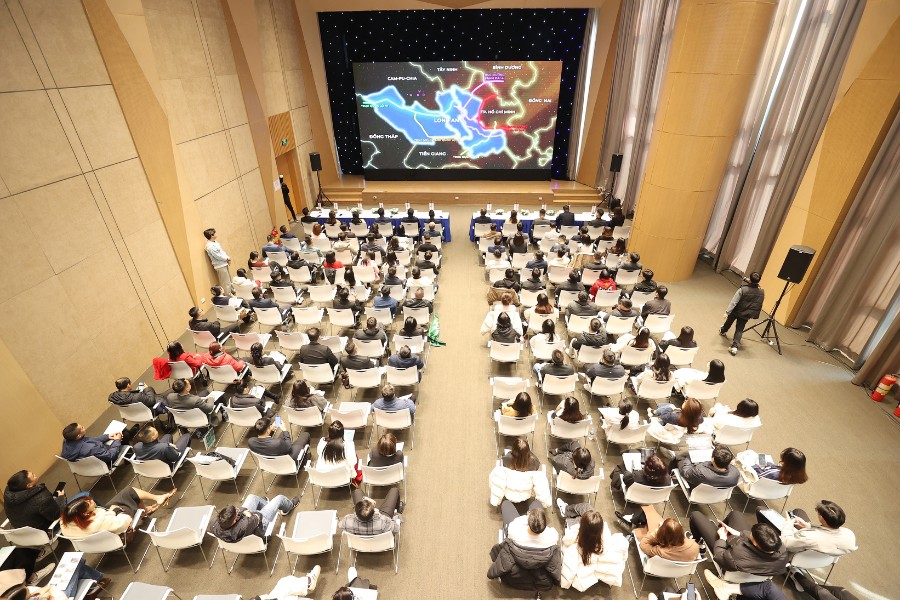
Organizing a customer conference in Vietnam requires coordination between business objectives, customer expectations, venue arrangements, technical production, and on-site operations.
For companies with customers across different cities or regions, the planning process may also involve transportation, accommodation, local supplier coordination, and arrangements for international guests.
Working with a professional event organizer can help businesses manage these responsibilities while allowing their internal teams to focus on customer relationships and conference content.
Event Crew provides customer conference organization services in Vietnam, supporting businesses with event planning and production requirements.
Depending on the conference's scope, the organization process may cover:
Planning a customer conference in Vietnam? Contact Event Crew to discuss an event organization solution tailored to your customers, conference objectives, and budget.
A successful customer conference should create value for both the business and its customers. It provides an opportunity to share relevant information, recognize important relationships, understand customer needs, and support future cooperation.
With a clear strategy, a practical event plan, and reliable execution, a customer conference can become an important part of a company's long-term customer relationship activities.
—----------------------------------
EVENT CREW
WhatsApp/Zalo/Viber/Hotline: (+84)939 311 911 - (+84)913 311 911
https://eventcrew.asia/
info@hoabinh-group.com