

NEWS

A professional event quotation solves these problems by presenting the event scope, required resources, itemized costs, and commercial terms in one document. This guide explains how to prepare an accurate event quotation step by step, with practical examples and a downloadable Excel template.
An event quotation is a document that outlines the services, estimated resources, prices, and commercial conditions proposed by an event organizer or supplier for a specific event.
It is usually prepared after the organizer receives the client's requirements and evaluates the work needed to deliver the event.
For example, a company planning a product launch may request a quotation for venue rental, stage design, audiovisual equipment, guest registration, and event management. The event organizer reviews these requirements, estimates the necessary resources, and presents a detailed proposal for the client to consider.
An event quotation helps both parties understand what is included in the proposed price. It also provides a reference for discussing changes before the services are confirmed.
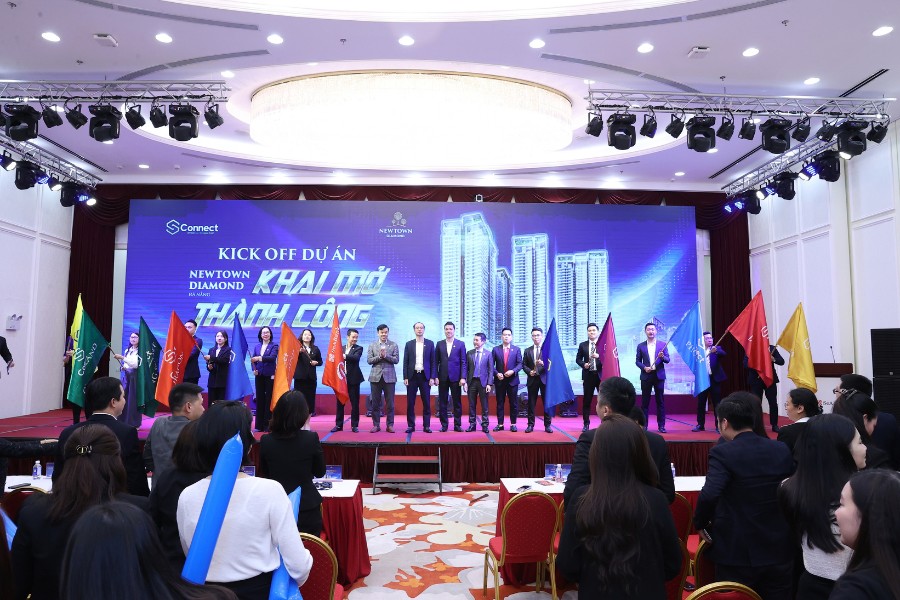
A professional event quotation should provide enough information for the client to understand the proposed services, evaluate the total cost, and make an informed decision.
The following elements are essential.
|
Quotation element |
Information to include |
Why it matters |
|
Quotation identification |
Quotation number, preparation date, version, and validity period |
Helps both parties identify the correct proposal |
|
Event organizer information |
Company name, contact details, and relevant business information |
Identifies the service provider |
|
Client information |
Client company, contact person, and contact details |
Confirms who receives the proposal |
|
Event overview |
Event name, type, date, venue, expected attendance, and duration |
Establishes the requirements used for pricing |
|
Scope of services |
Detailed descriptions of the services and deliverables |
Clarifies what the organizer will provide |
|
Itemized cost breakdown |
Service categories, quantities, units, unit prices, and line totals |
Makes the proposed price easier to review |
|
Total quotation value |
Subtotal, applicable taxes, and other clearly identified charges |
Shows the amount the client is expected to pay |
|
Inclusions and exclusions |
Services covered by the quotation and items not included |
Reduces misunderstandings about responsibilities |
|
Payment terms |
Deposit requirements, payment milestones, and accepted payment methods |
Establishes financial expectations |
|
Change and cancellation conditions |
Procedures for changes, additional services, postponement, or cancellation |
Helps manage financial and operational risks |
|
Approval information |
Acceptance instructions and authorized contact details |
Explains how the client can confirm the proposal |
A reliable event quotation begins with a clear understanding of the client's event and ends with a proposal that can be reviewed, approved, and updated without confusion.
Before calculating costs, the organizer must understand what the client wants to achieve and what resources the event will require.
The organizer should collect the following information:
A discovery meeting or structured briefing form can help collect these details.
Once the requirements are clear, the organizer should define exactly which services will be included in the quotation.
The scope of work connects the client's expectations with the resources required to deliver the event. It also helps prevent additional requests from being treated as part of the original price.
A typical full-service event quotation may include:
Not every event requires all these services. The organizer should select only the items relevant to the client's brief.
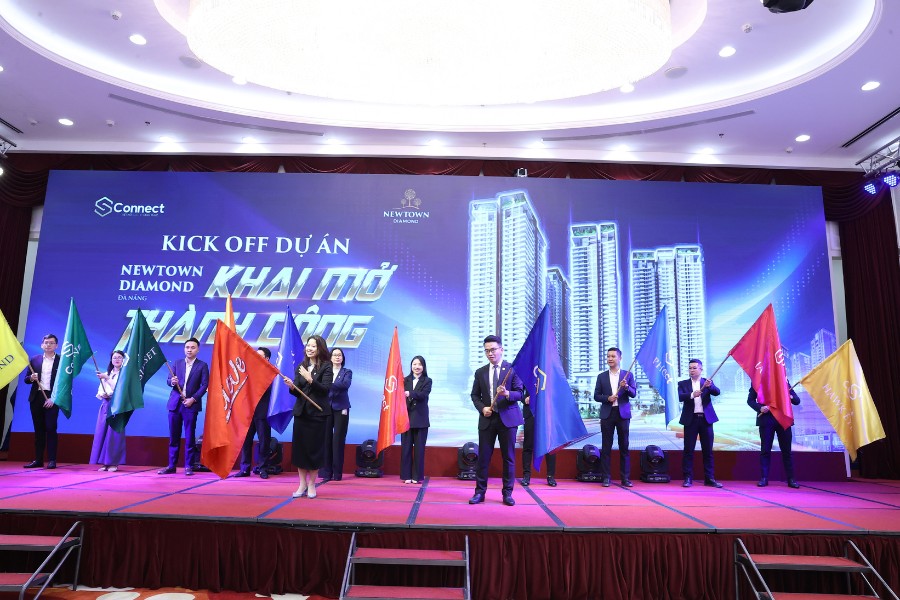
After defining the scope, the organizer should calculate the resources needed to deliver each service.
This process involves estimating quantities, checking supplier prices, and determining the labor and equipment required for the event.
Event costs commonly fall into several categories.
For each item, the organizer should calculate the underlying cost before determining the client-facing price.
A basic calculation is:
Base service cost = Quantity × Unit cost
The organizer may then account for project management, overhead, operational risk, and the intended commercial margin when establishing the quoted price.
The cost breakdown is one of the most important sections of an event quotation because it shows how the total price is constructed.
A professional breakdown should group related services and use consistent units, quantities, and pricing.
For example, a corporate conference quotation may contain the following categories:
|
Service category |
Example quotation items |
Recommended pricing unit |
|
Venue |
Main conference hall, breakout rooms |
Per day or session |
|
Stage production |
Stage platform, backdrop, installation |
Per package |
|
Audio and lighting |
Microphones, speakers, lighting equipment |
Per item or package |
|
Visual production |
LED screen, projection, video playback |
Per package or rental period |
|
Event operations |
Event manager, registration staff, technical crew |
Per person-day |
|
Catering |
Coffee breaks, lunch, refreshments |
Per guest |
|
Media production |
Photography, video recording, highlight video |
Per service |
|
Logistics |
Equipment transportation, local transfers |
Per trip or vehicle |
Each line should show the service description, unit, quantity, unit price, and total amount.
Line total = Quantity × Quoted unit price
The quotation subtotal is the sum of all line totals. Any applicable taxes, agreed contingency charges, or additional fees should be shown separately so the client understands the final amount.
An event quotation should clearly explain when payment is required and how long the proposed prices remain valid.
Event organizers often need to reserve venues, equipment, and suppliers before the event takes place. Payment terms should therefore reflect the financial commitments and production schedule involved.
Depending on the agreement, the payment structure may include an initial deposit, an additional payment before the event, and a final balance after completion.
For illustration, a quotation might propose a 50% deposit upon confirmation and the remaining 50% before the event. This is only an example; the actual schedule should be agreed with the client and aligned with supplier commitments.
The quotation should also specify:
A validity period is particularly important when venue availability, equipment rental rates, or supplier prices may change.
The client should understand that receiving a quotation does not necessarily reserve the venue or equipment.
Commercial terms must be reviewed against the actual contract and applicable legal requirements before the quotation is issued.
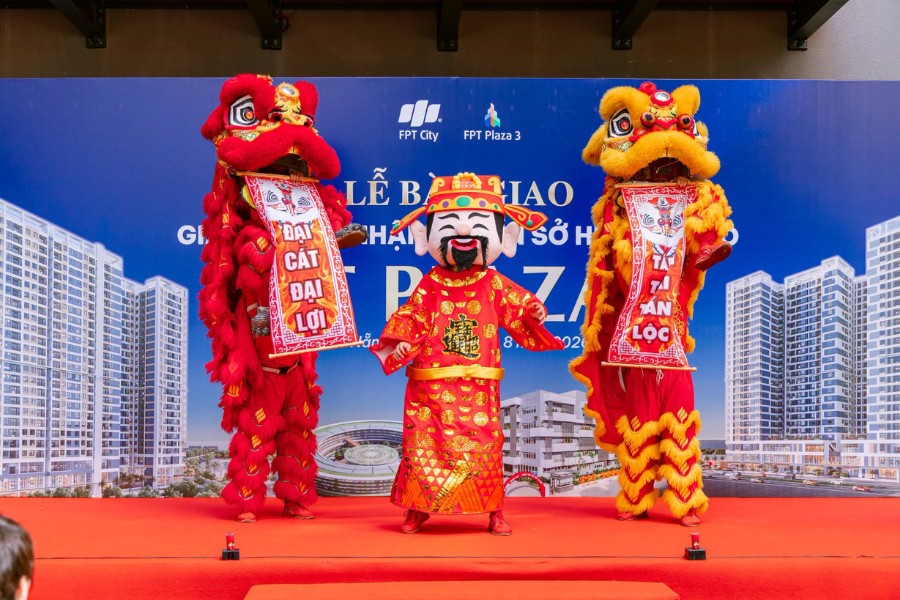
Before sending the quotation, the organizer should verify both its financial accuracy and its operational feasibility.
A low price is not useful if the proposed services cannot be delivered as described. Similarly, a detailed quotation can still create problems when quantities, technical specifications, or payment conditions are inconsistent.
The final review should cover several areas.
Cost accuracy: Check calculations, quantities, unit prices, subtotals, taxes, and the final amount. Spreadsheet formulas can reduce manual errors, but the results still require review.
Scope consistency: Confirm that every service matches the client's approved brief. Check whether optional items are clearly separated from the main proposal.
Supplier confirmation: Verify important prices, availability, delivery periods, and operational requirements with the relevant suppliers.
Technical feasibility: Review whether the proposed equipment, staffing, venue access, and installation schedule are realistic.
Commercial clarity: Ensure that inclusions, exclusions, payment terms, and quotation validity are easy to understand.
Document presentation: Use consistent terminology, clear headings, readable tables, and the correct client and event information.
For complex events, a second review by the project manager or production team can help identify missing resources before the proposal is sent.
The final quotation should also have a clear version number or issue date. This becomes important when the client requests several revisions.
Practical example: A client requests an additional LED screen after reviewing the first proposal. Instead of editing the original document without explanation, the organizer issues a revised quotation showing the updated equipment scope, additional cost, and new total.
Once the quotation is finalized, it should be delivered with a clear explanation of the proposed solution.
Sending only a price table may leave the client uncertain about the value of the services or the next steps.
A professional quotation email should briefly confirm the event requirements, summarize the proposed scope, identify any important assumptions, and explain how the client can request changes or approve the proposal.
For complex events, the organizer may also arrange a meeting to present the quotation and discuss technical or operational details.
After sending the proposal, the organizer should follow up within a reasonable period based on the client's decision timeline.
The follow-up should focus on useful questions:
If the client requests a lower price, the organizer should review the scope and identify suitable adjustments rather than reduce costs without considering delivery requirements.
Once the client accepts the proposal, the organizer should confirm the agreed scope, contractual arrangements, payment requirements, and next steps in writing.
This helps create a clear transition from quotation preparation to event production.
An event quotation template helps organizers prepare consistent, accurate proposals without rebuilding cost tables for every client. A practical Excel template should include event information, service descriptions, quantities, unit prices, calculated totals, applicable taxes, payment conditions, and space for important notes.
Download the Event Quotation Excel Template
Beyond accurate calculations, several practical details can make an event quotation easier to understand and more useful for clients.
Avoid vague descriptions such as “event equipment” or “event support.” Clients should understand what they are paying for.
For example, instead of listing “LED screen package,” specify the proposed screen dimensions, installation requirements, operating period, and technical support included, where these details have been confirmed.
Specific descriptions reduce misunderstandings and help suppliers prepare for delivery.
Different events require different investments.
A product launch may prioritize visual production and product presentation. An international conference may require interpretation, multiple meeting rooms, and delegate management. An award ceremony may place greater emphasis on stage design, lighting, and recognition activities.
The quotation should reflect these priorities instead of using the same standard package for every event.
Clients often need to adjust their event plans to fit a specific budget.
Separating essential services from optional enhancements makes the quotation more flexible.
For example, a corporate conference may require a sound system, presentation screen, and event coordination, while livestreaming or an additional highlight video may be optional.
This approach allows the client to make informed decisions without removing services that are necessary for successful delivery.
A quotation should not leave important conditions open to interpretation.
If the price assumes a specific guest count, venue access period, or equipment configuration, these details should be stated clearly.
The same applies to exclusions such as overtime, additional venue charges, extra transportation, or services that the client must arrange separately.
Clear assumptions make it easier to manage changes and avoid unexpected charges.
A standardized template improves document quality and reduces preparation time.
It also helps the organizer maintain consistent service categories, calculation methods, and commercial terms across different projects.
For companies preparing multiple quotations, a standard format can support internal approval, supplier coordination, and financial tracking.
However, the content should still be customized for each event.
Offering an unusually low price may attract attention, but it can create delivery problems if essential resources have been excluded.
Organizers should calculate costs based on the actual event requirements and confirm important supplier rates before issuing a proposal.
If the client's budget is limited, the better approach is to recommend a realistic alternative scope and explain the trade-offs.
A professional quotation should support both the client's financial expectations and the organizer's ability to deliver the agreed services.
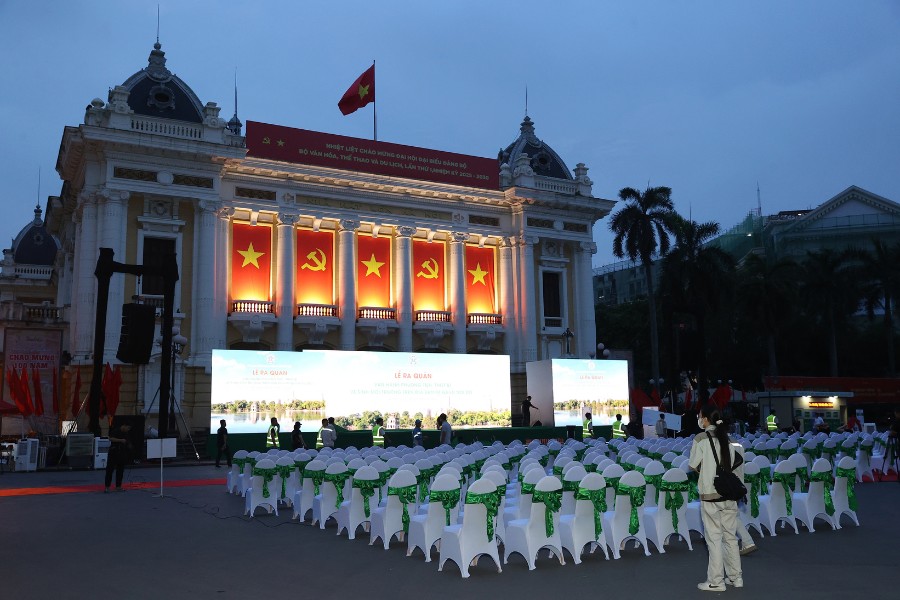
The final proposal should clearly show the total price, scope of services, validity period, payment terms, and approval process.
Avoid unnecessary technical language or lengthy explanations that make the main information difficult to find.
For larger events, a short summary of the proposed solution before the detailed pricing table can help decision-makers understand the quotation more quickly.
The document should answer three essential questions: What will be delivered? How much will it cost? What happens after approval?
A professional event quotation is more than a list of prices. It connects the client's event requirements with a realistic scope of work, clearly defined resources, and transparent commercial conditions.
By understanding the event brief, calculating service costs carefully, preparing an itemized breakdown, and reviewing the proposal before submission, event organizers can reduce misunderstandings and help clients make confident decisions.
For businesses planning an event in Vietnam, Event Crew can support the planning process, from reviewing event requirements and developing suitable solutions to coordinating production resources and event operations.
Planning an upcoming event? Contact Event Crew to discuss your requirements and request an event quotation tailored to your objectives, scope, and budget.
-----------------------------------------
EVENT CREW
WhatsApp/Zalo/Viber/Hotline: (+84)939 311 911 - (+84)913 311 911
https://eventcrew.asia/
info@hoabinh-group.com