

NEWS

A conference planning checklist helps organizers structure these responsibilities, assign clear deadlines, and monitor progress throughout the event preparation process.
Whether you are organizing a corporate conference, industry convention, or international business conference, this guide provides a detailed checklist and step-by-step planning timeline to help you prepare, execute, and evaluate your event effectively.
A conference planning checklist is a structured planning tool that outlines the tasks, resources, responsibilities, and deadlines required to organize a conference successfully. It serves as a central reference for the organizing team, helping different departments coordinate their work and ensuring that critical preparations are not overlooked.
Unlike a basic task list, a comprehensive conference planning checklist covers the entire event lifecycle, including strategic planning, operational preparation, live event execution, and post-conference evaluation.
The specific requirements vary depending on the conference's size, format, and objectives. However, most professional conferences require planning across the following essential categories.
|
Planning area |
Detailed conference planning checklist |
|
1. Conference objectives and strategy |
Define the conference purpose, target audience, expected attendance, event format, key messages, desired outcomes, and measurable success indicators. Establish the overall scope and approval process. |
|
2. Budget and financial planning |
Estimate venue rental, catering, audiovisual production, stage construction, branding, marketing, staffing, speaker expenses, transportation, and accommodation. Allocate contingency funds, define payment schedules, and establish expense approval procedures. |
|
3. Venue selection and facilities |
Identify suitable locations, compare venue capacity and accessibility, conduct site inspections, review room layouts, check technical infrastructure, confirm setup and dismantling periods, and negotiate contracts. |
|
4. Conference agenda and program |
Develop the conference theme, select session topics, establish the program structure, allocate time for presentations and discussions, schedule breaks, and prepare a detailed agenda. |
|
5. Speakers and moderators |
Identify and invite speakers, confirm participation, collect biographies and presentation materials, communicate session requirements, coordinate travel arrangements, and schedule briefings or rehearsals. |
|
6. Registration and attendee management |
Establish registration procedures, create invitation lists, manage confirmations, track attendance, collect special requirements, prepare badges, and organize on-site check-in. |
|
7. Technical and audiovisual production |
Plan the stage, sound system, microphones, lighting, LED screens, projection equipment, video recording, livestreaming, interpretation systems, internet connectivity, and technical backup arrangements. |
|
8. Branding and event communications |
Develop event branding, create a conference website or registration page, prepare promotional materials, manage email communications, produce signage, and coordinate media coverage. |
|
9. Sponsorship and partnerships |
Identify potential sponsors, prepare sponsorship packages, negotiate agreements, confirm branding benefits, coordinate sponsor participation, and track contractual deliverables. |
|
10. Catering and hospitality |
Plan refreshments, meals, and networking receptions; confirm menus and dietary requirements; arrange VIP hospitality; and coordinate catering schedules with the conference agenda. |
|
11. Transportation and accommodation |
Arrange speaker and VIP accommodation, coordinate airport transfers, plan shuttle services when needed, provide transportation instructions, and confirm arrival schedules. |
|
12. Staffing and event operations |
Establish the organizing committee, assign responsibilities, recruit operational staff, prepare contact lists, organize team briefings, and develop internal communication procedures. |
|
13. Safety, compliance, and risk management |
Review applicable permits, venue safety requirements, emergency procedures, insurance, accessibility, data protection, and contingency plans for technical or operational disruptions. |
|
14. Conference-day management |
Supervise venue setup, coordinate suppliers, manage registration, monitor session timing, support speakers, oversee technical operations, and resolve unexpected issues. |
|
15. Post-conference activities |
Send thank-you messages, distribute event materials, collect feedback, evaluate attendance and engagement, reconcile expenses, prepare reports, and document lessons learned. |
Each category should be broken down into individual tasks with a designated owner, deadline, priority level, and completion status. For example, instead of listing “technical preparation” as a single task, organizers should separately track microphone testing, LED screen installation, livestream configuration, presentation checks, and technical rehearsals.
The following conference planning checklist outlines the essential activities at each stage, from 12 months before the event to post-conference follow-up.
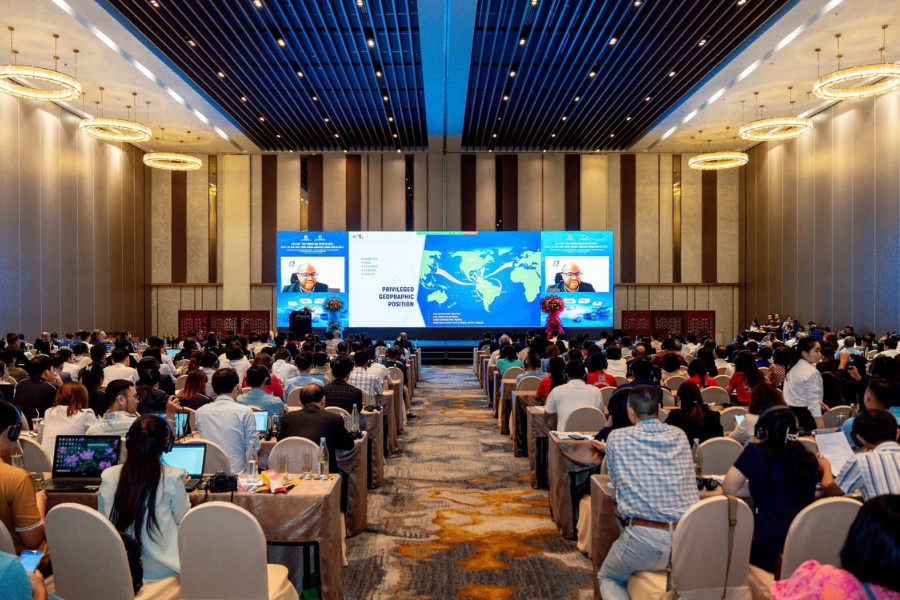
The first stage focuses on defining the conference's direction and securing the resources needed for successful organization. Major decisions about the event's objectives, budget, date, and venue should be made during this period.
Conference strategy and objectives
Budget and venue planning
Program and partnership planning
By the end of this stage, organizers should have a clear event concept, preliminary budget, proposed dates, and a shortlist of suitable venues.
Once the conference's foundation has been established, the organizing team should begin confirming essential suppliers, developing the program, and preparing attendee communications.
Venue and production arrangements
Conference program and speakers
Marketing and registration
At this stage, the main venue, essential suppliers, registration system, and preliminary conference program should be in place.
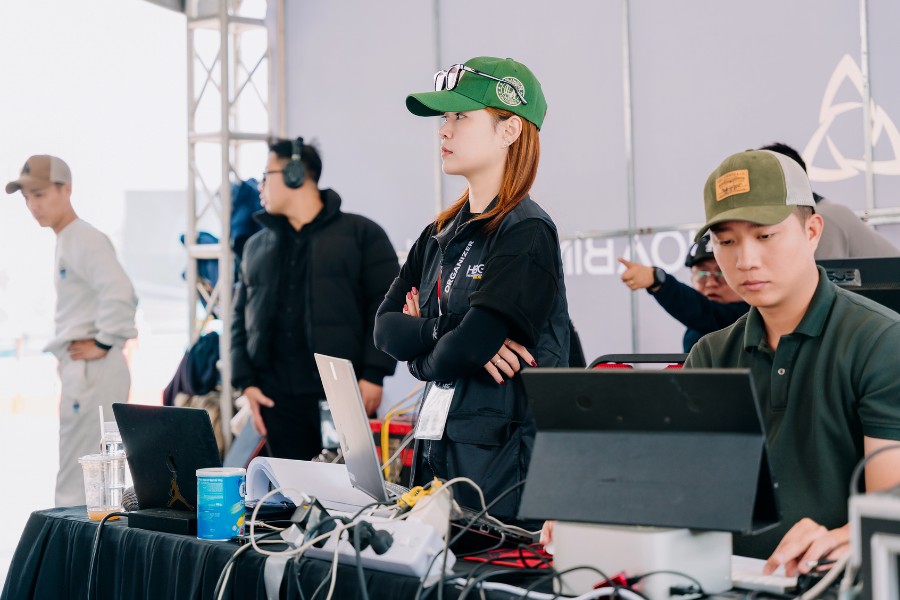
This stage focuses on operational planning and detailed coordination. Organizers should translate the approved conference concept into specific arrangements for attendees, speakers, suppliers, and production teams.
Attendee and speaker coordination
Program and technical production
Operations and logistics
By the end of this period, the conference program and production design should be largely finalized, with most suppliers and operational arrangements confirmed.
As the conference approaches, organizers should focus on verifying arrangements, completing event materials, and identifying unresolved issues before they become last-minute problems.
Final confirmations
Technical and operational checks
Team coordination
The main objective is to ensure that every supplier and team understands the final requirements and that any remaining issues are resolved before the event week.
The final week should be dedicated to verification, rehearsals, and operational readiness. Major changes to the program or production concept should be avoided unless necessary.
Program readiness
Technical rehearsals
Final operational preparation
A successful final preparation stage ensures that the organizing team understands its responsibilities and is ready to execute the approved program.
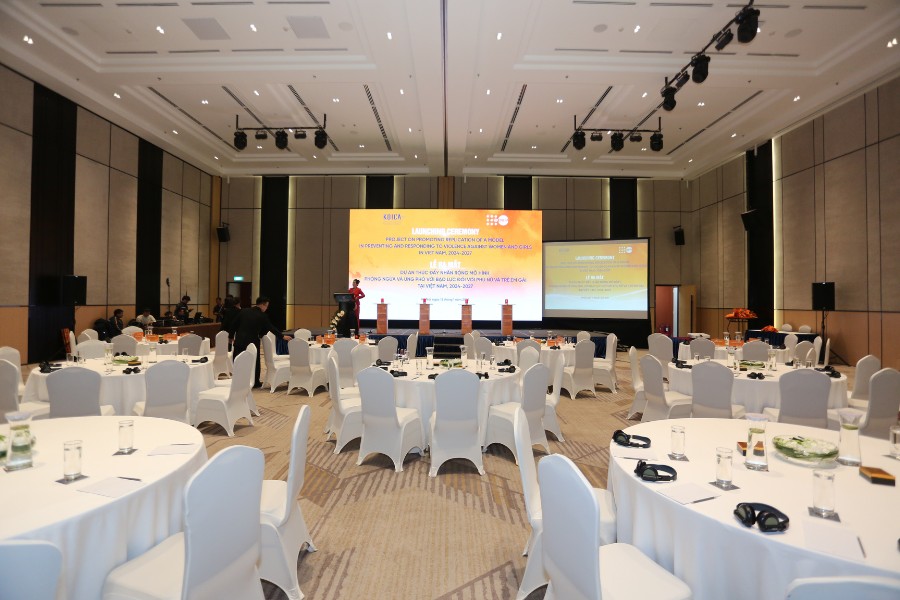
Conference-day operations require continuous coordination between the venue, organizing team, speakers, suppliers, and attendees. The priority is to maintain the program schedule while ensuring a safe and professional experience.
Before the conference begins
During the conference
After the closing session
Effective conference-day management depends on clear communication, defined responsibilities, and the ability to respond quickly without disrupting the attendee experience.
Post-conference activities help organizers evaluate the event's performance, complete contractual commitments, and identify improvements for future programs.
Attendee and stakeholder follow-up
Performance evaluation
Financial and operational closure
Completing these activities ensures that the conference delivers value beyond the event itself and provides useful information for future planning.
Managing dozens of conference tasks across different teams can be challenging without a centralized tracking system. A conference planning checklist template helps organizers organize responsibilities, monitor deadlines, and update progress in one place.
Even a well-designed conference can encounter problems when important decisions are delayed or essential details are overlooked. Understanding common planning mistakes helps organizers reduce operational risks and improve the overall event experience.
One of the most common mistakes is beginning conference preparations without defining the event's purpose and expected outcomes. This can result in an unfocused agenda, unsuitable speakers, and activities that do not meet attendees' needs.
Organizers should establish specific objectives before selecting the venue or developing the program. These objectives should guide decisions about the target audience, session topics, event format, and performance indicators.
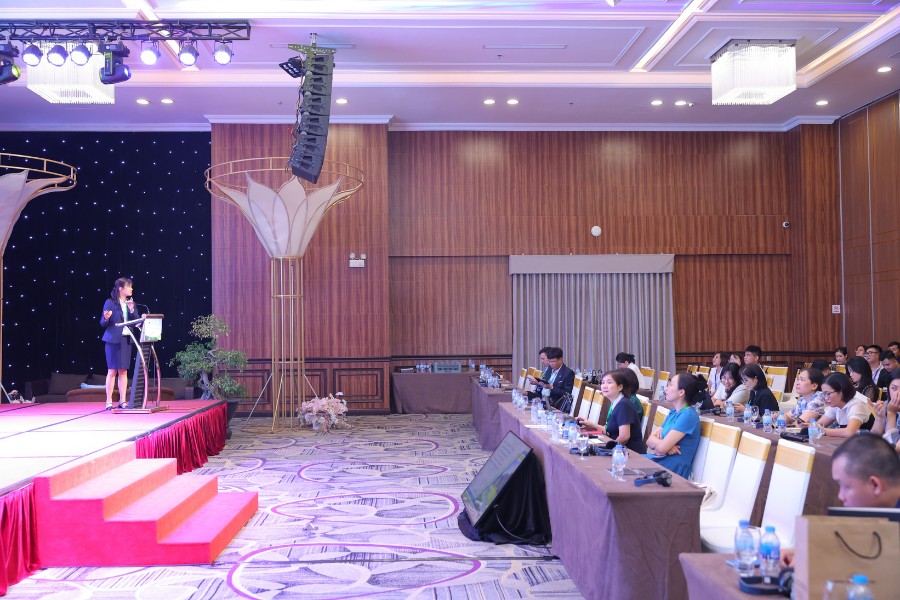
A preliminary budget that includes only venue rental and catering can overlook significant expenses such as audiovisual production, stage construction, interpretation, staffing, transportation, and contingency arrangements.
To avoid unexpected costs, organizers should prepare a comprehensive budget, request detailed supplier quotations, and track estimated expenses against confirmed commitments. A contingency allowance is also important for handling reasonable changes during preparation.
A conference venue may appear suitable based on its location and seating capacity but lack the technical infrastructure needed for the planned program.
Before signing a contract, organizers should verify stage dimensions, ceiling height, electrical capacity, internet connectivity, equipment access, and available technical support. A site inspection involving the production team helps identify limitations before they become expensive problems.
Late speaker confirmations and presentation submissions can affect agenda development, promotional activities, and technical rehearsals.
Organizers should establish clear deadlines for speaker materials, provide detailed briefing information, and confirm participation well before the event. Any changes to the program should be communicated promptly to the relevant teams.
When tasks are shared informally without a designated owner, important activities can be delayed or overlooked.
Each checklist item should have one person accountable for its completion, even when several departments are involved. Regular progress reviews help identify dependencies and ensure that unresolved issues are escalated in time.
Technical problems involving microphones, presentations, screens, or internet connectivity can interrupt the conference and affect audience experience.
Organizers should schedule sufficient time for equipment testing and full program rehearsals. Critical components should also have appropriate backup arrangements, with clear procedures for handling technical failures or last-minute changes.
A conference may have strong speakers and professional production but still disappoint participants if registration is confusing, signage is unclear, or the schedule does not allow sufficient breaks.
Organizers should evaluate the entire attendee journey, from receiving an invitation and arriving at the venue to attending sessions, accessing refreshments, and leaving the event. Accessibility, comfort, and clear communication should be incorporated into the planning process.
Failing to evaluate the conference after completion makes it difficult to measure success and improve future events.
Organizers should collect attendee feedback, review attendance and engagement data, compare actual expenses with the budget, and assess operational performance. These findings should be documented in a post-conference report and used to refine future planning processes.
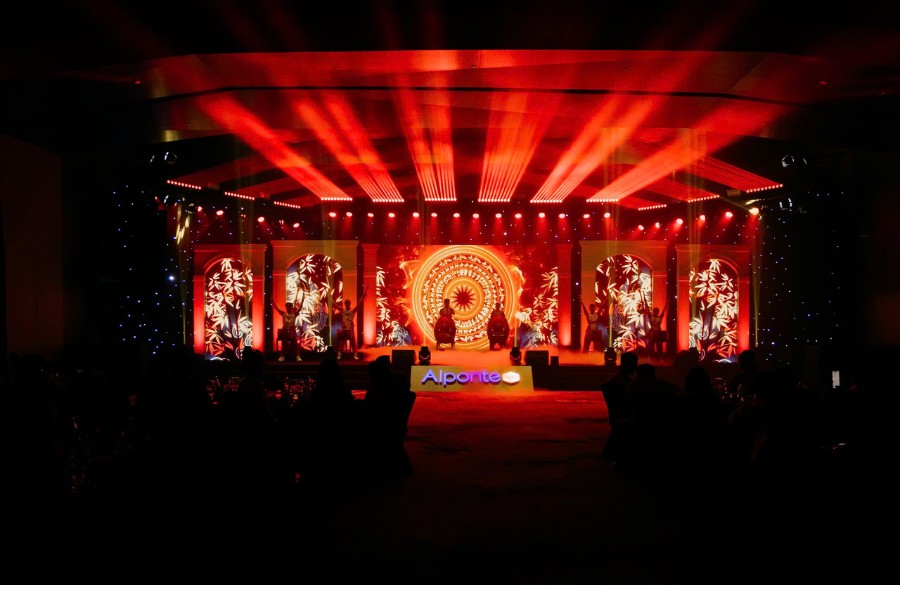
A successful conference is the result of careful preparation, coordinated execution, and continuous progress monitoring. A comprehensive conference planning checklist helps organizers manage responsibilities across every stage, from defining objectives and securing suppliers to overseeing conference-day operations and evaluating results.
By following a structured timeline and maintaining clear accountability for each task, businesses can reduce planning risks, improve coordination, and deliver a more professional experience for attendees.
For companies and organizations seeking professional support, Event Crew provides conference organization solutions covering event concept development, venue and supplier coordination, technical production, and on-site operations. Our approach focuses on aligning each stage of preparation with the conference's objectives and practical requirements.
Planning a corporate or international conference? Contact Event Crew to discuss a conference organization solution tailored to your event's scale, audience, and budget.
—-----------------------------------
EVENT CREW
WhatsApp/Zalo/Viber/Hotline: (+84)939 311 911 - (+84)913 311 911
https://eventcrew.asia/
info@hoabinh-group.com